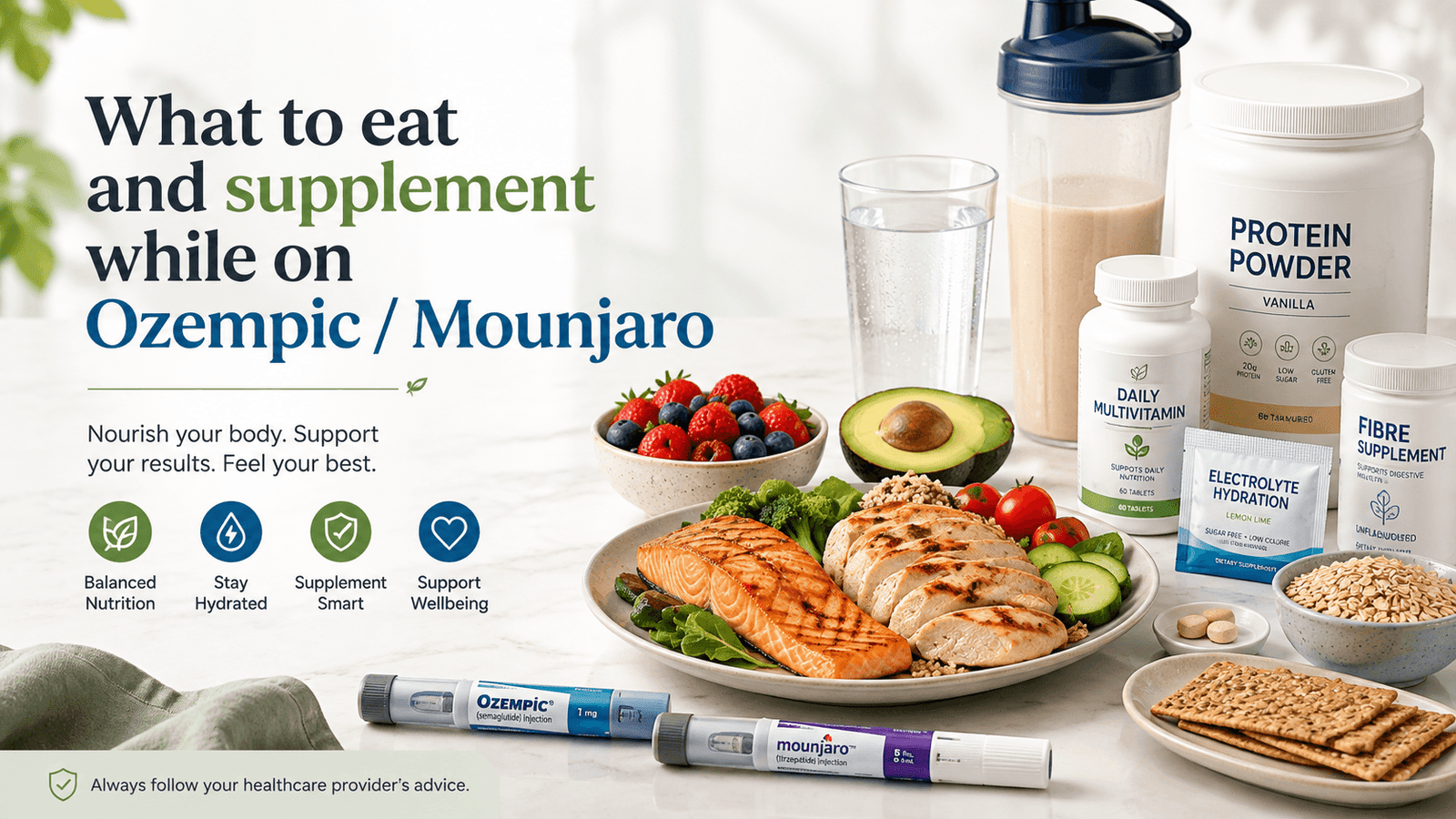
Ozempic and Mounjaro make food feel like an afterthought. Your appetite drops, portions shrink and the weight starts to move. That is exactly what these medicines are designed to do. The catch is that when you eat a lot less, what you do eat matters far more. Get it right and you protect your muscle, energy and hair while the fat comes off. Get it wrong and you can lose muscle, feel wiped out and run short on key nutrients.
This guide is written by our pharmacy team and built on the 2025 joint advisory from four leading obesity and nutrition bodies, alongside current clinical guidance. It covers the one number that matters most, what to put on your plate, how to handle nausea and constipation, and the supplements worth keeping in the cupboard.
Protein is the priority, not an afterthought
When you lose weight quickly, some of that loss comes from muscle rather than fat. On semaglutide and tirzepatide this is a genuine concern, which is why every recent guideline puts protein first. The 2025 joint advisory recommends 1.2 to 1.6 grams of protein per kilogram of body weight each day while you are losing weight, paired with some resistance or strength training so your body holds on to muscle.
Because your appetite is smaller, you usually have to be deliberate about protein rather than waiting to feel hungry. Build each meal around a protein source first, then add vegetables and a little wholegrain carbohydrate.
Your daily protein target
The 2025 joint medical advisory recommends 1.2 to 1.6 grams of protein per kilogram of body weight while you are losing weight on a GLP-1. Enter your weight to see your range.
A general guide, not a replacement for advice from your GP, pharmacist or dietitian.
How much of the weight is fat, and how much is muscle?
Not all weight loss is equal. In the big clinical trials, a real share of the weight came from lean tissue, not just fat. That is the whole reason protein matters so much.
In the STEP 1 analysis, fat mass fell 19.3% and lean mass 9.7%. In SURMOUNT-1, roughly three quarters of the loss was fat and a quarter was lean. Here is the good news, these trials did not use a structured protein and training plan. Current guidance is clear that hitting your protein target and adding some strength work meaningfully protects muscle.
Build your protein plate
Tap what you are eating today and watch the protein add up. A good aim is to get a solid share of your daily target at every meal.
Build a protein first plate
Reliable everyday choices include chicken, turkey, fish, eggs, Greek yoghurt, tofu, beans, lentils and lower fat dairy. If solid food feels like too much, a protein shake or a milk based drink counts too, and liquids are often easier to get down than a full plate.
Around that protein, fill up on vegetables, fruit and wholegrains for fibre and micronutrients. Keep portions modest and eat slowly, because these medicines slow how quickly your stomach empties.
What is bothering you most right now?
Tap a symptom for quick pharmacist tips, then read the fuller section below.
Settling nausea
Nausea is the most common side effect, and it is usually worst in the first week or two and just after a dose increase. For most people it eases as the body settles. In the meantime, small changes to how and what you eat make a real difference, and there are a few things from the pharmacy that genuinely help.
Do
- Eat small amounts often, roughly every three to four hours
- Choose dry, plain foods like toast, crackers and plain rice
- Try cool foods such as yoghurt, smooth soups and jelly
- Sip ginger tea or suck a ginger sweet or lozenge
- Eat slowly and stop as soon as you feel full
- Stay upright for a while after eating, and take a short walk
Try to avoid
- Greasy, fried and very high fat meals, the biggest trigger
- Large portions in one sitting
- Strong smelling or very spicy foods
- Lying down straight after eating
- Skipping fluids, since dehydration makes it worse
What can help from the pharmacy
Pop in and our pharmacist can talk you through simple, suitable options at the counter. Depending on how the nausea feels, that might include:
- Rehydration sachets or tablets if you have been sick, to replace lost fluids and salts.
- An antacid if it feels more like heartburn or reflux than sickness.
- Ginger as tea, chews or lozenges, a gentle and well liked settler.
- Acupressure travel bands, a simple drug free option some people find useful.
- If nausea is persistent, ask us about a suitable anti sickness remedy. We can check it sits safely with your treatment before you buy.
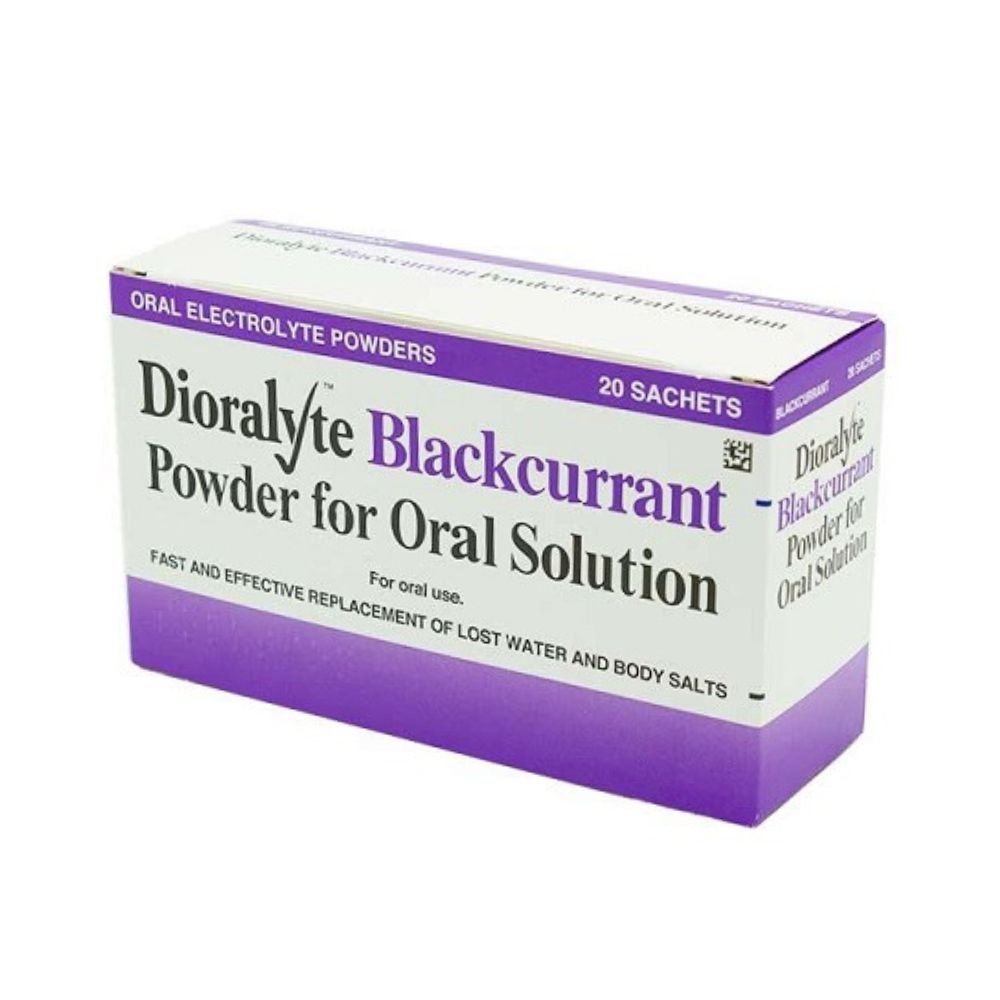 Dioralyte Blackcurrant Sachets, 20s€11.49View product
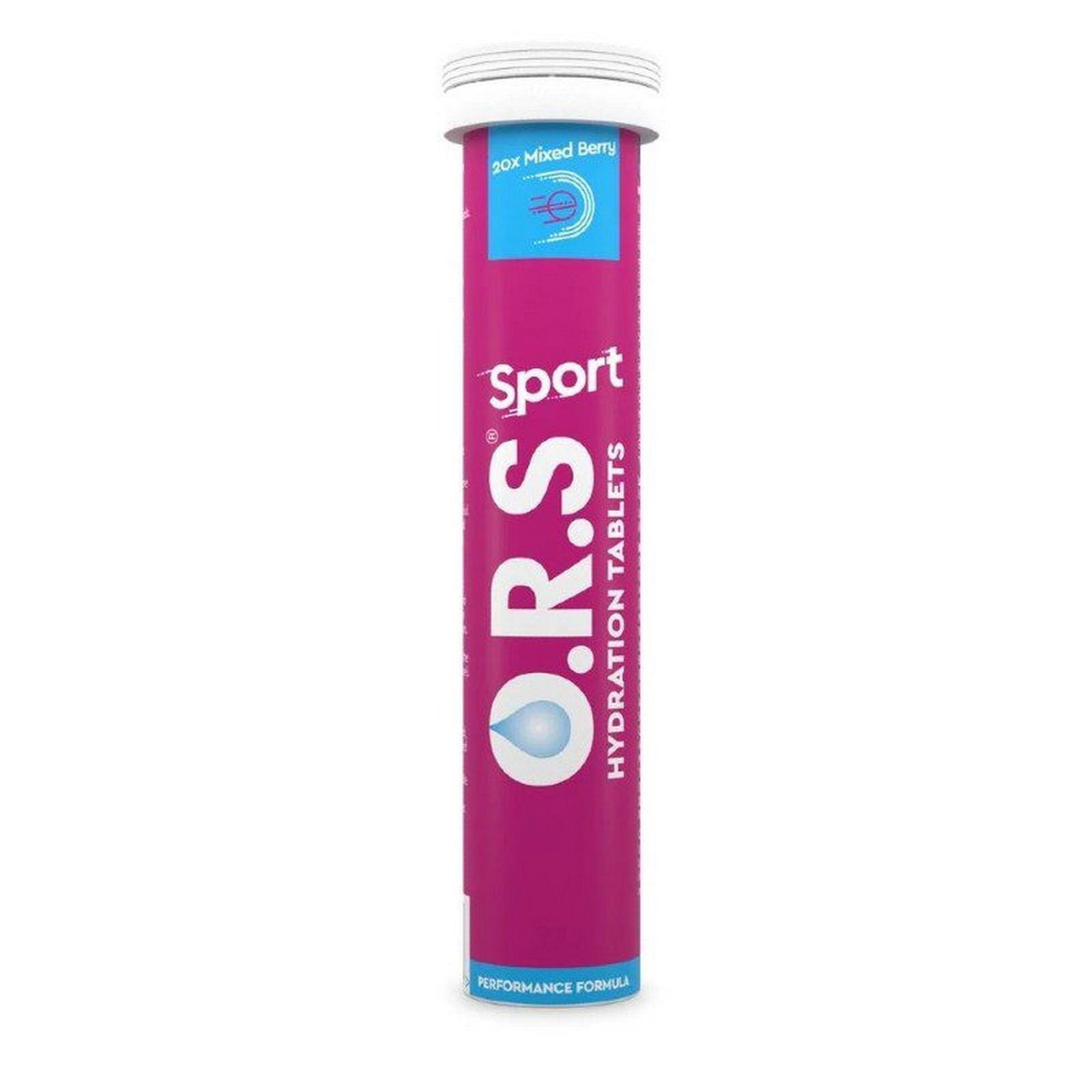 O.R.S Rehydration Tablets Mixed Berry 20S€9.95View product
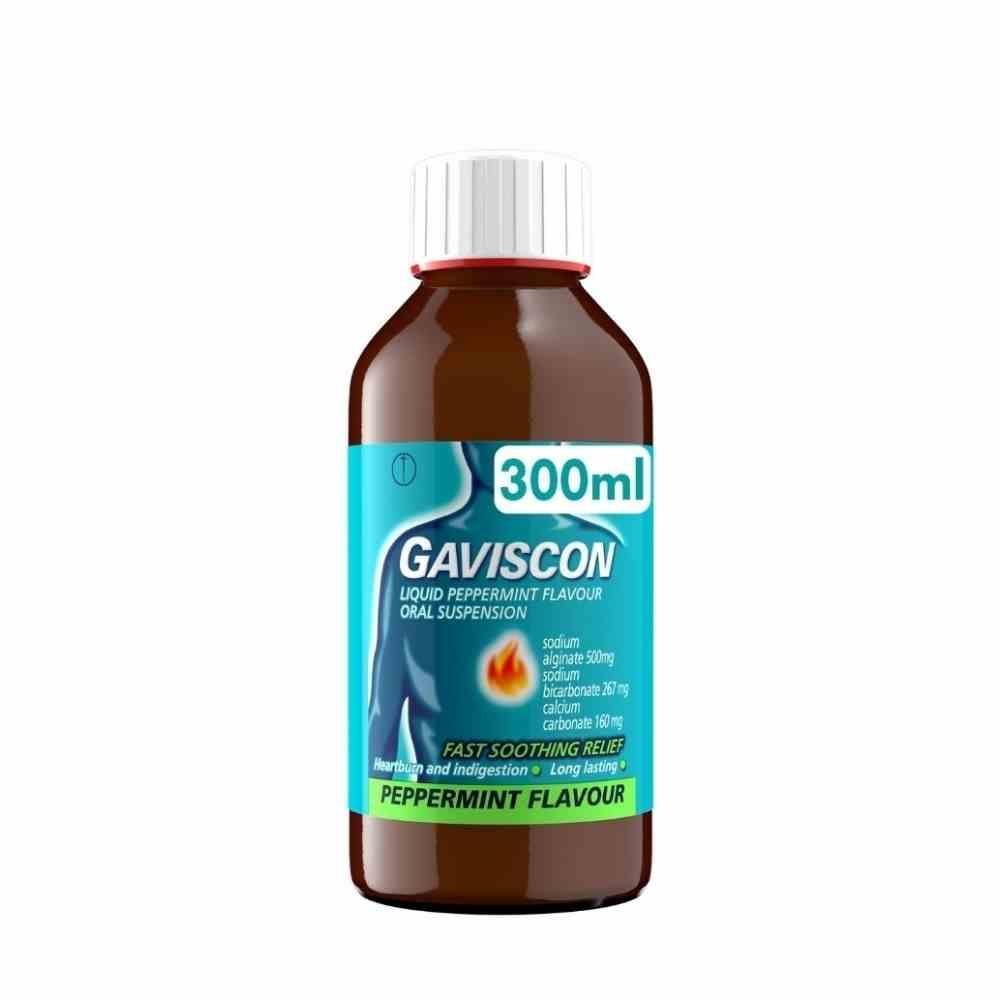 Gaviscon Liquid Peppermint 300ml€9.99View product
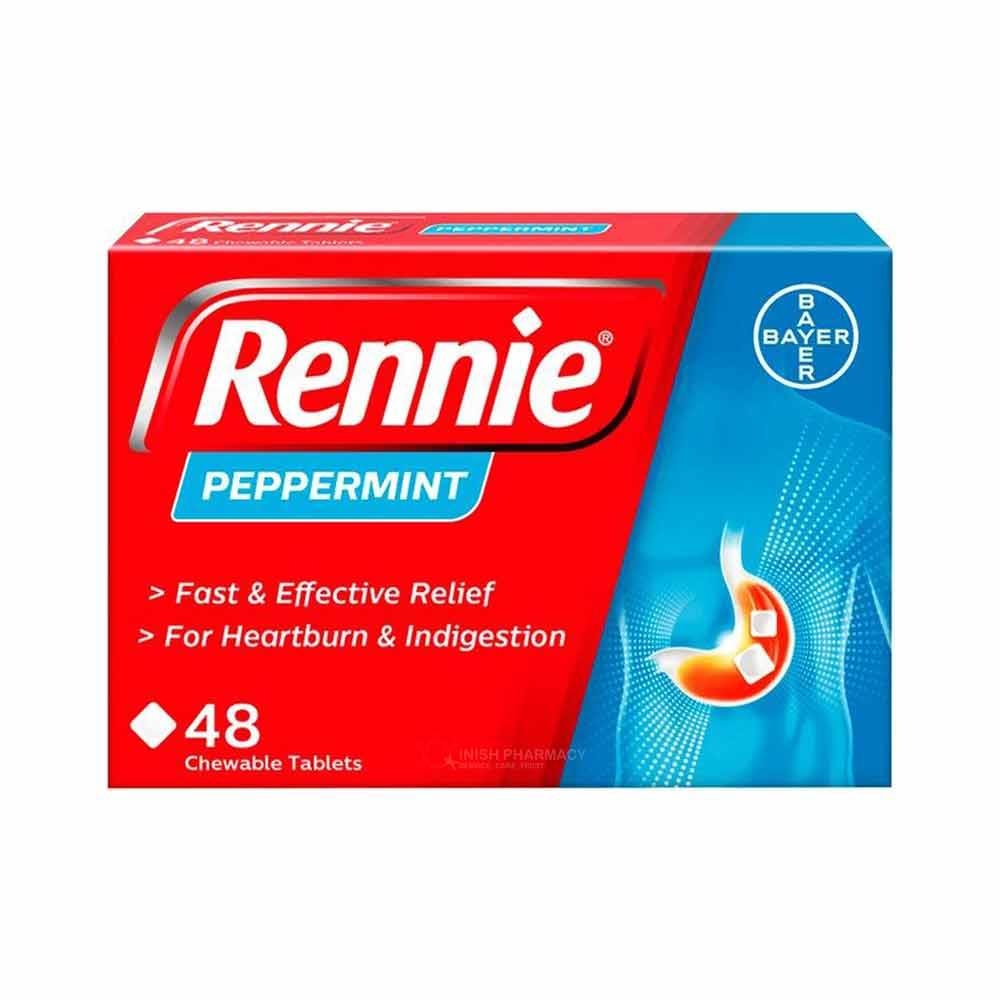 Rennie Peppermint Tablets 48 Pack€5.50View product
Keeping things moving
Because these medicines slow the gut, constipation is one of the most common side effects. The single most useful thing you can do about it is get enough fibre.
Two other things help a lot, fluid and movement. Sip water steadily through the day rather than in big gulps, and a short daily walk really does get things going. A magnesium supplement suits some people, and your pharmacist can point you to a sensible option.
Fibre and comfort from the pharmacy
 Fybogel Orange Natural Fibre Drink 30 Sachets€15.00View product
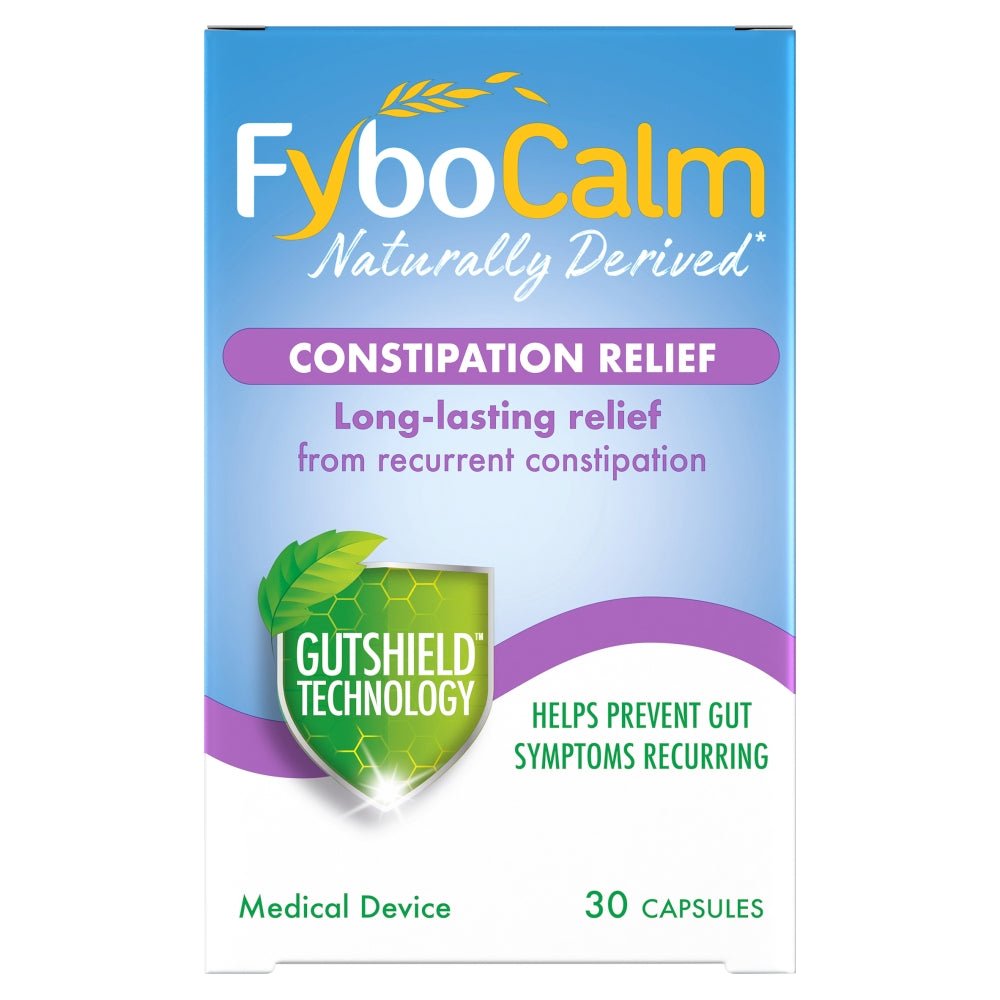 Fybocalm Constipation Relief Capsules 30s€15.99View product
The nutrients to keep an eye on
When your total intake drops sharply, it becomes harder to hit your daily vitamins and minerals from food alone. Reviews of GLP-1 users highlight vitamin B12, vitamin D, iron, calcium, magnesium and thiamine as the ones most worth watching. A good daily multivitamin covers the basics, and your pharmacist can suggest specific supplements, for example B12 or iron, if you are running low or feeling tired. If you are on these medicines for the long term, it is reasonable to ask your GP about checking your bloods now and then.
Stay well hydrated
It is easy to drink less when you are eating less, and even mild dehydration can worsen tiredness, headaches and constipation. Sip fluids across the day rather than large amounts in one go. If you have had vomiting or diarrhoea, an oral rehydration or electrolyte drink helps you replace what you have lost.
A simple support kit
These are the everyday supplements our pharmacists most often suggest to people on a GLP-1, all in stock and ready to collect in Portlaoise or delivered across Ireland. None of them replace real food or your prescriber’s advice, they simply fill the common gaps.
Protein and muscle support

Everyday micronutrients
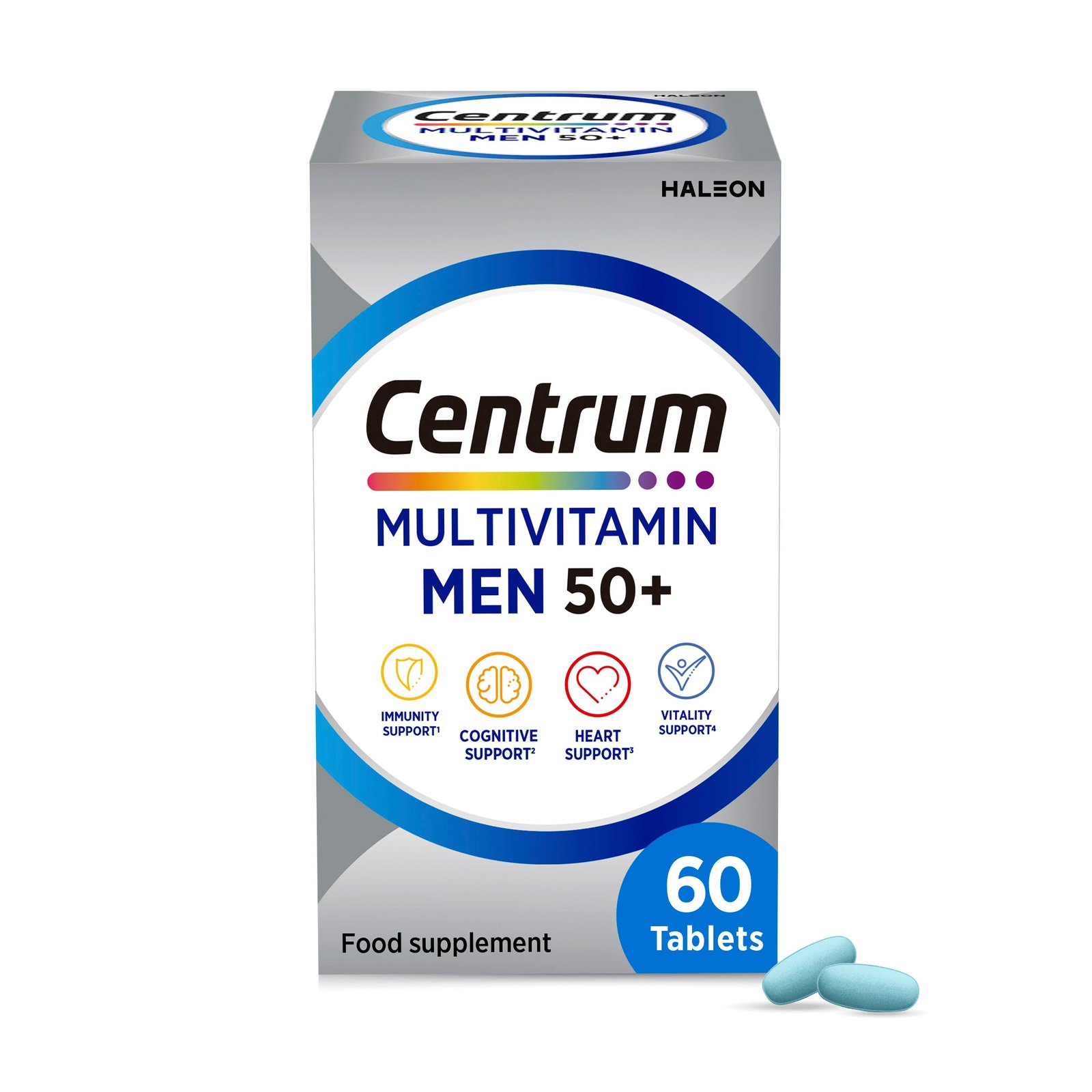 Centrum Multivitamin for Men, 30 Tablets€12.99View product
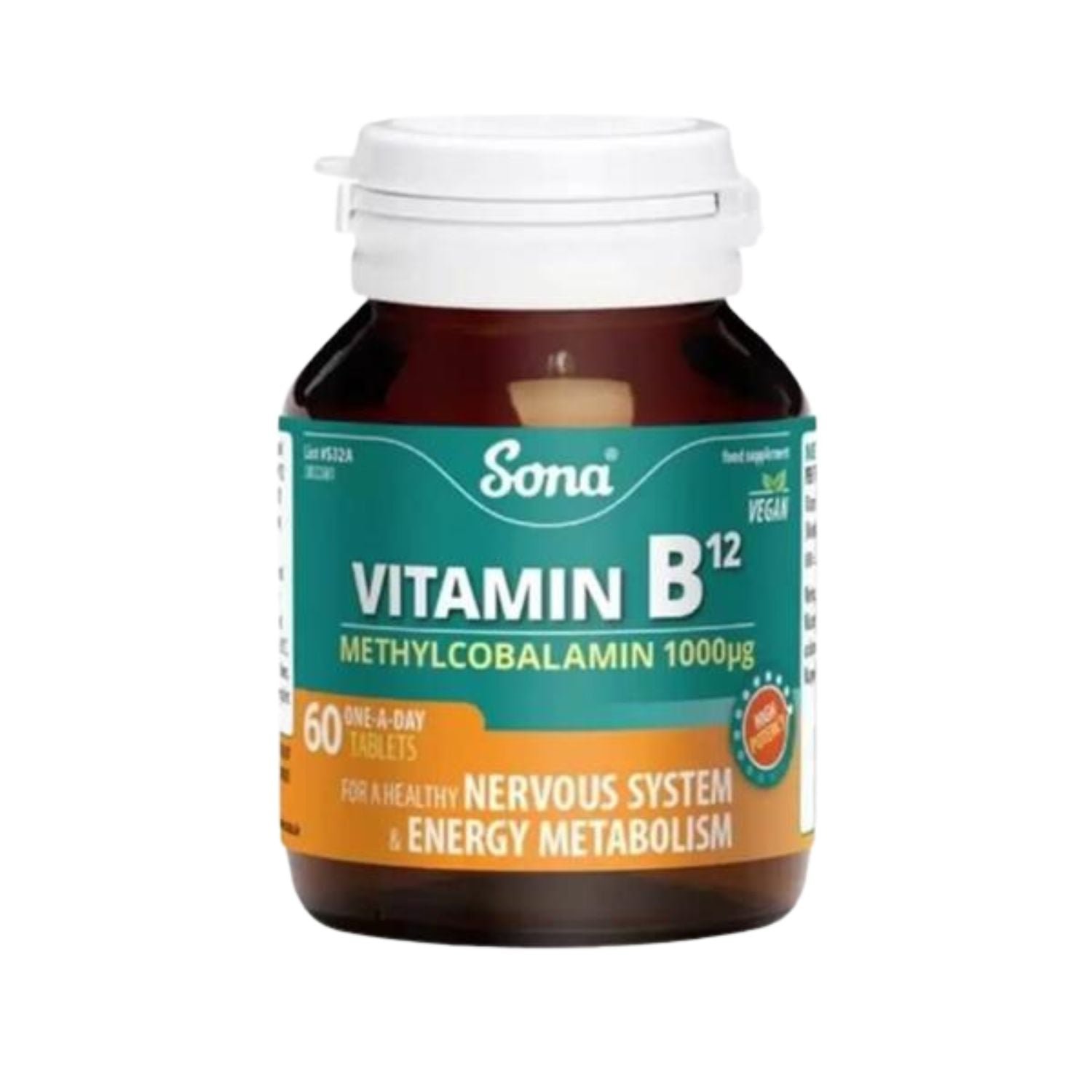 Sona B12 Methylcobalamin 1000mcg€14.30View product
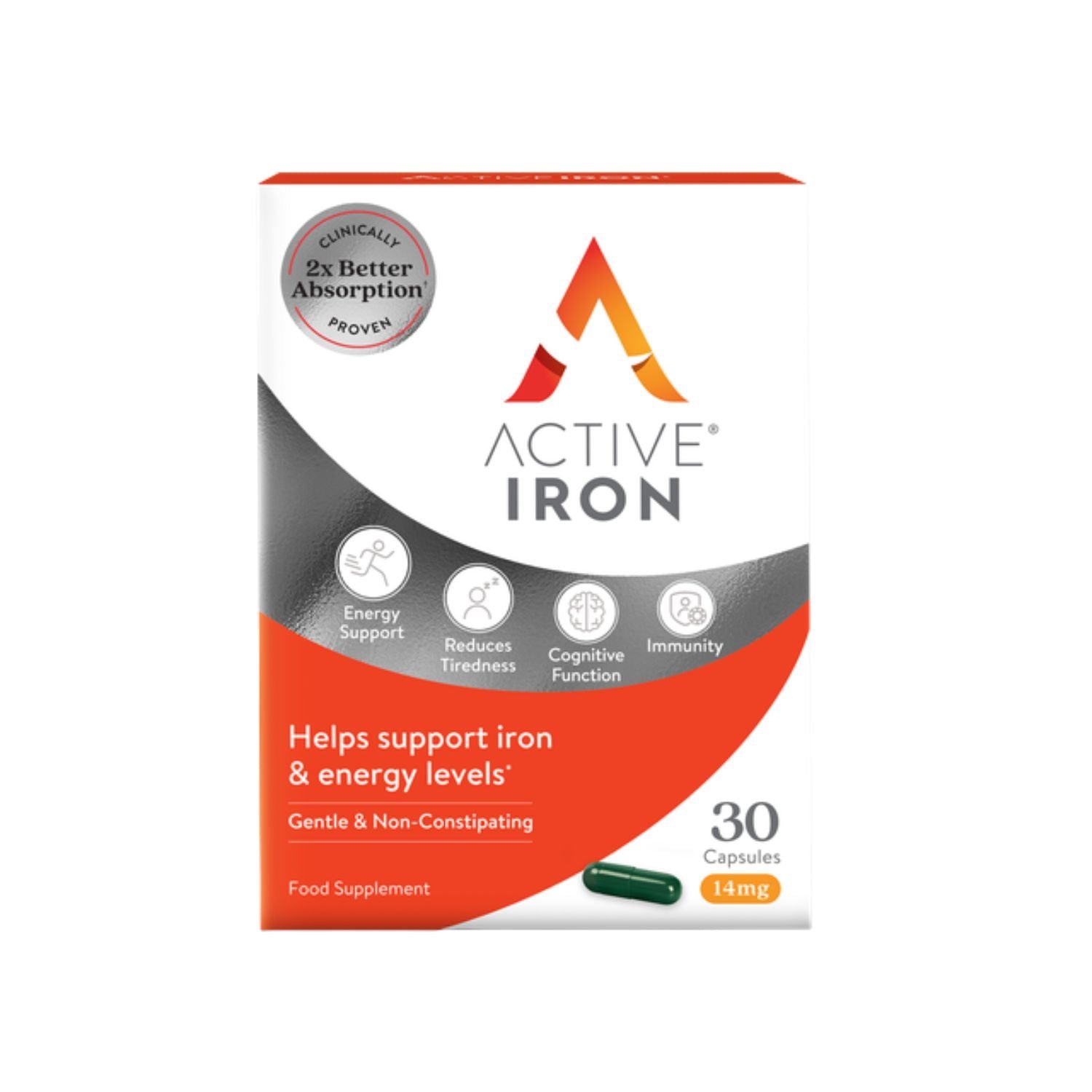 Active Iron Capsules, 30s€18.99View product
Digestion and comfort
Fybogel Orange Natural Fibre Drink 30 Sachets€15.00View product Revive Active Magnesium Complex 60 capsules€23.99View product
Hydration and electrolytes
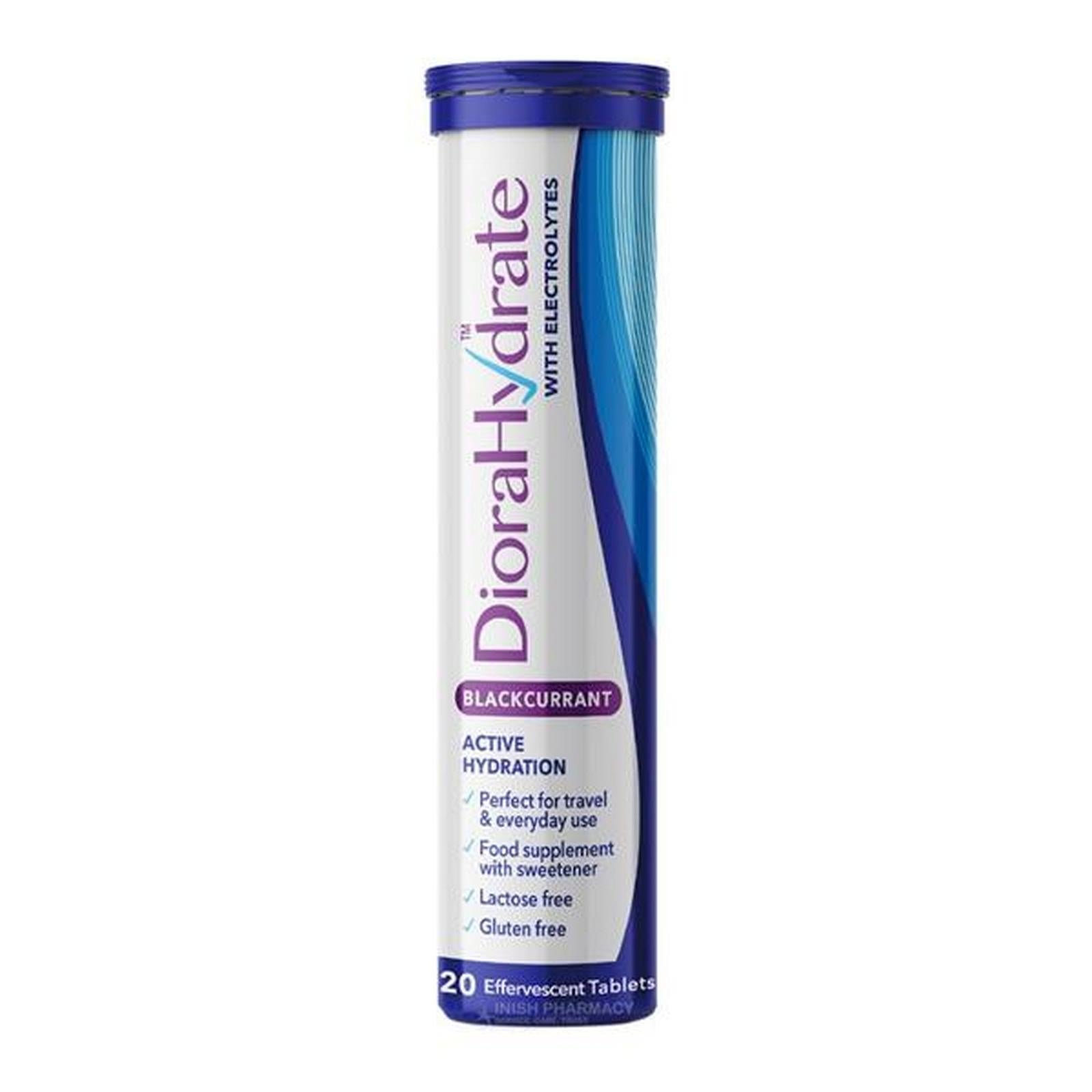
Not sure what you need?
Our pharmacist is happy to talk through supplements, side effects and staying well on your treatment, in confidence and with no obligation.
Frequently asked questions
How much protein should I eat on Ozempic or Mounjaro?
Current guidance suggests about 1.2 to 1.6 grams per kilogram of body weight per day while you are losing weight, spread across your meals. Use the calculator above for your range, and check with your dietitian or pharmacist if you are unsure.
Which supplements are worth taking on a GLP-1?
A daily multivitamin, and often vitamin B12, vitamin D, iron, magnesium and fibre, depending on your diet and symptoms. An electrolyte drink helps if you have had vomiting or diarrhoea.
What foods should I avoid?
Greasy, fried and very high fat foods, large sugary treats, oversized portions and too much alcohol, since these are the most common triggers for nausea and add empty calories.
Will I lose muscle on these medicines?
You can lose some muscle along with fat, which is why enough protein and a little strength training matter so much. Together they help you keep more muscle while the fat comes off.
Can my pharmacist help?
Yes. Our team can advise on supplements, managing side effects and staying well on your treatment. This is general advice and does not replace your GP or prescriber.
Sources
- Nutritional Priorities to Support GLP-1 Therapy for Obesity, a 2025 joint advisory from the American College of Lifestyle Medicine, American Society for Nutrition, Obesity Medicine Association and The Obesity Society. American Journal of Clinical Nutrition.
- Nutritional and lifestyle supportive care recommendations for management of obesity with GLP-1 based therapies, an expert consensus statement using a modified Delphi approach, 2025. National Library of Medicine.
- Foods to eat and avoid on GLP-1 medicines. Cleveland Clinic.
- GLP-1 receptor agonists and micronutrient status. National Library of Medicine.
- The Obesity Society, Nutritional Priorities to Support GLP-1 Therapy for Obesity. obesity.org.
- Wilding JPH et al. Impact of semaglutide on body composition, an exploratory analysis of the STEP 1 study. STEP 1 body composition analysis.
- Look M et al. Body composition changes during weight reduction with tirzepatide in the SURMOUNT-1 study. Diabetes, Obesity and Metabolism, 2025. SURMOUNT-1 body composition study.
In Ireland, semaglutide and tirzepatide are prescription only medicines prescribed for type 2 diabetes or weight management. This article is general information from our pharmacy team and does not replace advice from your GP, prescriber or dietitian. Always follow the instructions that come with your medicine.