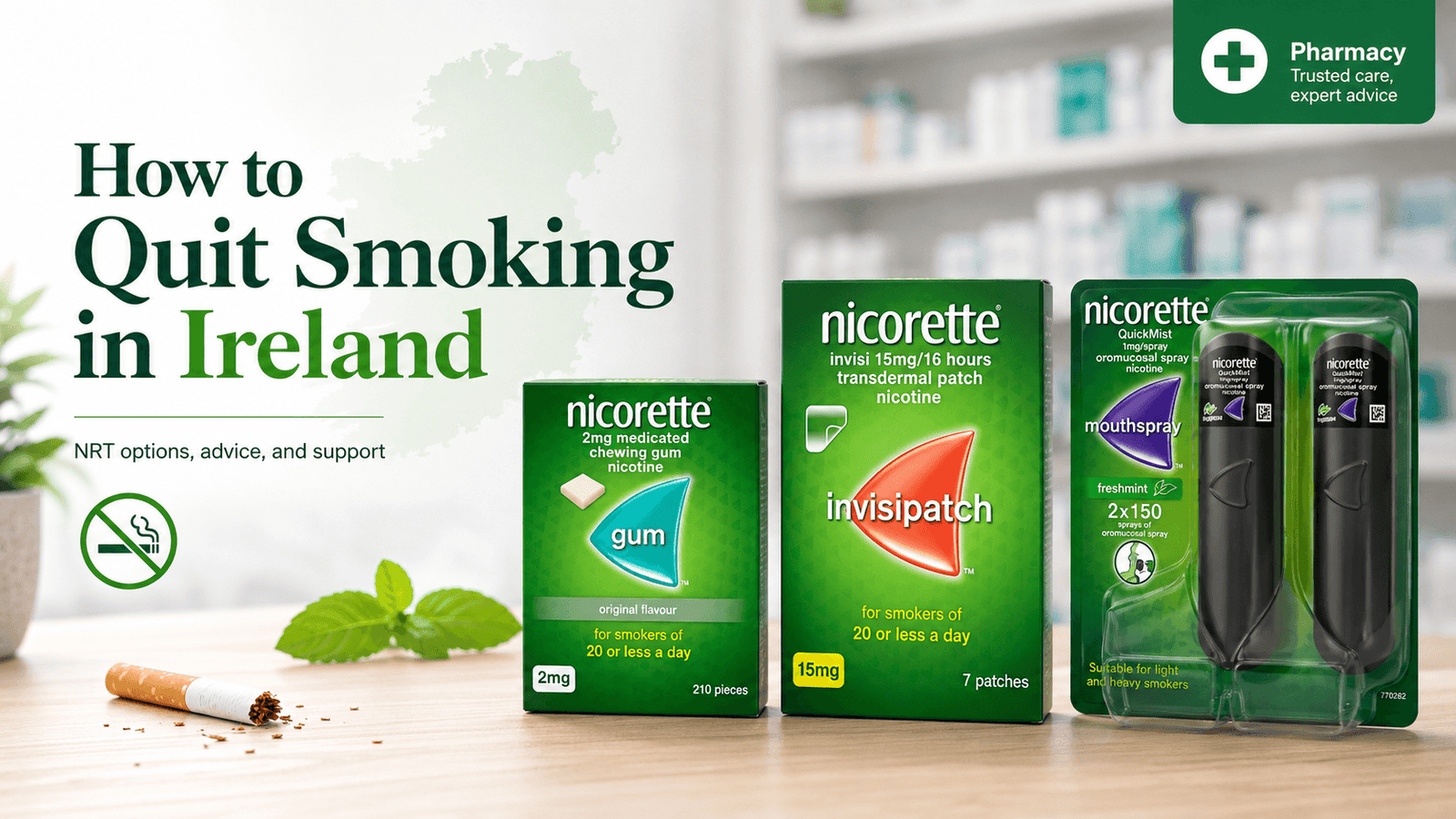
Here is the honest truth up front: quitting smoking is the single best thing you can do for your health, and if you have tried before and it did not stick, that is completely normal. Most people take a few goes. The difference between the tries that fail and the ones that work usually comes down to two things, using the right support and the right medication, instead of relying on willpower alone. This is a real guide to doing it the way that actually works in Ireland.
Why it is worth the effort
Smoking still causes around 4,500 deaths in Ireland every year, and about one in every two long-term smokers dies from a smoking-related illness [1]. Roughly 18 percent of Irish adults still smoke, though that number keeps falling [2]. The upside is huge and it starts fast. Within 20 minutes your heart rate settles, within 48 hours your sense of taste and smell start coming back, and within a year your risk of a heart attack has roughly halved [1]. Quit at any age and you get years back.
See what you would save
Money is a real motivator, so let’s make it concrete. A pack of 20 in Ireland now costs about €16.75.
Willpower alone is the hard way
Going cold turkey works for a small number of people, but the odds are tough, only around 3 to 5 in 100 are still off them a year later [3]. Here is the encouraging part. Combining proper stop-smoking support with medication makes you up to four times more likely to succeed [3]. You would not fix a broken leg with willpower, and nicotine addiction is no different. Use the tools.
Free help in Ireland: the HSE QUIT service
This is the resource most people do not use, and it is free. The HSE QUIT service gives you a trained Stop Smoking Advisor, a personal quit plan, and support by phone, text or online for as long as you need it. People who use it are far more likely to stay smoke free [4].
Medical card? Your medication can be covered
This is a big one that people miss. If you have a medical card, your GP can prescribe nicotine replacement therapy (patches, gum, lozenges and more) and stop-smoking tablets, and they are covered by your card apart from the small prescription charge [4]. The HSE's free stop-smoking service can also help set you up with support and, in many areas, free NRT to get you started. If you do not have a medical card, NRT is available to buy over the counter with us, and we will help you pick the right combination.
Your quit toolkit: what actually helps
Nicotine replacement therapy (NRT) takes the edge off withdrawal so you can break the habit without white-knuckling it. The trick most people get wrong is using too little, or only one type. The evidence is clear that combining a patch with a fast-acting form works best [5].
| Type | Best for |
|---|---|
| Patch | Steady, all-day cover. You put it on and forget it. This is your base layer. |
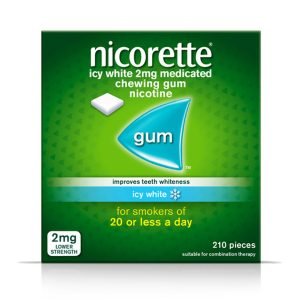
| Gum | Sudden cravings and keeping your mouth busy. Chew slowly and park it. |
| Lozenge | Discreet fast relief that dissolves in your mouth, no chewing. |
| Mouth spray | The fastest hit for a strong, sudden craving, works in about a minute. |
| Inhalator | Good if you miss the hand to mouth habit of a cigarette. |
The winning formula for most people is a patch for background cover plus a fast-acting form (gum, lozenge or spray) for the cravings that spike. We stock Nicorette, Nicotinell and NiQuitin in-store, so call in and we will match a combination to how you smoke.
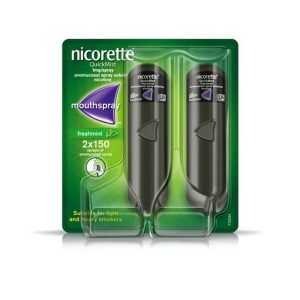
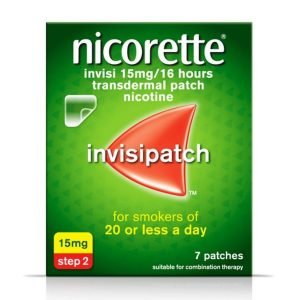
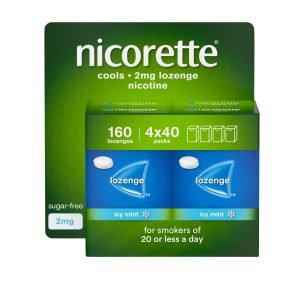
Which combination suits you?
Stop-smoking tablets
For heavier smokers, prescription tablets can lift your chances further. Varenicline is the most effective single medicine, and after a supply gap it is available again in Ireland as a generic [5]. Bupropion is another option. Both are prescription only, so have a chat with your GP, and remember they are covered on a medical card.
What about vaping?
Some adult smokers do turn to a vape to get off cigarettes. If that is you, treat it as a stepping stone and not a destination, because the aim is to be free of nicotine altogether. Vaping is not harmless, the long term effects are still being studied, and newer research keeps raising questions, so it is not something we push. It is not for anyone who has never smoked, and it is against the law to sell it to under 18s in Ireland. If you are weighing it up, the sensible first step is the proven route, licensed NRT and the free QUIT service, and you can talk it through with us or your GP before you decide.
Trying to quit vaping itself?
This is a newer question, and we hear it more and more, often from younger people or from those who never smoked in the first place. The honest position is that the research on the single best way to quit vaping is still catching up. The trials are limited, so most of the practical advice adapts what already works for cigarettes, because the thing you are actually breaking free of is the same, nicotine.
If you vape, this bit is for you. Vapes are built to be easy to use and easy to keep using. No smell, no ash, no pack visibly running out, so it is genuinely hard to notice how much nicotine you are getting. A single disposable can hold as much nicotine as a full pack of cigarettes, sometimes more, and because you can puff away quietly all day, a lot of people are more hooked than they realise.
A few honest signs it has a hold on you: you reach for it first thing in the morning, you feel edgy or cannot concentrate without it, you vape without even thinking about it, or you are getting through devices faster than you used to.
Why bother stopping? Nicotine is a strong addiction in its own right, and the effects of vaping on your lungs and heart over many years are still not fully known. Nicotine also disturbs your sleep, and even though a vape can feel calming in the moment, it tends to feed anxiety over time rather than settle it. The good part is that your body does not stay hooked forever. The cravings fade within a few weeks, your sleep and breathing usually improve, and there is real money back in your pocket.
Here is what tends to help:
- Step the nicotine down. Move to a lower strength e-liquid over a few weeks, then lower again, so it is a gradual slope rather than a cliff edge.
- Set a quit date and clear the decks. Pick a day, and get the device and any spare liquids out of the house and out of your pockets.
- Ride out the cravings. They usually pass in a few minutes. Delay, drink some water, and keep your hands busy. Vaping is often a phone and fidget habit, so having something else to reach for really helps.
- Know your triggers. Stress, scrolling, the coffee, a night out. Plan a different response for each one.
- Consider a little NRT. Some people use a patch or gum to take the edge off while they taper down. It is not the licensed use, so have a quick word with us and we will tell you if it makes sense for you.
- Get free support. The HSE QUIT service on 1800 201 203 and Quit.ie can help you stop vaping too, not just cigarettes.
For teenagers, calm support goes a long way, and the law has tightened here. Selling vapes to under 18s is now illegal in Ireland, and a ban on disposable vapes along with tighter rules on flavours and marketing are on the way [6].
And if you both smoke and vape, deal with the cigarettes first, they are far more harmful, then work on the vape.
Getting through the first few weeks
- Set a quit date and tell a few people, so you are not doing it quietly on your own.
- A craving usually passes in three to five minutes. Delay, drink a glass of water, and do something with your hands.
- Watch your triggers, the coffee, the pint, the break at work, and plan a swap for each one.
- Use enough NRT. Under-dosing is the most common reason people slip.
- One slip is not failure. Learn what triggered it and keep going.
What our staff say at the counter
- The 20 second version: do not do it on willpower alone. Use a patch plus a fast acting form, ring the free QUIT line on 1800 201 203, and if you have a medical card, get your GP to put it on prescription.
- The mistake we see most: people use too little NRT and stop it too soon. Use a proper strength and stick with it for 8 to 12 weeks.
- Our go-to combination: a patch for steady cover, plus gum, a lozenge or the mouth spray for the cravings that jump out at you.
- For heavier smokers: ask your GP about varenicline tablets, they genuinely move the needle.
- A slip is not a failure: most people who quit for good had a few goes first. If you slip, figure out what triggered it and get straight back on it rather than writing off the whole attempt.
Where to start today
Pick a quit date in the next two weeks. Call in to us for a few minutes and we will build you a simple plan and sort your NRT, or ring the QUIT service on 1800 201 203. You have very likely tried before. That is not a reason it will not work this time, it is practice.
References
- HSE and Tobacco Free Ireland. Health effects of smoking and benefits of quitting.
- Healthy Ireland Survey. Smoking prevalence in Ireland, 2023.
- National Centre for Smoking Cessation and Training (NCSCT). Effectiveness of behavioural support and medication.
- HSE QUIT service (Quit.ie) and medical card / community drug scheme provisions for stop-smoking medicines.
- Lindson N, et al. Different doses, durations and modes of delivery of nicotine replacement therapy. Cochrane Database of Systematic Reviews.
- Public Health (Tobacco and Nicotine Inhaling Products) Act 2023, Ireland; HSE Quit.ie guidance on vaping and stopping vaping.