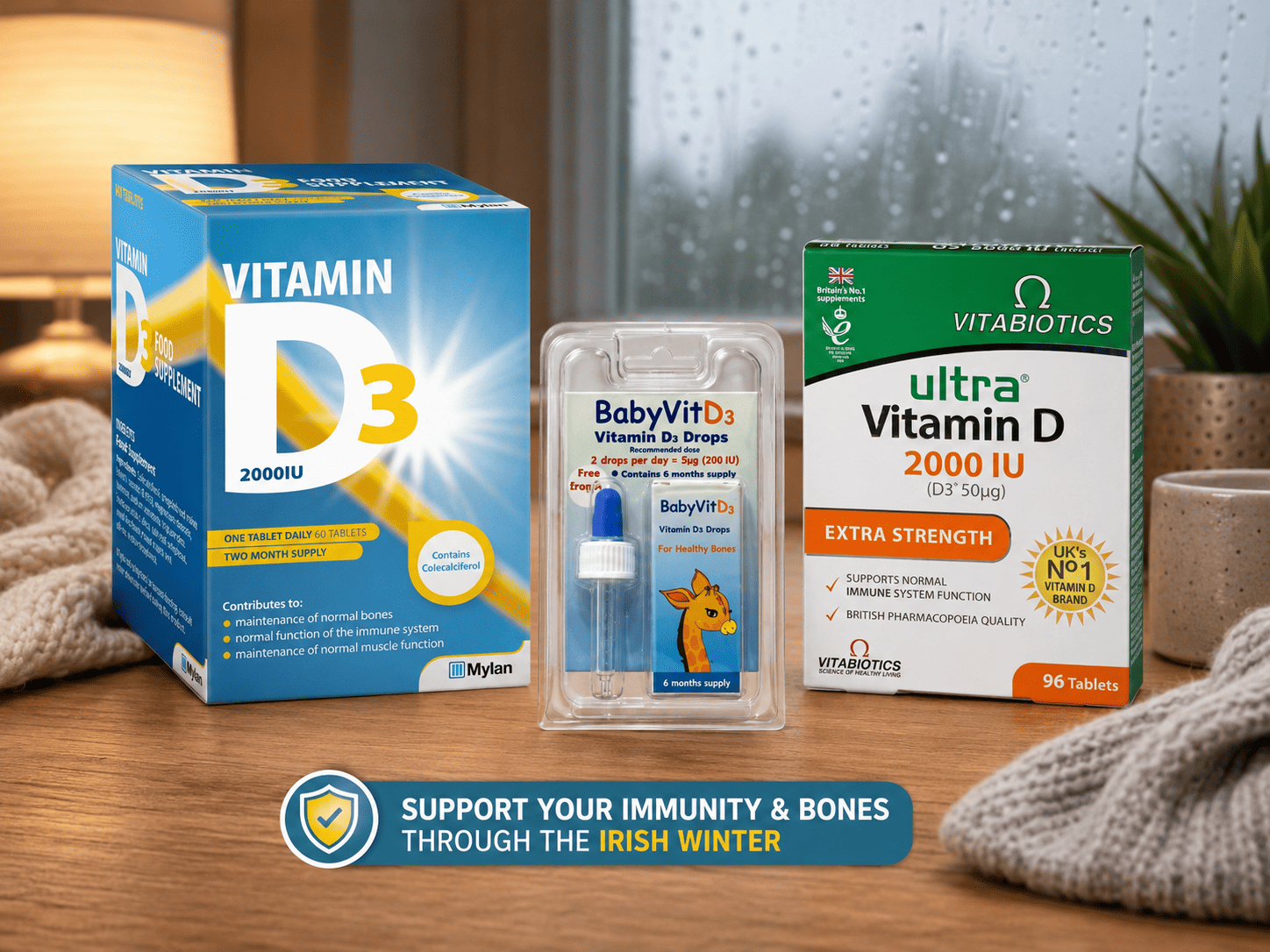
Vitamin D is the one supplement the HSE says everyone in Ireland should take. Between October and early March the sun here is not strong enough for skin to make any, and food does not get most people close to what they need. Here are the Irish recommendations in one place, from newborn drops to the over 65s, and which form suits each age.
- Babies under 12 months: 5 micrograms (200 IU) every day, all year, if breastfed or taking under 300ml of formula a day. Use a vitamin D-only drop made for babies.
- Children 1 to 4: 5 micrograms a day from Halloween to St Patrick’s Day, as drops. Children 5 to 12: 10 micrograms (400 IU) over the same months.
- Age 13 to 64: 15 micrograms (600 IU) a day from Halloween to St Patrick’s Day, and all year if you have darker skin, little sun exposure or are pregnant.
- Over 65: 15 micrograms (600 IU) every day, all year.
- Upper limits: 100 micrograms (4,000 IU) a day for adults, 50 for ages 1 to 10, 25 for babies. Take it with a meal.
Why Ireland needs a supplement
Skin makes vitamin D from strong sunlight. The HSE notes that between October and early March the Irish sun is too weak for that, however long you are outdoors. Oily fish, red meat, liver, egg yolks and fortified spreads and cereals contain some, but the amounts are small, which is why the HSE says to take a supplement even if you eat them. Vitamin D keeps bones, teeth and muscles healthy; a long-term shortage causes rickets in children and bone pain and weakness in adults. People with black or brown skin may not make enough even in summer, nor may anyone housebound or usually covered up outdoors.
How much vitamin D by age: the Irish recommendations
These are the Department of Health and HSE recommendations, based on the Food Safety Authority of Ireland reports (2020 and 2023). Labels use micrograms or international units (IU): 1 microgram is 40 IU.
| Who | Daily amount | When |
|---|---|---|
| Babies 0 to 12 months | 5 micrograms (200 IU) | Every day, all year, if breastfed or taking under 300ml of formula a day (formula already contains vitamin D) |
| Children 1 to 4 | 5 micrograms (200 IU) | Every day from Halloween (31 October) to St Patrick’s Day (17 March) |
| Children 5 to 12 | 10 micrograms (400 IU) | Halloween to St Patrick’s Day; all year with darker skin or little sun exposure |
| Age 13 to 64 | 15 micrograms (600 IU) | Halloween to St Patrick’s Day; all year with darker skin, little sun exposure, or in pregnancy |
| Pregnancy | 15 micrograms (600 IU) | Every day throughout pregnancy; check the label of any pregnancy multivitamin |
| Adults 65 and over | 15 micrograms (600 IU) | Every day, all year |
If your GP prescribed a higher dose, keep taking it.
Babies and small children: drops only
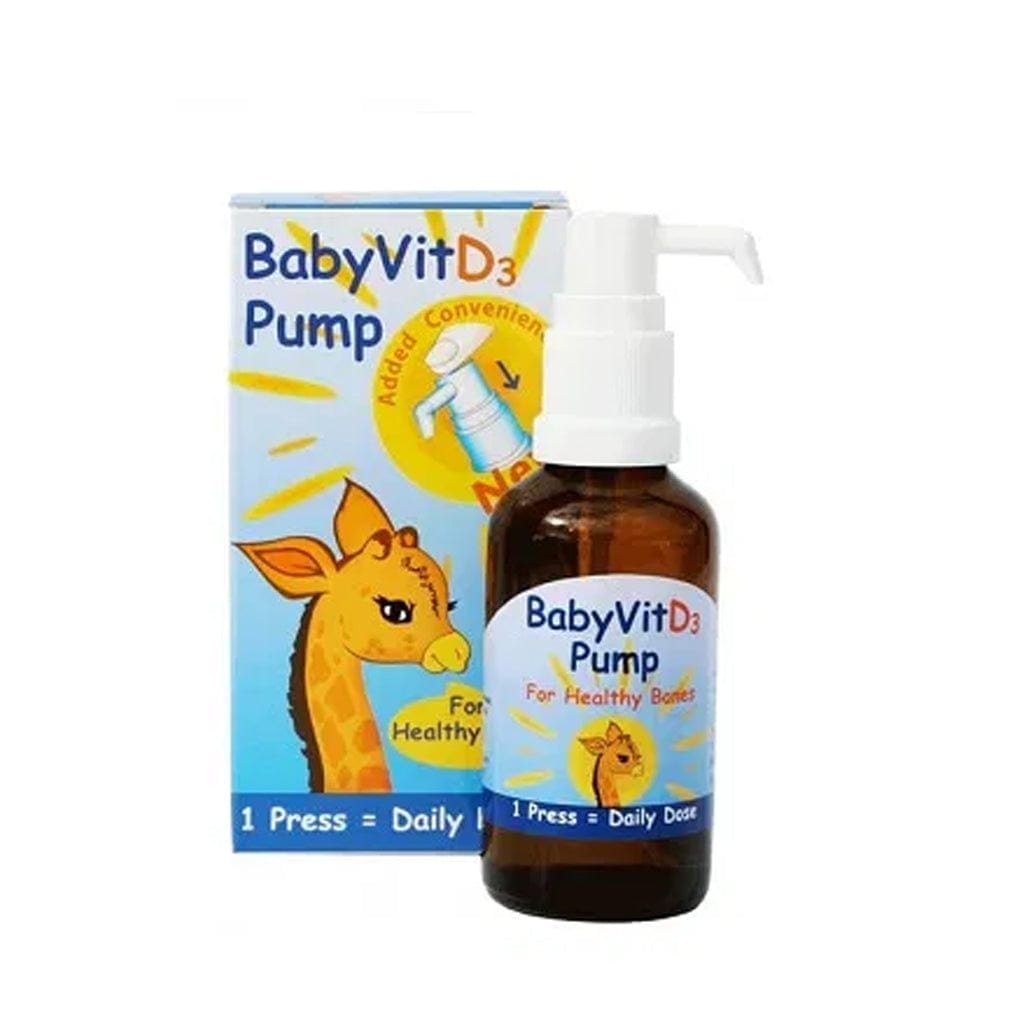
Breastfed babies need the supplement even if you take vitamin D yourself. The HSE advice is a liquid made for babies that contains vitamin D only, one dose a day and no more, exactly as the label says. Re-read the label with every new brand, because drops per dose vary. Large doses can make a baby ill, so never use an adult product. Premature babies or babies under medical care may need a different dose, so ask your GP. For 1 to 4 year olds the HSE also recommends a vitamin D-only liquid; chewables and gummies are a choking risk at that age. From 5, tablets, chewables or sprays are all fine.
 Baby Vit D3 drops, 10mlVitamin D3 only, for the 5 microgram daily dose from birth.
€10.60
View product
Which form for adults, and which strength
Almost all supplements sold in Ireland are vitamin D3 (cholecalciferol), as tablets, chewables, soft capsules in oil, drops or sprays. The HSE does not favour one form; what matters is the dose and taking it daily, with a meal because vitamin D is fat soluble. Read the strength in micrograms. A 20 microgram (800 IU) capsule is close to the 15 microgram adult amount. The 50 microgram (2,000 IU) tablets common on pharmacy shelves are above that but under the 100 microgram adult limit, and GPs sometimes suggest that strength for a few months to build up a low level.
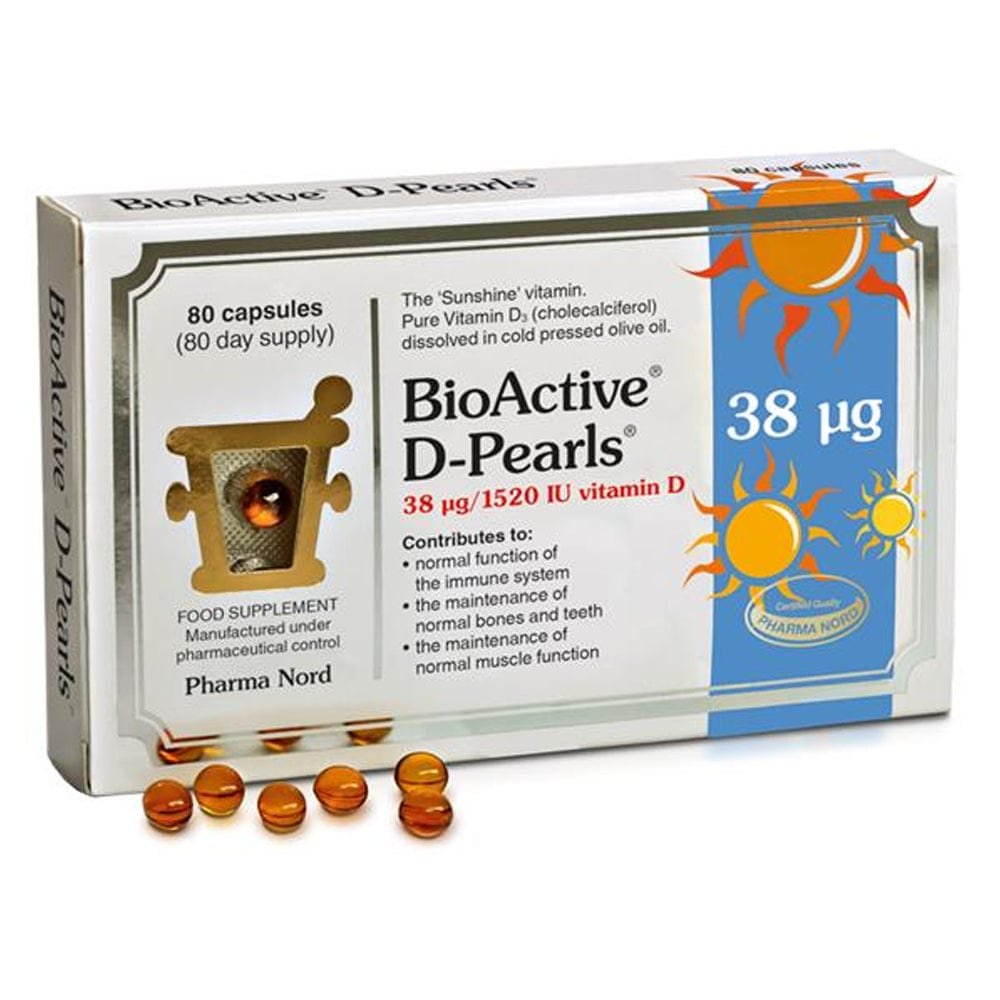 Pharma Nord Bio-Vitamin D3, 8020 micrograms (800 IU) in olive oil, closest to the adult amount.
€14.95
View product
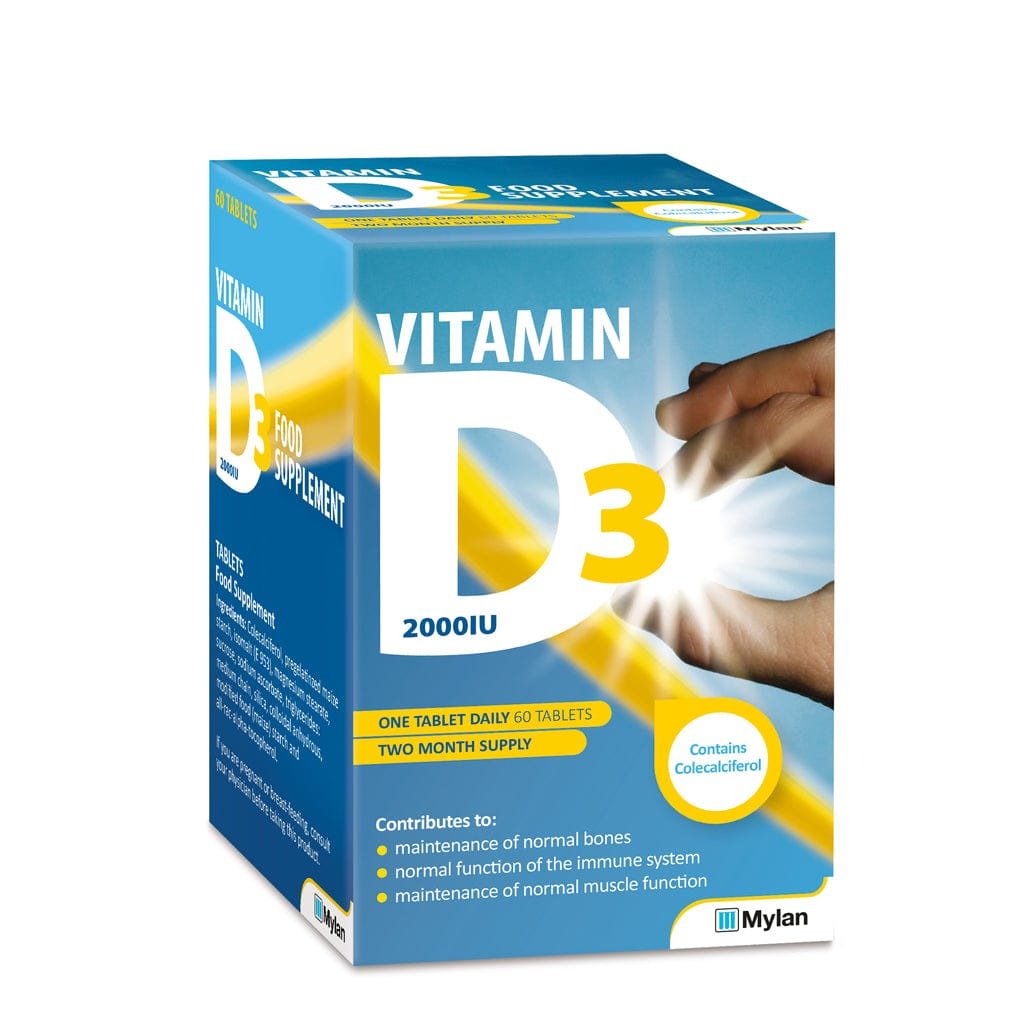
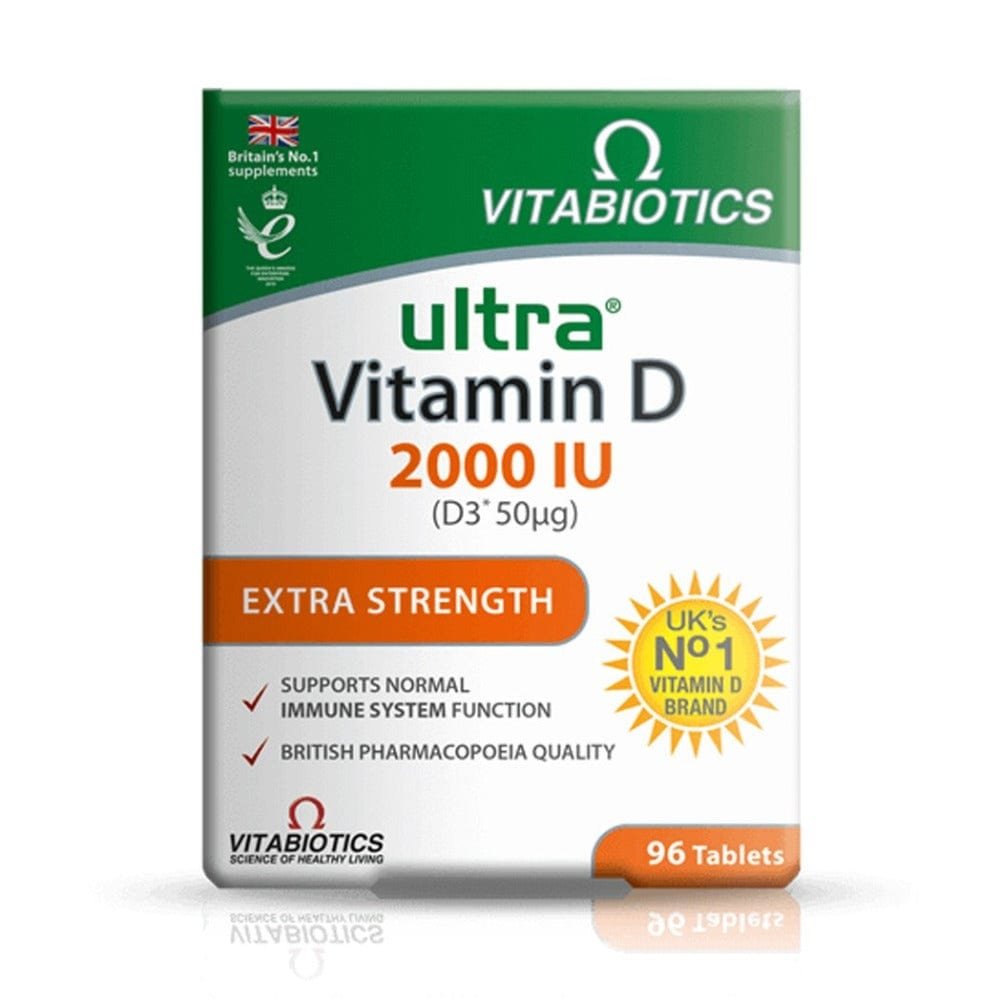
 Pregnacare Original, 30Pregnancy multivitamin with folic acid and vitamin D; check the vitamin D amount.
€7.95
View product
Food supplements are not a substitute for a varied diet. See all single vitamins and kids’ vitamins.
Pregnancy and breastfeeding
The Department of Health recommends 15 micrograms (600 IU) every day throughout pregnancy. The HSE points out that most pregnancy multivitamins contain only 10 micrograms, so if you rely on one, ask us about topping up. Avoid liver in pregnancy. Breastfeeding mothers should keep taking their own supplement, and the baby still needs their own 5 microgram drops.
Can you take too much?
Yes, from supplements, never from sunlight or food. Too much vitamin D over a long time raises calcium in the body, which can weaken bones and damage the kidneys and heart. The HSE upper limits are 25 micrograms (1,000 IU) a day under 12 months, 50 micrograms (2,000 IU) for ages 1 to 10, and 100 micrograms (4,000 IU) for everyone 11 and over. With kidney disease, kidney stones, high blood calcium or sarcoidosis, take vitamin D only on your doctor’s advice.
Do you need a blood test?
Most people do not; the recommendations are designed so healthy people can follow them without testing. Discuss a test with your GP if you have bone or muscle pain and weakness, or a condition that affects absorption. After a deficiency is found, GPs usually prescribe a higher dose for a set period and then step back to a maintenance amount.
Not sure which strength?
Tell us who it is for and what else they take, and we will point you to the right product and dose. Collect in Portlaoise or have it delivered anywhere in the Republic of Ireland for €6.
Vitamin D FAQs
How much vitamin D should an adult take in Ireland?
15 micrograms (600 IU) a day. The HSE advises taking it from Halloween to St Patrick’s Day if you are 13 to 64, and all year if you have darker skin, little sun exposure, are pregnant, or are 65 or over.
Should I take vitamin D all year or just in winter?
Winter only, from 31 October to 17 March, for most healthy people aged 1 to 64. All year if you are a baby, over 65, pregnant, have black or brown skin, usually cover most of your skin outdoors, or are rarely outside.
How much vitamin D does a baby need?
5 micrograms (200 IU) every day from birth to 12 months if breastfed or taking under 300ml of formula a day. Use a vitamin D-only liquid made for babies, one dose a day as the label says, and never an adult product. Babies on more than 300ml of formula a day do not need drops.
Is 2,000 IU of vitamin D a day too much?
2,000 IU is 50 micrograms, above the standard 15 microgram adult amount but within the HSE adult upper limit of 100 micrograms (4,000 IU). GPs sometimes suggest it to build up a low level. It is too much for a child under 11 and far too much for a baby. Add in any multivitamin or calcium and vitamin D tablet you take.
Is vitamin D3 better than D2?
Nearly every supplement sold in Ireland is vitamin D3, and the HSE does not favour one form. Choose by dose and by what you will take consistently: drops for under 5s, tablets, oil capsules, chewables or sprays for everyone else, taken with a meal.
Can I get enough vitamin D from food?
Not usually. Oily fish, red meat, liver, egg yolks and fortified spreads and cereals contain some, but the HSE says the amounts are small and that everyone in Ireland should take a supplement even if they eat these foods.
Sources
- HSE, Vitamin D; Vitamin D for babies 0 to 12 months; Vitamin D supplements for children age 1 to 4; Vegetarian and vegan diets in pregnancy (15 micrograms in pregnancy).
- Department of Health and Healthy Ireland, Vitamin D reference sheet for pharmacists (PDF).
- Food Safety Authority of Ireland, Vitamin D: Scientific Recommendations for 5 to 65 Year Olds Living in Ireland (2023); Recommendations for Older Adults in Ireland (2020); Vitamin D consumer advice.
- NHS, Vitamin D (upper limits, food sources).
General information for people in Ireland, not a substitute for personal advice. Follow your GP’s advice if you have been prescribed a dose, and ask our pharmacists if you are unsure which product suits you.