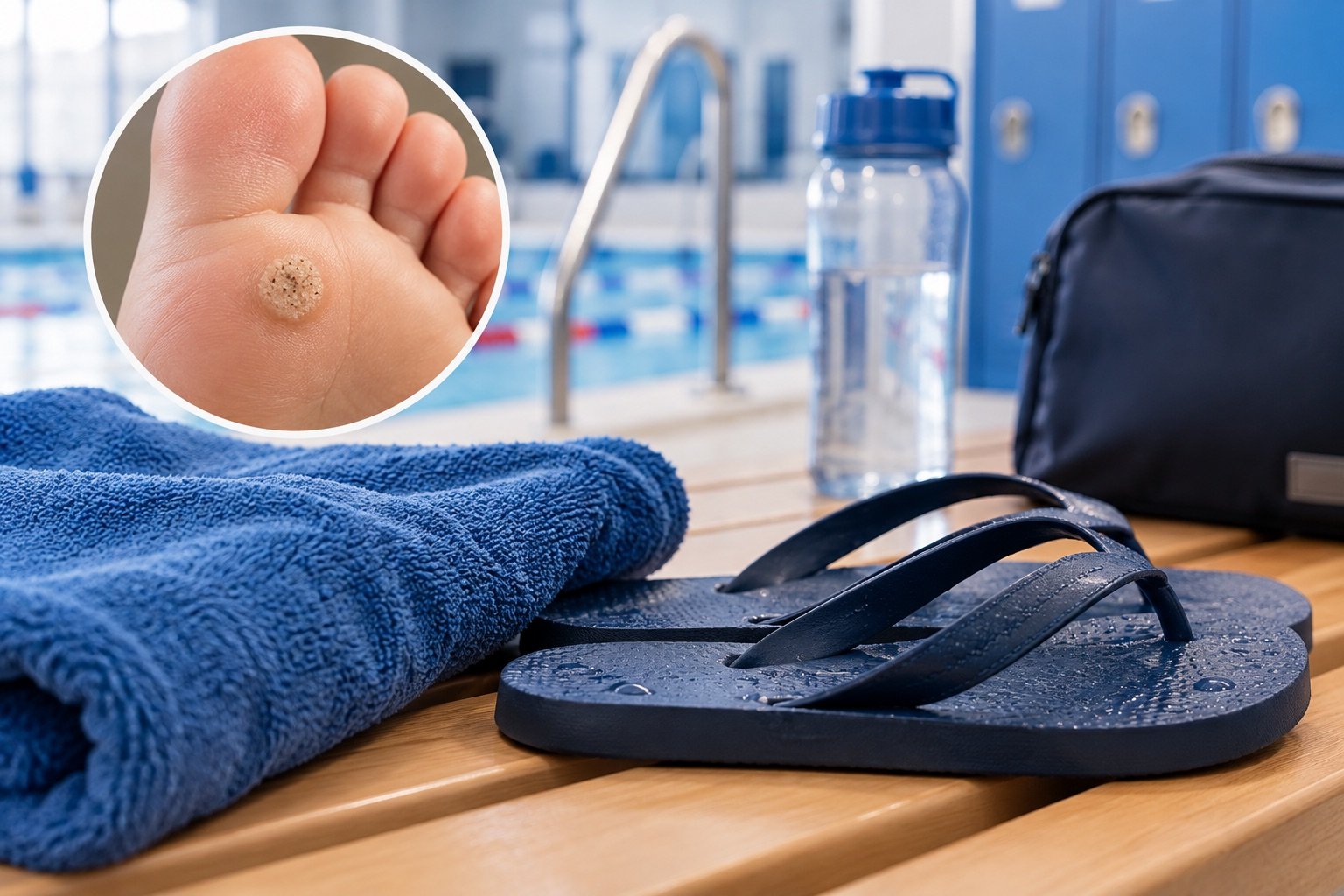
Is it a verruca, a corn or a callus? How to tell them apart
A hard, sore spot on your foot could be a verruca, a corn or a callus, and this guide shows you the simple signs that tell them apart and what to do about each one.


A hard, sore spot on your foot could be a verruca, a corn or a callus, and this guide shows you the simple signs that tell them apart and what to do about each one.
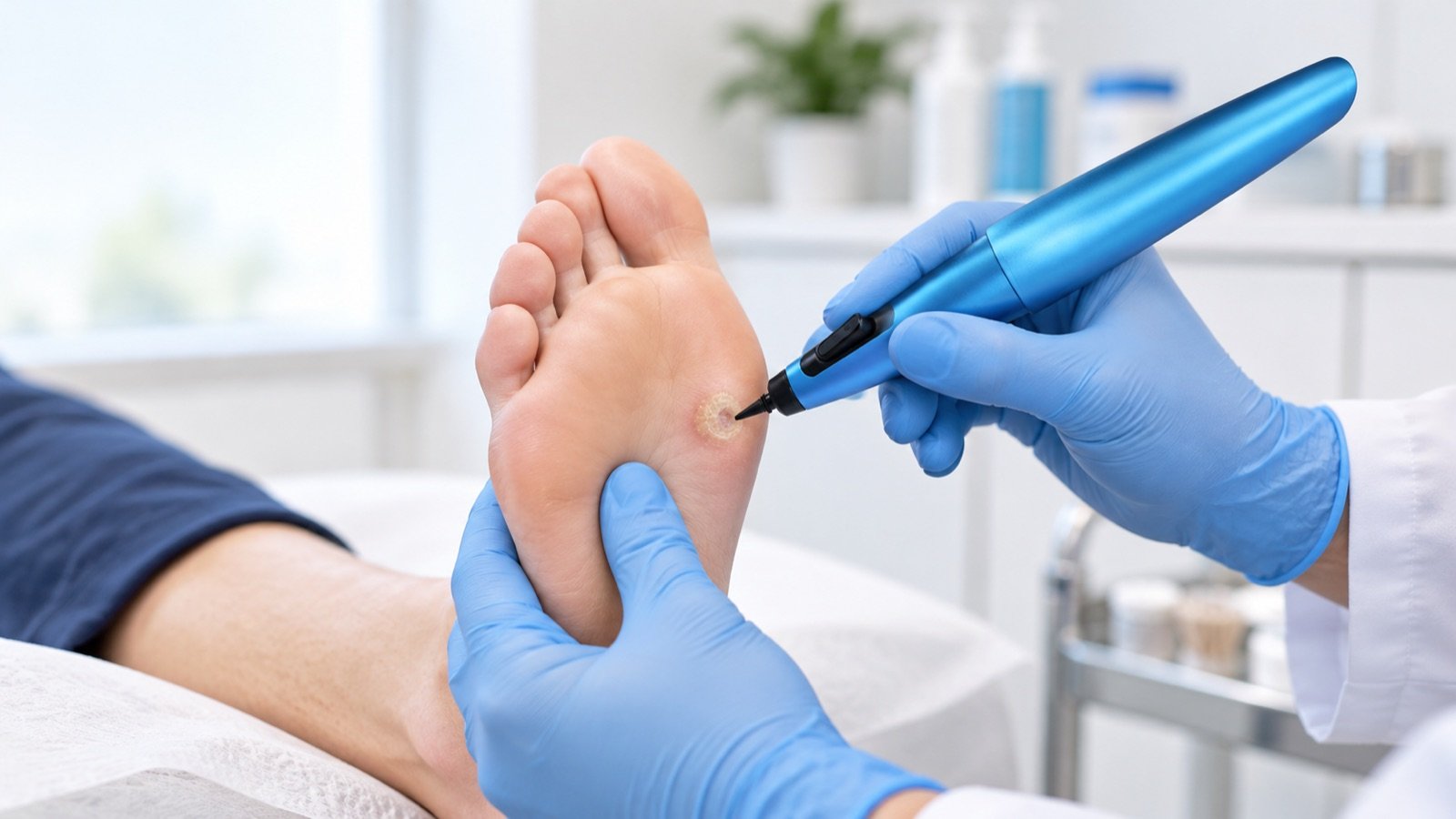
Most warts and verrucas need more than one freezing session, usually two to four weeks apart. This guide explains why, what the guidance says and when to review the plan.
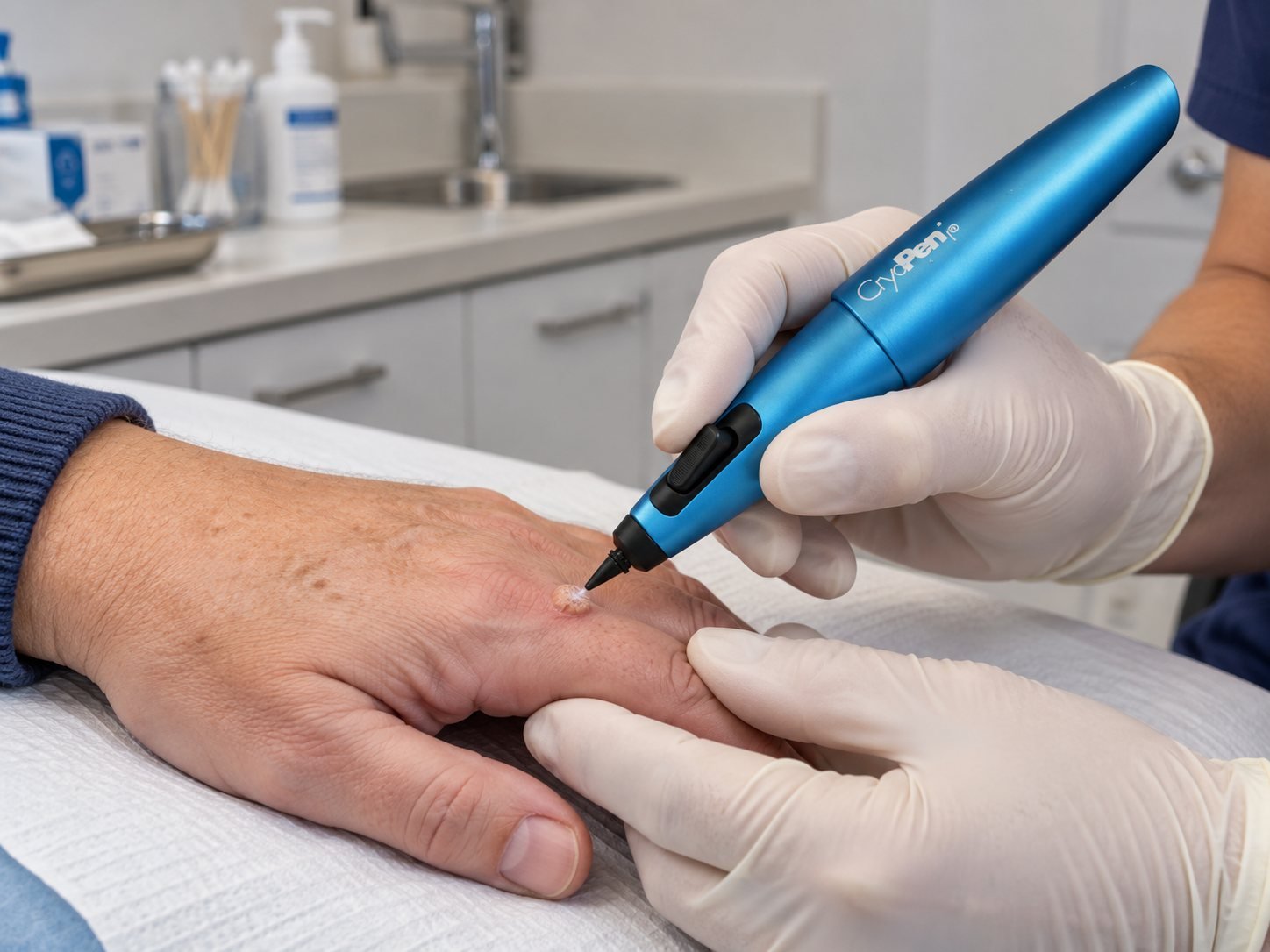
Most warts on hands go away on their own in time, and when you do want to treat one, salicylic acid and freezing have the strongest evidence, though both take patience.
Verrucas usually go away on their own in time, and research suggests salicylic acid and freezing work about equally well. Here is how the options compare, so you can choose the verruca treatment that suits you.
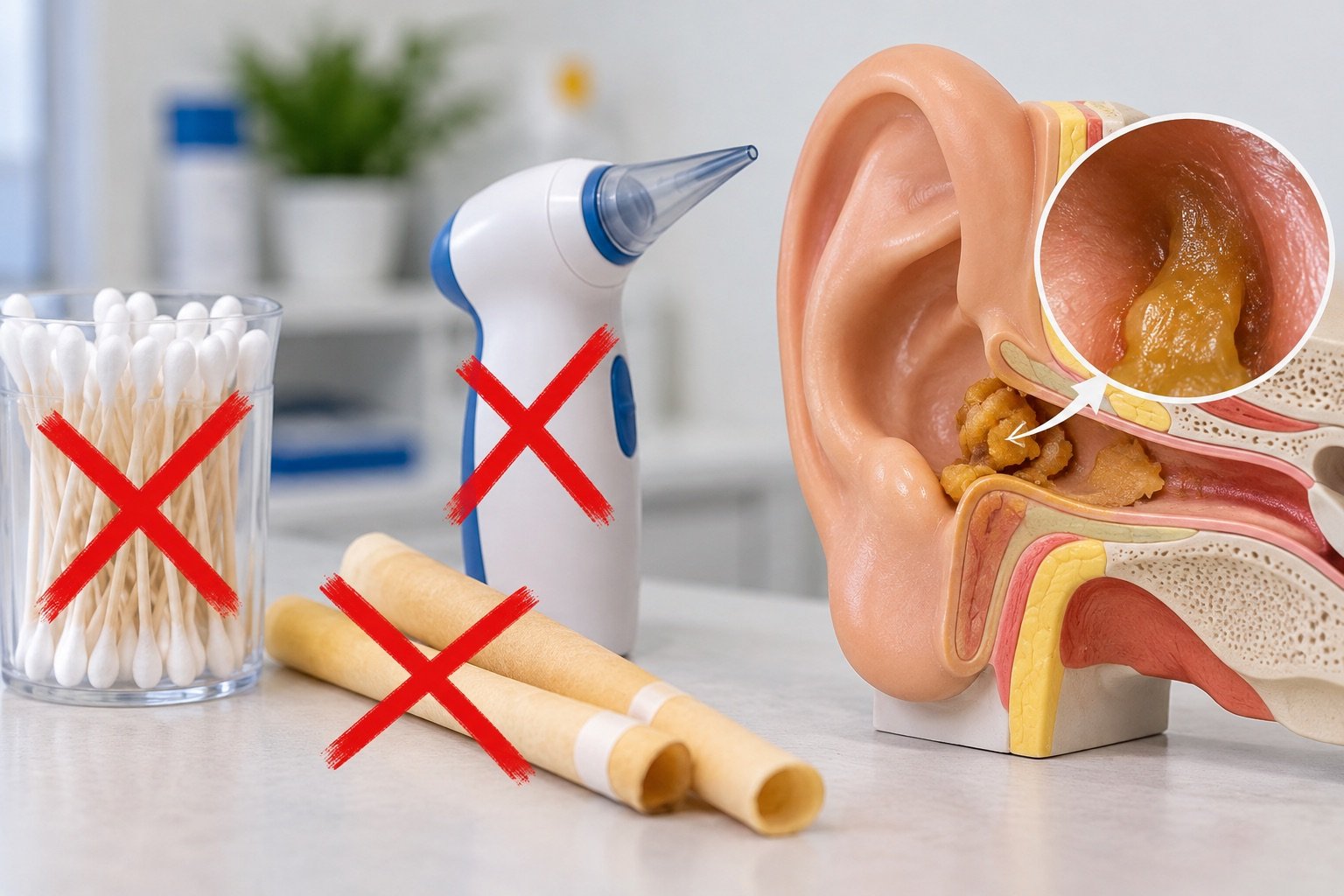
Cotton buds can push ear wax deeper, and there is no evidence that ear candles or home ear vacuums get rid of it. Here is what the HSE advises instead and when wax needs removing.
Simple habits at home, at the pool and in school that help stop warts and verrucas spreading, what the guidance says about swimming and PE, and when to see your GP.

Hearing aids can push ear wax further into the ear, so here is how to keep your aids clear, use softening drops the right way and know when to get your ears checked.

What we found about the medical card, PRSI Treatment Benefit, Vhi, Laya, Irish Life Health and Revenue tax relief for ear wax removal in Ireland, and how to keep your receipt ready for a claim.
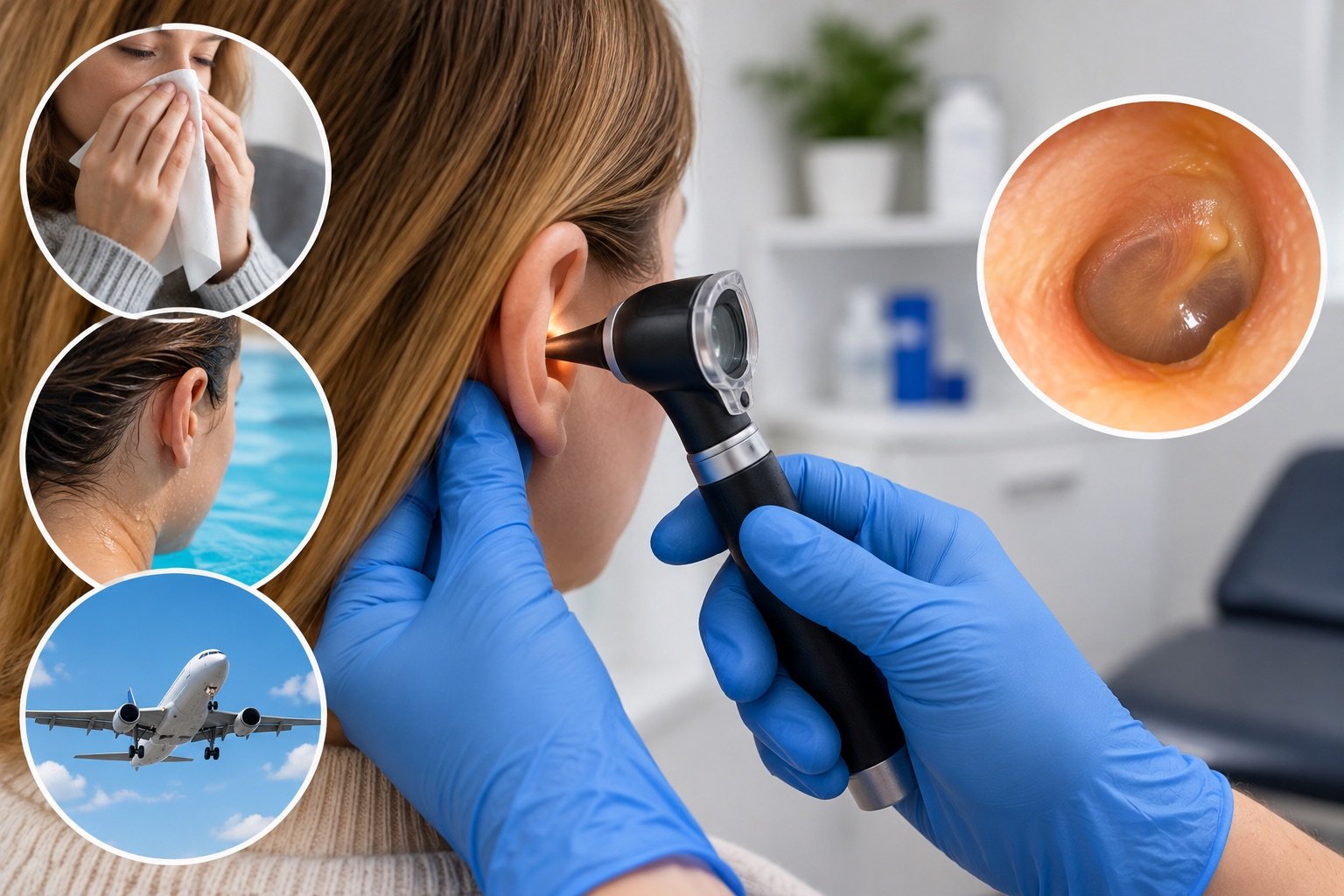
A blocked ear after a cold, a swim or a flight is often down to wax, pressure or infection. This guide explains how to tell them apart, what to try at home and when to see your GP.
How micro-suction and ear syringing differ, what the guidance says about the risks of each, and how to get your ears ready for wax removal.