

- Colds and coughs are generally caused by a virus (antibiotics don’t work!) but can be caused by bacteria (may need antibiotics) or an allergy.
- A virus usually improves within 7–10 days, though the cough can linger for 3–4 weeks.
- A bacterial cold persists longer than 10 days and gets worse as time goes on (fever worsens).
- Both can mean runny/blocked nose, sore throat, cough, tired/achy, fevered, and clear, yellow or green mucus.
- Allergy symptoms include itching, sneezing, watery eyes, runny nose (mucus clear) and no fever.
- Match the medicine to the symptom, dry cough, chesty cough, blocked nose, sore throat and aches each have a different treatment. One ingredient may be all you need.
- Check it against what you already take. Decongestants are not for people on blood-pressure or heart tablets, with diabetes, etc. Dry-cough bottles are to be avoided with antidepressants or asthma. Ibuprofen is to be avoided with blood thinners or blood-pressure medication. These are some of the ones that catch people out.
- Count the paracetamol. Lemsip, Night Nurse, Benylin Day & Night and Panadol all contain paracetamol. Never more than 8 × 500mg in a day.
- Under 6: no cough or cold medicines at all, with the exception of saline, honey (over 1), Bronchostop Junior, vapour products, fluids and Calpol. Any fever, wheezing, noisy breathing, croup-like cough or signs of dehydration: refer to GP.
Stand at any cough-and-cold shelf and you’ll see forty boxes making the same promises. Behind the counter it’s simpler: match the medicine to the symptom, you may only need one item, and check it against the medicines you already take. Below is every type of cough bottle, cold tablet, nasal spray and lozenge we sell, who can’t use each one, exactly what our pharmacists ask before recommending, and when a cough needs a doctor rather than a bottle.
The six to know, one for each job
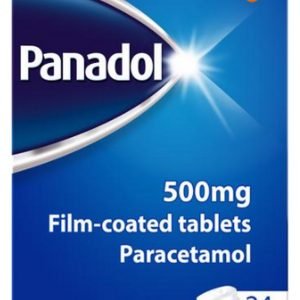 Panadol Pain Relief Tablets Paracetamol 500mg 24s€4.95View
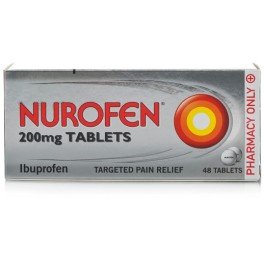 Nurofen Ibuprofen 200mg Tablets 48’s€9.95View
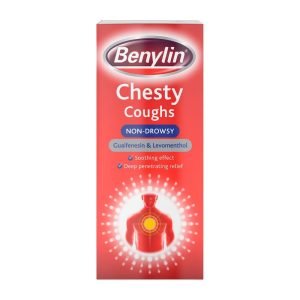 Benylin Chesty Cough Non-Drowsy 125ml€5.95View
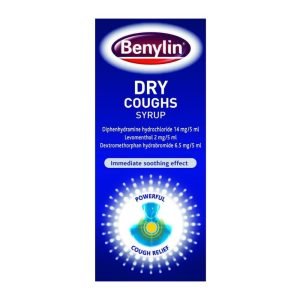 Benylin Dry Cough Syrup 125ml€7.50View
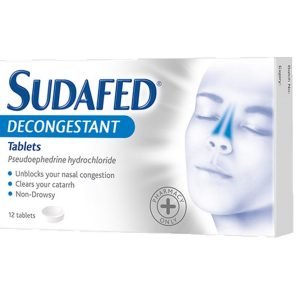 Sudafed Non-Drowsy Decongestant 60mg, 12s€8.45View
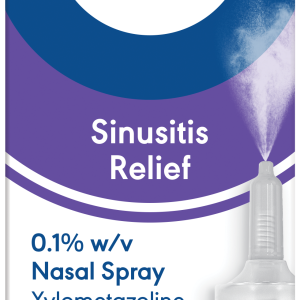 Otrivine Sinusitis Adult Measured Dose 0.1% Nasal Spray 10ml€8.50View
Virus, bacteria or allergy?
| Virus | Bacteria | Allergy |
|---|---|---|
| Generally the cause of colds and coughs. Antibiotics don’t work | May need antibiotics | |
| Usually improves within 7–10 days, though the cough can linger for 3–4 weeks | Persists longer than 10 days and gets worse as time goes on (fever worsens) | No fever |
| Both can mean runny/blocked nose, sore throat, cough, tired/achy, fevered, and clear, yellow or green mucus | Itching, sneezing, watery eyes, runny nose (mucus clear) | |
Start with the symptom, not the brand
A cold/cough is generally a virus. Nothing on the shelf shortens it; the medicines only make the symptoms bearable while your immune system does the work (usually 7–10 days, with a cough that can linger up to three weeks). So the first question is always: which symptom is bothering you most?
| Symptom | What actually helps | What to skip |
|---|---|---|
| Dry, tickly cough, nothing comes up, worse talking or at night | A cough suppressant (dextromethorphan) or a soothing demulcent syrup (glycerine, honey & lemon); lozenges; honey in warm water | Expectorants, they’re for the opposite problem |
| Chesty cough, rattly, phlegm coming up | An expectorant (guaifenesin) or a mucolytic (carbocisteine, ask at the counter), plenty of fluids, steam | Suppressants, don’t trap a productive cough in your chest |
| Night-time cough, fine by day | Treat the cause: post-nasal drip (saline rinse, a decongestant in the morning or sedating antihistamine at bedtime) or reflux (no late meals, an antacid). Extra pillow, honey before bed. Not sleeping: a cough suppressant (dextromethorphan) or a suppressant and drowsy antihistamine in one (diphenhydramine) | Random cough syrups, they rarely fix a night cough |
| Blocked nose / sinus pressure | Saline spray or rinse first; then a decongestant spray (max 7 days) or tablet (pseudoephedrine or phenylephrine) if you’re allowed it; steam; menthol | Decongestants if you have high blood pressure, heart disease or take certain antidepressants, see below. They make you alert, awake and increase heart rate: only for taking earlier in the day |
| Runny nose, sneezing | A sedating antihistamine at night (chlorphenamine / diphenhydramine) dries it up and helps sleep; saline | Non-drowsy antihistamines, they only help if there’s an allergic element |
| Sore throat | Paracetamol or ibuprofen for the pain; anaesthetic/antiseptic lozenges or spray (Strepsils, Difflam); salt-water gargle; warm drinks | Antibiotics, most sore throats are viral |
| Aches, fever, headache | Paracetamol or ibuprofen, cheaper and cleaner than “cold & flu” combos | Doubling up: a Lemsip plus Panadol is two doses of paracetamol |
Not sure whether it’s a cold, the flu or Covid? Our guide to telling cold, flu and Covid apart covers the differences and when to test.
Remedy & interaction checker
Tap your symptoms, then anything that applies to you. We’ll show what fits, what to avoid, and which products on our shelves match. It’s guidance, not a diagnosis, our pharmacists are a WhatsApp away for anything borderline.
Cough bottles, one by one
There are only five things a cough bottle can be, whatever the label says. Read the small print for the ingredient and you’ll know which drawer it belongs in.
| Type | Ingredient | For | Age | Can’t be used / interacts with |
|---|---|---|---|---|
| Suppressant (antitussive) | Dextromethorphan, e.g. Benylin Dry Coughs Non-Drowsy, Robitussin Dry | Dry, tickly cough that stops you sleeping or talking | 12+ | SSRIs/SNRIs, tramadol, MAOIs (serotonin syndrome); certain Parkinson’s medication, other sedatives; not for a chesty cough; not in asthma flare-ups/COPD; max 7 days |
| Sedating suppressant | Diphenhydramine + menthol, e.g. Benylin Dry Coughs Original, Benylin Chesty Original | Night-time cough; you want to sleep | 12+ | Driving next day, alcohol, other antihistamines or sedating night products, glaucoma, prostate, over-65s, asthma/COPD, can worsen constipation |
| Demulcent (soothing) | Glycerine, honey, lemon, simple linctus, e.g. glycerine & aniseed syrup, Bronchostop Junior | Any tickle; children (6+); anyone on lots of other medicines | Usually 1+ (honey only over 1 year) | Essentially none, watch sugar with diabetes (sugar-free versions exist) |
| Expectorant | Guaifenesin, e.g. Benylin Chesty Non-Drowsy, Robitussin Chesty | Chesty cough: thins phlegm so it comes up | 12+ | Very few interactions; don’t combine with a suppressant; drink water with it |
| Mucolytic Pharmacy only | Carbocisteine (Exputex) | Thick, stubborn phlegm; chesty coughs in COPD/bronchitis | 2+ (children’s versions), ask | Active stomach ulcer (carbocisteine); ask if you take blood thinners. Sold at the counter, not online |
What we’d actually reach for: dry cough → honey first, then Benylin Dry; chesty → Benylin Chesty Non-Drowsy and a big jug of water; on lots of medicines or pregnant → a plain glycerine & honey syrup. Most coughs after a cold settle within three weeks whatever you take.
On our shelf: cough bottles and rubs
Benylin Dry Cough Syrup 125ml€7.50ViewBenylin Chesty Cough Non-Drowsy 125ml€5.95View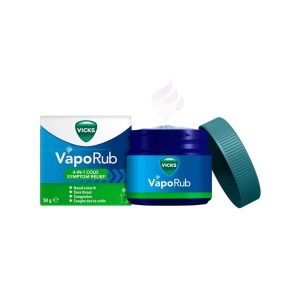 Vicks VapoRub 50g€4.95View
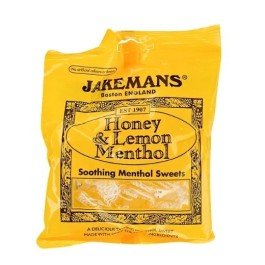 Jakemans Lozenges 73g€2.15View
Cold & flu tablets, sachets and “all-in-ones”
Every combination product is a painkiller plus one or two extras. Knowing which extras are inside is what keeps you safe.
| Product | What’s inside | Good for | Watch out |
|---|---|---|---|
| Lemsip Cold & Flu / Lemsip Max sachets | Paracetamol (500mg / 1000mg) + phenylephrine (decongestant) | Aches, fever and a blocked nose together; a hot drink that feels like it’s doing something | The amount of paracetamol varies between 500mg and 1000mg per dose/sachet. The maximum dose is 4 x 1000mg or 8 x 500mg in 24 hours with at least 4 hours between doses. Phenylephrine: not with high blood pressure, heart disease, MAOIs; diabetes, glaucoma, overactive thyroid, not in pregnancy. Is a stimulant, to be taken earlier in the day |
| Benylin Day & Night | Day: paracetamol + a decongestant. Night: paracetamol + diphenhydramine (sedating) | Colds where you need to function by day and sleep by night | Same paracetamol rule. Night tablets: no driving, no alcohol, not with other antihistamines, not for over-65s ideally. Decongestant: see above |
| Sudafed 60mg Pharmacy only | Pseudoephedrine only | Blocked nose and sinus pressure when you don’t need a painkiller, the strongest tablet decongestant | 12+, max 4 a day. Not with high or uncontrolled blood pressure, heart disease, overactive thyroid, glaucoma, prostate problems, severe kidney disease, MAOIs; caution in diabetes; avoid in pregnancy. Can keep you awake, no doses after 4pm |
| Nurofen Cold & Flu, Nuromol-type combos | Ibuprofen (± paracetamol) + pseudoephedrine | Aches and congestion if you tolerate ibuprofen | All the ibuprofen rules (stomach, blood pressure, kidneys, asthma, blood thinners, pregnancy) plus all the decongestant rules |
| Night Nurse-type liquids | Paracetamol + promethazine (sedating) + dextromethorphan | One dose at bedtime when everything hurts and you can’t sleep | Three ingredients, three sets of interactions: antidepressants etc (dextromethorphan), sedatives/alcohol/driving (promethazine), paracetamol counting |
| Plain paracetamol or ibuprofen | One ingredient | Honestly, most colds, cheaper, and you can add a single decongestant or syrup only if you need it | Paracetamol max 4g (8 × 500mg) in 24 hours from all sources; ibuprofen with food, max 1200mg a day over the counter. Ask about ibuprofen with blood pressure tablets, stomach ulcer, blood thinners, other NSAIDs or an allergy to ibuprofen |
Deciding between the two painkillers? Our guide to ibuprofen vs paracetamol and whether you can take them together covers it.
On our shelf: cold & flu tablets and sachets
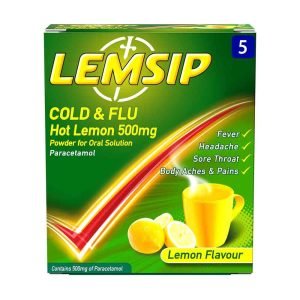 Lemsip Cold & Flu Lemon 500mg 10 Pack€7.25View
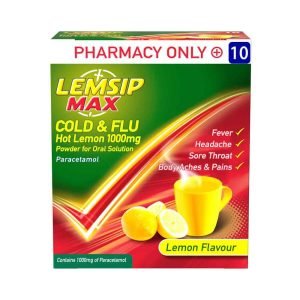 Lemsip Max Cold & Flu Lemon 1000mg 10 Pack€8.95View
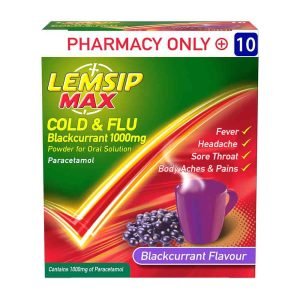 Lemsip Max Blackcurrant 10 Pack€8.50View
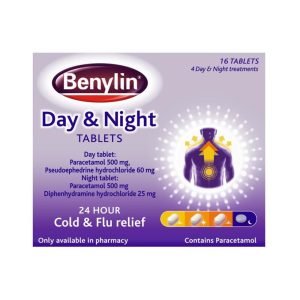 Benylin Day & Night Tablets 16 Pack€9.95ViewSudafed Non-Drowsy Decongestant 60mg, 12s€8.45ViewPanadol Pain Relief Tablets Paracetamol 500mg 24s€4.95View
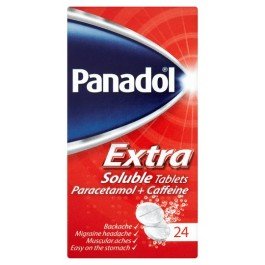 Panadol Extra Pain Relief Soluble Tablets Caffeine 500mg/65mg 24s€10.95ViewNurofen Ibuprofen 200mg Tablets 48’s€9.95View
Decongestants: tablets vs sprays, and when you can’t use them
A blocked nose is swollen blood vessels in the lining, not just mucus. Decongestants shrink those vessels, which is exactly why they can also raise blood pressure.
Nasal sprays and drops
- Otrivine spray / drops (xylometazoline 0.1%) and Vicks Sinex (oxymetazoline): work in minutes, last 8–10 hours. Adults and children 12+ only. Maximum 7 days, use for longer causes “rebound” congestion that’s worse than the cold. This is usually reversible after stopping but prolonged overuse can damage the nasal lining. Avoid with MAOI antidepressants, uncontrolled high blood pressure, glaucoma; not in pregnancy unless a pharmacist says so; can sting and dry the nose.
- Sterimar saline spray and NeilMed sinus rinse: sea water or salt solution. No drug, no interactions, safe in pregnancy, for babies (drops) and for as long as you like. Use before a medicated spray so it reaches the lining. The rinse is the single most effective thing for sinus pressure.
- Vicks inhaler stick, Olbas, Vicks VapoRub: menthol, eucalyptus and camphor give a cooling “I can breathe” feeling for 10–20 minutes. No interactions with medicines. VapoRub is for 2 years and up, chest and back only, never in or under the nostrils, and go easy near the face if there’s asthma. Snufflebabe can be used from 3 months, is applied to the chest. Olbas oil isn’t for a baby’s skin; use the children’s version on bedding.
Decongestant tablets
Pseudoephedrine (Sudafed, Benylin Day tablets, Nurofen Cold & Flu) is the effective one and is pharmacy-only in Ireland, we’ll ask a couple of questions before selling it. Phenylephrine (Lemsip, most supermarket “cold & flu” tablets) is weaker; the evidence for it is thin, so if congestion is your main problem, a spray or saline rinse usually beats it.
On our shelf: sprays, drops, saline and menthol
Otrivine Sinusitis Adult Measured Dose 0.1% Nasal Spray 10ml€8.50View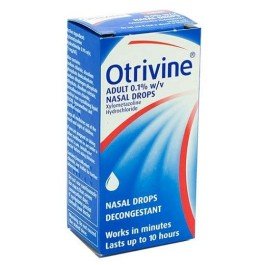 Otrivine Decongestant Adult 0.1% Nasal Drops 10ml€8.10View
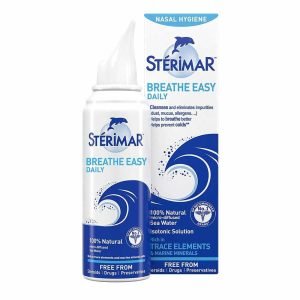 Sterimar Breathe Easy Daily Nasal Spray 100ml€13.95View
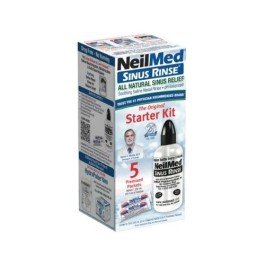 NeilMed Sinus Rinse Starter Kit€15.95View
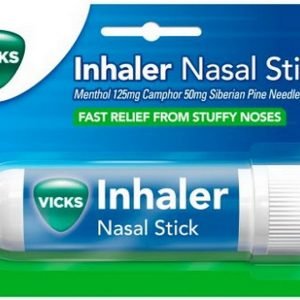 Vicks Inhaler Nasal Decongestant Stick – 5ml€5.45View
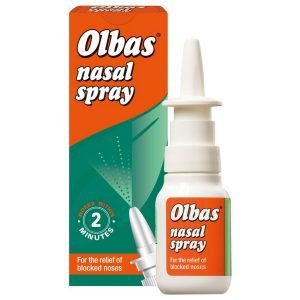 Lanes Olbas Nasal Spray 20ml€9.10View
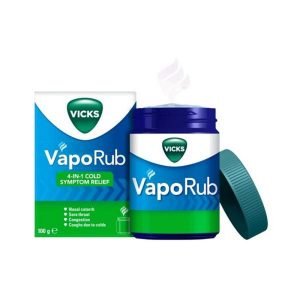 Vicks VapoRub Inhalation Vapour Ointment 100g€11.25View
Sore throat: lozenges, sprays and what really works
- Painkillers first. Regular paracetamol or ibuprofen relieves throat pain better than any lozenge; a soluble version gargled then swallowed works fastest.
- Antiseptic lozenges, Strepsils, Strepsils Extra (adds a mild anaesthetic): 6 years and up, one every 2–3 hours, max 12 a day. Strepsils Plus (adds a stronger local anaesthetic, lidocaine) numbs for about an hour, don’t eat hot food while numb. Strepsils Intensive lozenges contain an anti-inflammatory painkiller, flurbiprofen, like ibuprofen, and so should not be taken with ibuprofen, but can be with paracetamol.
- Anti-inflammatory spray, Difflam (benzydamine) spray or lozenges: genuinely reduces swelling; 6+; avoid if you’re allergic to aspirin or ibuprofen.
- Soothers, Jakemans, honey, warm drinks, salt-water gargle (half a teaspoon in a glass): no interactions, just comfort. Most are sugary, mind them with diabetes.
- When it’s not just a sore throat: can’t swallow saliva, drooling, a muffled “hot potato” voice, swelling on one side, a rash, or a child with fever and no cough (possible strep), doctor today. Lasting more than a week, or you’ve had four or more bad ones this year, GP.
On our shelf: sore throat
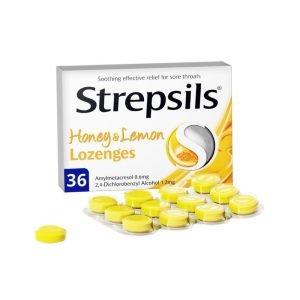 Strepsils Honey & Lemon 36 Pack€7.55View
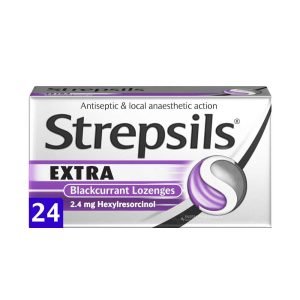 Strepsils Extra Blackcurrant 24 Pack€6.95View
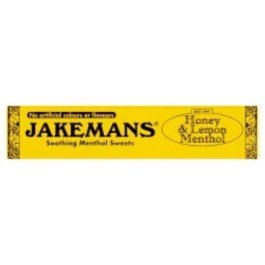 Jakemans Soothing Menthol Lozenges Honey & Lemon 41g€1.45ViewPanadol Extra Pain Relief Soluble Tablets Caffeine 500mg/65mg 24s€10.95View
Antihistamines use in a cold (and the “drowsy” trap)
Old-style antihistamines, chlorphenamine (Piriton), diphenhydramine (Benylin Originals, Benylin Night), promethazine (Night Nurse, Phenergan), dry a streaming nose and help you sleep, which is why they’re in every “night” product. The price is drowsiness that lasts into the morning, plus dry mouth and, in older people especially on other sedating medications, confusion and falls. Don’t combine two of them (Piriton plus a Night product is common), don’t add alcohol, and don’t drive on them. Non-drowsy antihistamines (cetirizine, loratadine, fexofenadine) do almost nothing for a cold; they’re for hay fever and allergies, where they’re excellent.
On our shelf: antihistamines
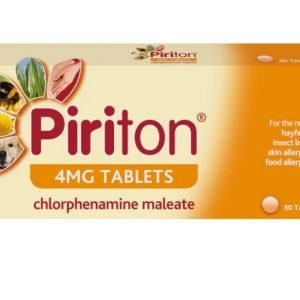 Piriton Allergy Tablets 4mg, 30s€7.95View
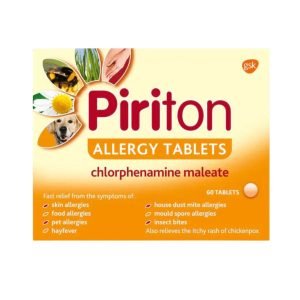 Piriton Allergy Relief Tablets Chlorphenamine 4mg 60s€16.70View
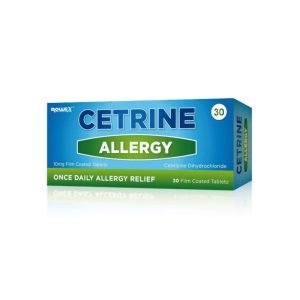 Cetrine Allergy 10mg Tablets, 30s€8.95View
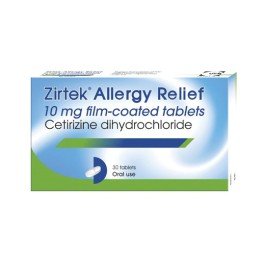 Zirtek Allergy Relief 10mg 30 Pack€12.75View
Interactions with the medicine you already take
Bring your list to the counter or WhatsApp us a photo of the boxes, but here’s the quick version pharmacists run through in their heads.
| If you take / have | Avoid | Use instead |
|---|---|---|
| Blood pressure or heart medicines; previous heart attack or stroke | Pseudoephedrine, phenylephrine, decongestants (Sudafed, Lemsip, Benylin Day and Night, Sinutab) | Saline spray/rinse, steam, menthol, paracetamol. Decongestant sprays are suitable short-term if blood pressure is controlled |
| Antidepressants, SSRIs (sertraline, escitalopram…), SNRIs (venlafaxine), tramadol, St John’s wort | Dextromethorphan (Benylin Dry Non-Drowsy, Night Nurse, Robitussin Dry) | Glycerine/honey syrup, lozenges; ask before any combination |
| MAOI antidepressants (phenelzine, moclobemide, selegiline), now or in the last 14 days | All decongestants and dextromethorphan and diphenhydramine | Saline, steam, paracetamol only, and tell us |
| Warfarin, apixaban, rivaroxaban, clopidogrel, aspirin | Ibuprofen, aspirin-containing products, Nurofen (ibuprofen) and Nurofen products, Difflam if aspirin-allergic. Use Bronchostop with caution | Paracetamol (short courses; warfarin users watch INR with regular use) |
| Ramipril, lisinopril, perindopril, enalapril (ACE inhibitors) | A cough bottle for a cough these tablets may be causing; ibuprofen (kidney strain, especially with a water tablet) | Talk to your GP about the cough; paracetamol for pain |
| Diabetes | Sugary syrups and lozenges in quantity; decongestants push glucose up | Sugar-free syrups (ask), saline, paracetamol; check glucose more often |
| Asthma or COPD | Ibuprofen/aspirin unless you know you tolerate them; suppressants during a flare; VapoRub near the face | Paracetamol; expectorants; your reliever inhaler as prescribed, a flare needs your GP, not a syrup |
| Kidney disease | Ibuprofen, pseudoephedrine, high-dose combos | Paracetamol, saline, honey |
| Liver disease or heavy alcohol use | Multiple paracetamol products; sedating antihistamines with alcohol | Paracetamol at the lowest effective dose, ask us about limits |
| Glaucoma or enlarged prostate | Sedating antihistamines, decongestants | Saline, steam, paracetamol, honey syrups |
| Epilepsy | Sedating antihistamines (can lower seizure threshold), high-dose decongestants | Paracetamol, saline, demulcent syrups |
| Over 65 | Sedating antihistamines (falls, confusion, urinary retention), decongestants | Saline, steam, honey, paracetamol; lower ibuprofen doses only if kidneys are fine |
| Pregnant | Ask the pharmacist. Decongestant tablets and sprays, ibuprofen (especially after 20 weeks), most cough bottles, Difflam | Paracetamol, saline, steam, honey, simple lozenges |
| Breastfeeding | Ask the pharmacist. Pseudoephedrine (reduces milk), sedating antihistamines | Paracetamol, ibuprofen, saline, honey, glycerine syrup |
| Other sedatives, sleeping tablets, strong painkillers, alcohol | Drowsy antihistamines, codeine linctus, sedating night products | Non-drowsy options only |
Children: the rules are strict for good reason
- Under 6: no over-the-counter cough or cold medicines at all, they don’t work in this age group and the risks aren’t worth it. Bronchostop Junior can be given as a soothing alternative but use in under 3 year olds requires pharmacist consultation. Use Calpol or children’s ibuprofen for fever or discomfort, saline drops and a nasal aspirator for a blocked nose, fluids, and honey (over 1 year only, never for babies).
- 6 to 12: cough and cold products are pharmacy-only and given on pharmacist advice, dosed by age and weight. Adult syrups, Sudafed tablets, adult-strength nasal sprays and lozenges that could be a choking hazard are out.
- 12 and over: most adult products are fine at the pack dose, but a 12-year-old still gets the paracetamol-counting rule and the 7-day spray rule.
- See a doctor today for a barking (croup) cough, wheeze or fast breathing, ribs sucking in, a baby under 3 months with any fever, refusing fluids, or a rash that doesn’t fade under a glass. Our child fever guide walks through each one.
On our shelf: for children
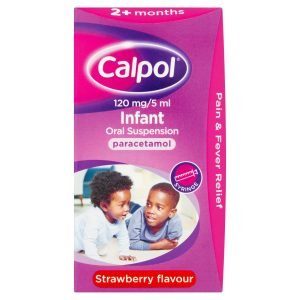 Calpol Infant Suspension 2+ Months, 140ml€7.45View
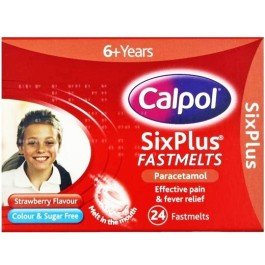 Calpol Fastmelts 250mg Colour Free Tabs 12s€3.95View
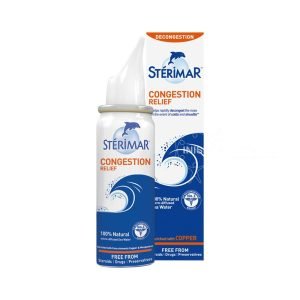 Sterimar Congestion Relief 50ml€7.95ViewSterimar Breathe Easy Daily Nasal Spray 100ml€13.95View
When a cough or cold needs a doctor, not a bottle
A post-viral cough can linger up to 8 weeks after the cold has gone, annoying, not dangerous, but the 3-week mark is when we want it checked, because that’s also where chest infections, asthma and the odd more serious cause start to show. Chest infections in high-risk adults can be assessed and treated under the pharmacist prescribing service, see what pharmacists can prescribe in Ireland. And the best cold-and-flu medicine of all is still the flu vaccine.
Frequently asked questions
How do I know if my cold is viral or bacterial?
A virus usually improves within 7–10 days, though the cough can linger for 3–4 weeks. A bacterial cold persists longer than 10 days and gets worse as time goes on (fever worsens), and may need antibiotics. Both can mean runny/blocked nose, sore throat, cough, tired/achy, fevered, and clear, yellow or green mucus. Antibiotics don’t work on a virus.
Is it a cold or an allergy?
Allergy symptoms include itching, sneezing, watery eyes, runny nose (mucus clear) and no fever. A cold can mean runny/blocked nose, sore throat, cough, tired/achy and fevered, with clear, yellow or green mucus.
What is the best cough medicine for a dry cough?
For a dry, tickly cough: honey in warm water first (it holds up in trials), then a dextromethorphan suppressant such as Benylin Dry Coughs Non-Drowsy for the daytime, or the sedating “Original” version at night. Skip expectorants, they’re for chesty coughs, and avoid dextromethorphan if you take an SSRI, SNRI or tramadol.
What is the best medicine for a chesty cough?
An expectorant (guaifenesin, Benylin Chesty Non-Drowsy) or a pharmacy mucolytic such as carbocisteine, plus plenty of water and steam. Don’t suppress a productive cough; it’s clearing the infection.
Can I take Sudafed with blood pressure tablets?
No. Pseudoephedrine raises blood pressure and heart rate and can undo what your tablets are doing; the same applies to phenylephrine (Lemsip, Sinutab). Use a saline spray or sinus rinse, steam and menthol instead, and paracetamol for aches. Decongestant sprays are suitable short-term if blood pressure is controlled.
Can I use Otrivine for more than a week?
No, 7 days maximum. After that the nose lining rebounds and becomes more blocked than before, a cycle that can last years. If you’re still blocked at day 7, switch to saline and see us.
Can I take Lemsip and paracetamol together?
No. In Lemsip, the amount of paracetamol varies between 500mg and 1000mg per dose/sachet. The maximum dose is 4 x 1000mg or 8 x 500mg in 24 hours with at least 4 hours between doses. Panadol on top counts towards that same limit, so count every paracetamol-containing product.
Which cough medicine is safe with antidepressants?
A simple glycerine, honey & lemon syrup or plain lozenges. Avoid dextromethorphan (most “dry cough” bottles and Night Nurse) with SSRIs, SNRIs, tramadol or MAOIs, and avoid all decongestants with MAOIs. Bring the name of your antidepressant and we’ll match a product.
Can I give my child cough medicine?
Not under 6, with one exception: Bronchostop Junior can be given as a soothing alternative, but use in under 3 year olds requires pharmacist consultation. Between 6 and 12, only a children’s product chosen and dosed by the pharmacist. Fever and discomfort: Calpol or children’s ibuprofen. Blocked nose: saline drops. Honey from 1 year. Any wheeze, noisy breathing, croup-like cough or signs of dehydration: GP.
Is it safe to take cough medicine when pregnant?
Most bottles aren’t recommended. Paracetamol, saline spray, steam, honey and simple lozenges are the pregnancy kit; avoid decongestant tablets and sprays and ibuprofen. Ask us before anything else.
Why has my cough lasted three weeks?
A post-viral cough can linger up to 8 weeks, but three weeks is the point to get it checked for a chest infection, asthma or, in smokers, something more. Blood, breathlessness, chest pain or weight loss mean don’t wait.
Tell us your symptoms and the tablets you take
Send a photo of your medicine boxes and describe the cough, our pharmacists will pick the one product that fits, or tell you honestly when the answer is honey, saline and patience. Portlaoise collection or delivery nationwide.
How our pharmacists decide what to recommend
There’s no mystery to it. Every recommendation at our counter runs through the same short checklist, and knowing it helps you get the right thing faster, whether you’re standing in front of us in Portlaoise or messaging us on WhatsApp.
What we’ll ask you, and why
Five quick questions, thirty seconds, and it’s how we avoid the two mistakes that matter: the wrong product for the cough, and a product that clashes with your other medicines.
- Who is it for? Age changes everything. Under 6: no cough or cold medicines, saline, honey (over 1 year), fluids, Calpol or children’s ibuprofen. 6–12: a children’s product we choose and dose by weight. Adult syrups, Sudafed and adult nasal sprays start at 12. Vicks VapoRub from 2. Lozenges and throat sprays from 6.
- What exactly are the symptoms? Dry or chesty? Blocked or streaming? Fever? That decides the shelf: suppressant vs expectorant, decongestant vs antihistamine, painkiller vs nothing at all.
- How long has it been going on? A cold: 7–10 days. A cough after it: up to 3 weeks. Beyond that, or getting worse after a week instead of better, we’d rather you saw a GP than bought another bottle.
- What have you already taken today? This is the paracetamol count. Lemsip, Benylin Day & Night, Night Nurse, Solpa-Extra, Panadol Night and plain paracetamol all count. One at a time, four hours apart, no more than eight 500mg doses in 24 hours, less if you have liver problems, weigh very little or drink heavily.
- What else do you take, including the ones people forget? Blood-pressure and heart tablets, antidepressants, blood thinners, inhalers, HRT, the pill, nasal sprays, sleeping tablets. Each one rules something in or out: blood pressure/heart → no decongestants; SSRIs, SNRIs, tramadol, MAOIs → no dextromethorphan; MAOIs → no decongestants either; warfarin, apixaban, rivaroxaban → no ibuprofen or aspirin products; ramipril-type tablets → the cough may be the tablet, not a cold.
- Why we ask before selling Sudafed Pseudoephedrine is pharmacy-only for a reason: it raises blood pressure and heart rate. We’ll check for high or uncontrolled blood pressure, heart disease, an overactive thyroid, glaucoma, prostate trouble, kidney disease, diabetes, pregnancy or breastfeeding, and MAOI antidepressants. If any apply, we’ll hand you saline, menthol and paracetamol instead, and we won’t sell more than one pack.
- Anything marked “drowsy” Chlorphenamine, diphenhydramine and promethazine (Piriton, Benylin Originals, Night Nurse) mean no driving, no alcohol, and not on top of another antihistamine or sleeping tablet. We steer people over 65 away from them altogether because of falls and confusion.
- Nasal sprays get a stop date Otrivine and Sinex work brilliantly for 7 days and then start causing the congestion. We’ll write the last day on the box. Saline first, at any age, for as long as you like.
- Pregnant or breastfeeding Paracetamol, saline, steam, honey and simple lozenges. No decongestant tablets or sprays, no ibuprofen after 20 weeks, and no dry-cough or codeine bottles without checking with us first.
- Old bottles in the press Pholcodine linctus was withdrawn in 2023, bring it in for disposal and mention it if you’re ever having an anaesthetic. Codeine linctus is pharmacist-only, short courses, over-12s, never online.
- When we’ll send you to your GP instead A cough over 3 weeks · coughing up blood · breathlessness, wheeze or chest pain · fever over 39.5°C or lasting more than 3 days · worse after 7–10 days · unexplained weight loss or night sweats · a smoker whose cough has changed · COPD, heart failure, diabetes or a weakened immune system with a chest infection · a baby under 3 months with any fever · a barking cough, noisy breathing or ribs sucking in · a rash that doesn’t fade under a glass · unable to swallow saliva or a swollen one-sided throat. Adults who qualify can also be assessed for a chest infection under the pharmacist prescribing service.
- What you’ll never get from us The big “max strength” box when a €3 single-ingredient one fits better. One ingredient beats five, it’s cheaper, safer, and it’s how we’d treat our own families.