

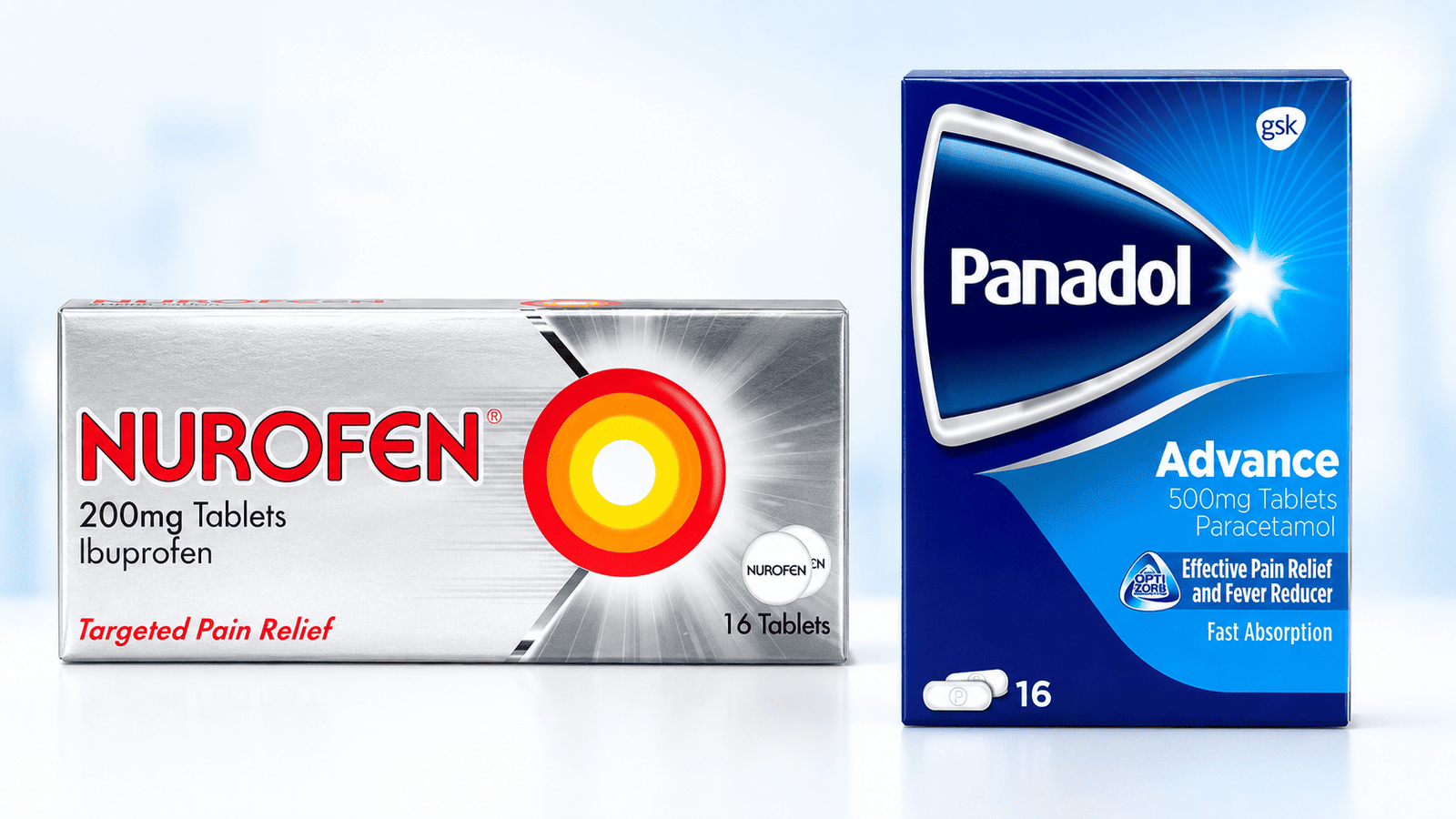
Paracetamol (such as Panadol) is usually the first choice for headaches, fever and everyday aches. Ibuprofen (such as Nurofen) is usually better when pain comes with swelling, such as sprains, back pain, period pain or toothache, but some people should avoid it. Here is how to choose, with adult doses, from our pharmacy team.
What is the difference?
Paracetamol eases pain and brings down a temperature. Ibuprofen is a non-steroidal anti-inflammatory drug (an NSAID), so as well as easing pain and fever it also reduces inflammation and swelling. That difference is what usually decides which one suits you.
When paracetamol is usually the better choice
- Headaches and most everyday aches and pains
- Fever, including in children
- If you have a stomach ulcer, asthma that is triggered by anti-inflammatories, kidney problems, heart failure, or you are pregnant, paracetamol is generally the more suitable option
When ibuprofen is usually the better choice
- Pain with clear swelling or inflammation, sprains, strains, back pain, period pain, toothache and dental pain
- Take it with or just after food
How much can you take?
Always read the leaflet in the pack, as strengths vary. As a general guide for adults:
- Paracetamol: one or two 500mg tablets, up to four times in 24 hours. Never take more than eight 500mg tablets (4g) in 24 hours, and leave at least four hours between doses. If you weigh under 50kg, or drink alcohol regularly, you may need a lower dose, ask us.
- Ibuprofen: when you buy it without a prescription, the usual dose is 200 to 400mg up to three times a day, with a maximum of 1200mg in 24 hours. Take it with food.
Do not take more than one product containing the same medicine at once, many cold and flu remedies already contain paracetamol.
Who should be careful with ibuprofen?
Check with a pharmacist or your GP before taking ibuprofen if you have a history of stomach ulcers or indigestion, asthma, high blood pressure, heart failure, or kidney or liver problems, or if you are in the last three months of pregnancy. Ibuprofen can also interact with other medicines, including blood thinners such as warfarin, certain antidepressants (SSRIs), aspirin, and some blood-pressure medicines, where it can raise the risk of bleeding or affect the kidneys. If you take regular medication, have a quick word with us before using it.
Can you take paracetamol and ibuprofen together?
The HSE advises not to take paracetamol and ibuprofen at the same time unless your GP tells you to, and to ask your GP or pharmacist how to use the two together. For spacing, daily limits and advice for children, see our guide to taking paracetamol and ibuprofen together.
Painkillers for children
Children’s doses are based on age and weight, not the adult amounts above. Use the children’s paracetamol or ibuprofen product for their age, follow the syringe or spoon provided, and ask us if you are unsure.
When to ask your pharmacist
Pop in or message us if your pain lasts more than a few days, keeps coming back, comes with a high fever, or if you are already on regular medication. We are happy to help you pick the right option.
References
- Health Service Executive (HSE). Paracetamol. hse.ie
- Health Service Executive (HSE). NSAIDs, including ibuprofen. hse.ie
- British National Formulary (BNF), Paracetamol and Ibuprofen monographs. NICE/BNF.
- Stockley’s Drug Interactions (NSAIDs, anticoagulants, SSRIs, antihypertensives). Pharmaceutical Press.
This article is general information and does not replace advice from your pharmacist or GP. Reviewed by the pharmacy team at Laois Pharmacy.
\n
Related reading: Can You Take Paracetamol and Ibuprofen Together?
Pain relief you can buy from us today
The everyday painkillers our pharmacists reach for, with delivery across Ireland.
 Panadol Pain Relief Tablets Paracetamol 500mg 24sParacetamol for pain and fever, gentle on the stomach€4.95View product
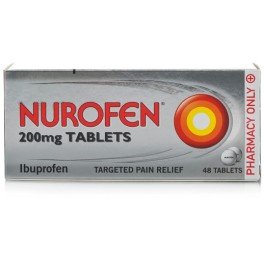 Nurofen Ibuprofen 200mg Tablets 48'sIbuprofen 200mg for inflammation, swelling and period pain€9.95View product
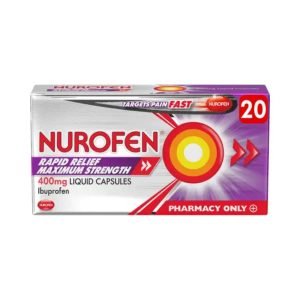 Nurofen Rapid Relief 400mg Tablets, 20sIbuprofen 400mg for stronger, faster relief€9.95View product
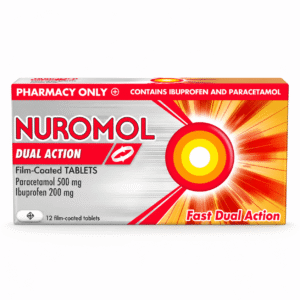 Nuromol Dual Action Tablets (Paracetamol 500mg + Ibuprofen 200mg)Paracetamol and ibuprofen in one tabletFrom €10.95View product
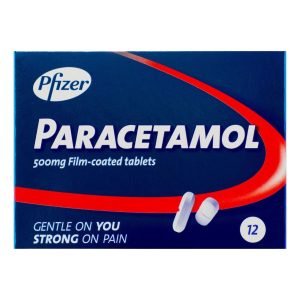 Pfizer Paracetamol 500mg Film-Coated Tablets, 12 TabletsBudget paracetamol, same active ingredient€2.05View product
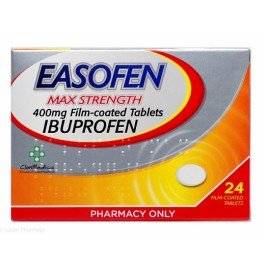 Easofen 400mg Max Strength Ibuprofen 24 TabletsMaximum strength ibuprofen 400mg€10.95View product
Medicines are sold subject to a short pharmacist questionnaire at checkout. Ask our pharmacist on WhatsApp if you are unsure what suits you.