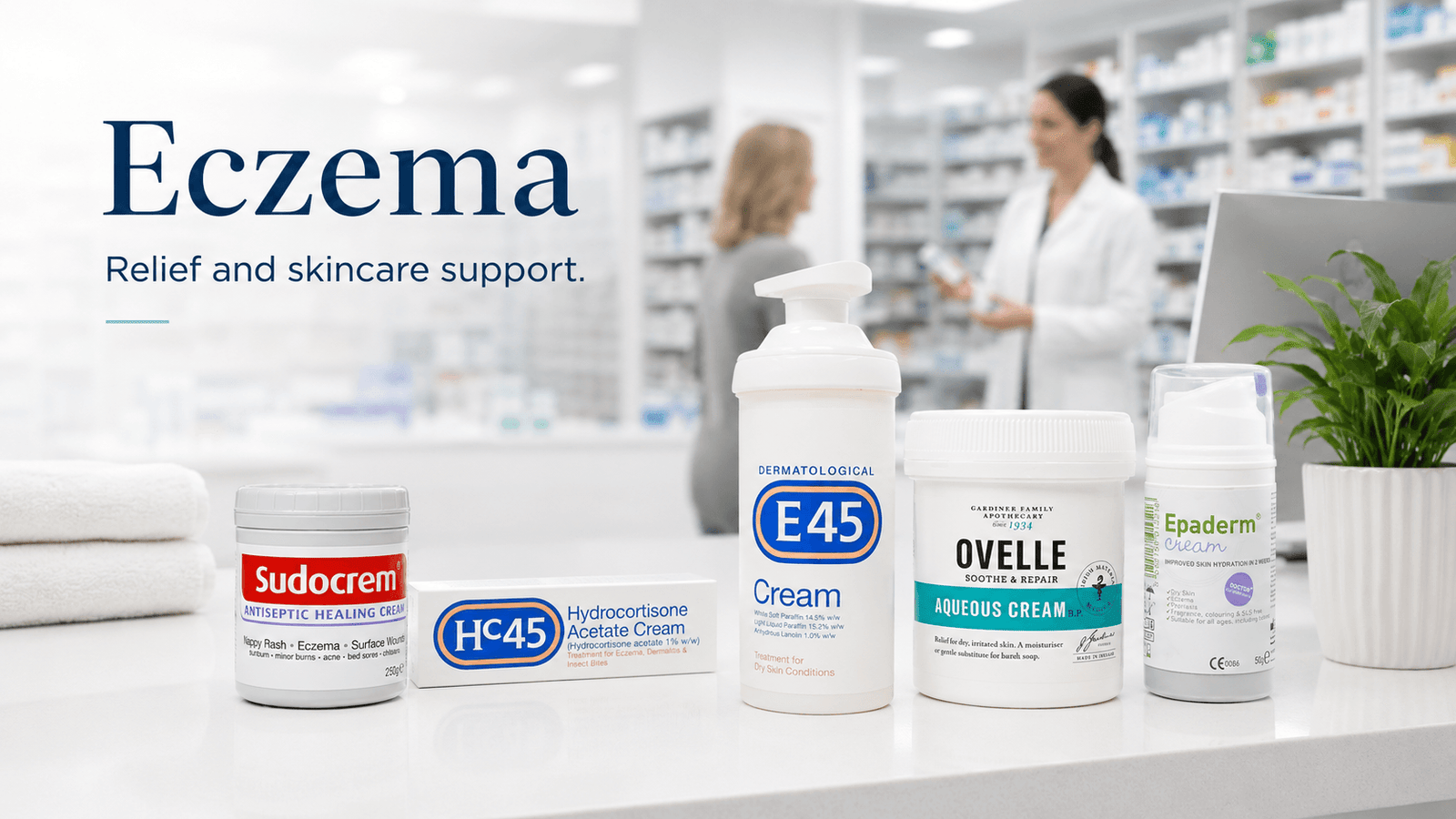
If you or someone in the family has eczema, here is the whole thing in plain English, with one simple picture that makes it all click. Five minutes from now you will know exactly what eczema is and what to do about it at home.
Think of a set of window blinds
Picture your skin as a window, and your skin barrier as the blinds. When those blinds sit closed the way they should, they keep the good stuff in, which is your skin’s own moisture, and they keep the outside world out, things like soap, weather, dust, pet hair and germs.
With eczema, the blinds are stuck open. All day, every day. So two things happen at once. Your moisture escapes, which is why eczema skin feels dry, tight and flaky. And the outside gets straight in, which irritates the skin, sets off the itch, and leads to those red, angry patches.
Here is the good news. Almost everything that helps eczema comes down to one idea: give the skin a protective layer so it can act like closed blinds again. That layer is a moisturiser, and using it well is the single most important thing you will do.
What our staff say at the counter
This is how we talk it through with people, and it doubles as a quick guide for our own team.
🧭 The one line version
Eczema means the skin barrier leaks, like blinds stuck open. So we do two jobs: put a protective layer back on with moisturiser every day, and calm the redness when it flares.
🧠 The 20 second saying
“Think of your skin barrier like window blinds. With eczema they are stuck open, so moisture leaks out and irritants get in, and that is the dryness and the itch. A good moisturiser used every day is your protective layer that keeps the blinds closed. Steroid creams are just for calming a flare on top of that.”
💊 What we recommend
- Every day, for everyone: A generous moisturiser, at least twice a day, even when the skin looks fine. Aveeno Dermexa for great value, or La Roche-Posay Lipikar Balm AP+M for a richer feel, or Epaderm Cream as a great-value everyday emollient.
- Washing: Swap soap for a gentle wash like Lipikar Syndet AP+. Soap strips the barrier and opens the blinds wider.
- Babies: Gentle and fragrance free, like Aveeno Baby Soothing Relief.
- Flare (red and inflamed): Short course of a mild steroid such as hydrocortisone 1 percent, with our advice.
⚠️ Always check
- No steroid creams on a baby’s skin or the face without pharmacist or GP advice.
- Cracked, weeping or crusted skin can be infected. Send them to the pharmacist or GP.
- Not settling in a week or two, spreading, or wrecking their sleep? See the GP.
💬 The tip people thank us for
Moisturise within a few minutes of the bath or shower, while the skin is still slightly damp. It traps the water in. And keep a tub everywhere, by the sink, by the bed, in the bag, so it actually gets used.
What is really going on in eczema
Eczema, or atopic dermatitis to give it the full name, is not caused by poor hygiene and it is not contagious. It is a barrier problem, often running in families alongside asthma and hay fever.
Two things make the blinds sit open. First, many people with eczema make less of a protein called filaggrin, which helps build a firm barrier.2 Second, the skin is short on ceramides, the natural oils that act like mortar between your skin cells. With weak bricks and missing mortar, water leaks out and irritants get in. That triggers the itch, the scratch makes it worse, and round it goes.
Lotions, creams and ointments
A lot of people don’t realise these aren’t the same thing. It comes down to how much oil each one holds, and more oil means better protection:
Cooling and easiest to rub in, but they hold the least oil and often contain preservatives that, in some people, can cause an allergic reaction.
Hold far more oil, so they lock moisture in much better. For most eczema, a good cream beats a lotion.
The strongest at sealing the skin, the trade-off is they feel heavy, and they should never be used on weeping eczema.
There’s no single “right” one, it depends on your skin and how bad things are right now. Pop in and ask our pharmacist to match one to you; Adex Gel is one many people find soothing during a flare.
Washing with eczema
Washing is where a lot of people accidentally make eczema worse, but a few small changes make a big difference.
💧 The thing most people miss: water dries the skin
Water actually dries out eczema-prone skin, and ordinary soap, plus the chlorine in a swimming pool, strips it even more. So swap soap for an emollient wash: used in the bath or shower, it leaves a thin layer of moisturiser behind that undoes the drying. For example La Roche-Posay Lipikar Syndet, Aveeno Dermexa, or even aqueous cream or Silcock’s Base. Some emollients contain an antiseptic too, for example Oilatum Plus.
- Keep baths and showers short and warm, not hot, hot water strips the skin’s natural oils.
- Pat dry gently, don’t rub, and leave the skin slightly damp.
- Moisturise within a few minutes of washing, while the skin still holds the water.
The routine that actually works
It is refreshingly simple, and it is the same advice the guidelines give: moisturisers first, for every severity, every day.1
- Wash gently. Short, warm (not hot) baths or showers, and a soap substitute instead of soap.
- Moisturise a lot, and often. This is the protective layer. At least twice a day, and always within a few minutes of washing.
- Calm the flares. When a patch goes red and angry, a short course of a steroid cream settles it, ask our pharmacist for advice on using it alongside your moisturiser.
- Keep going when it clears. The blinds are still weak even when the skin looks good, so daily moisturiser keeps them closed.
Build your own routine
Answer four quick questions and we will suggest a simple starting plan. This is general guidance, not a diagnosis, so check with our pharmacist if you are unsure.
Recommended for you
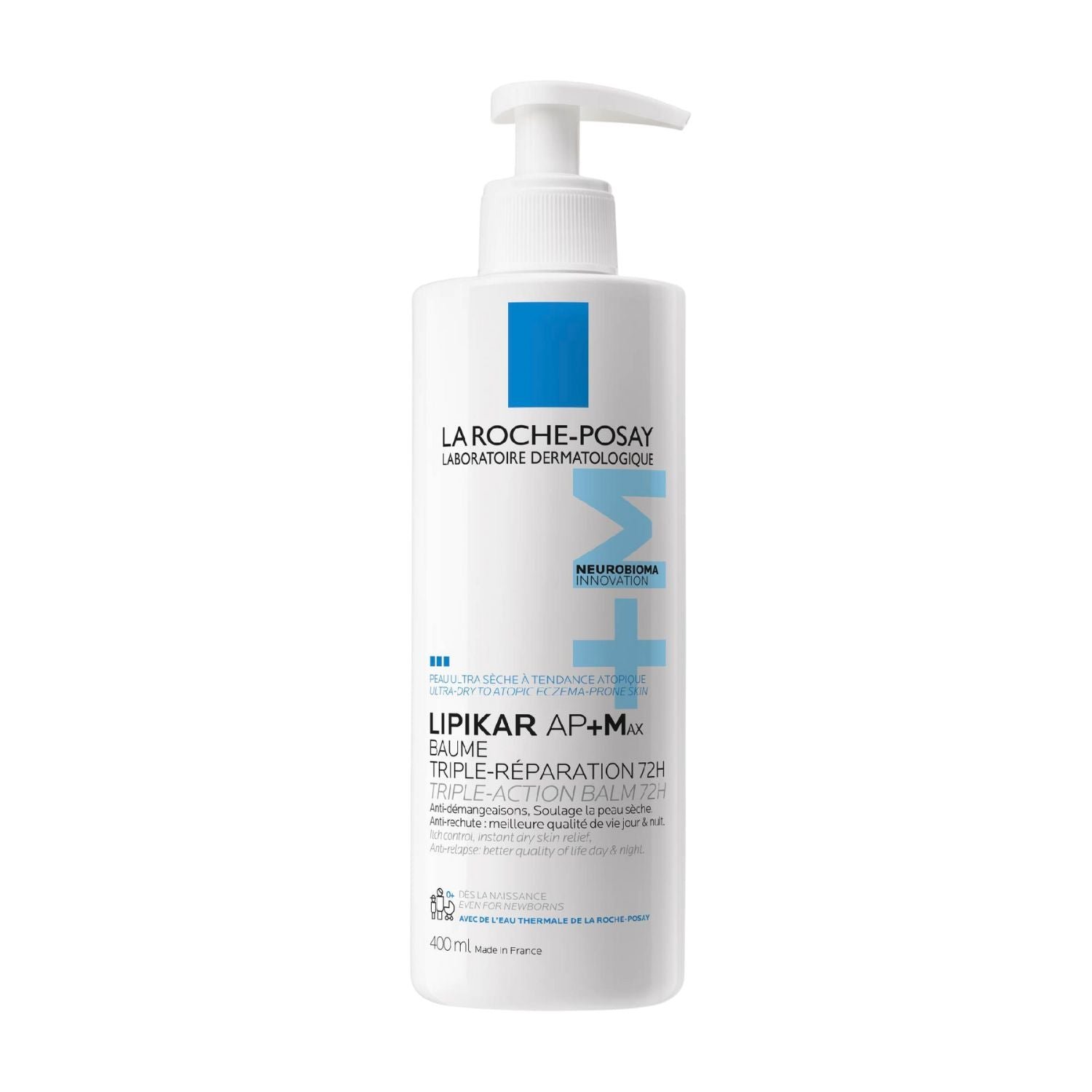
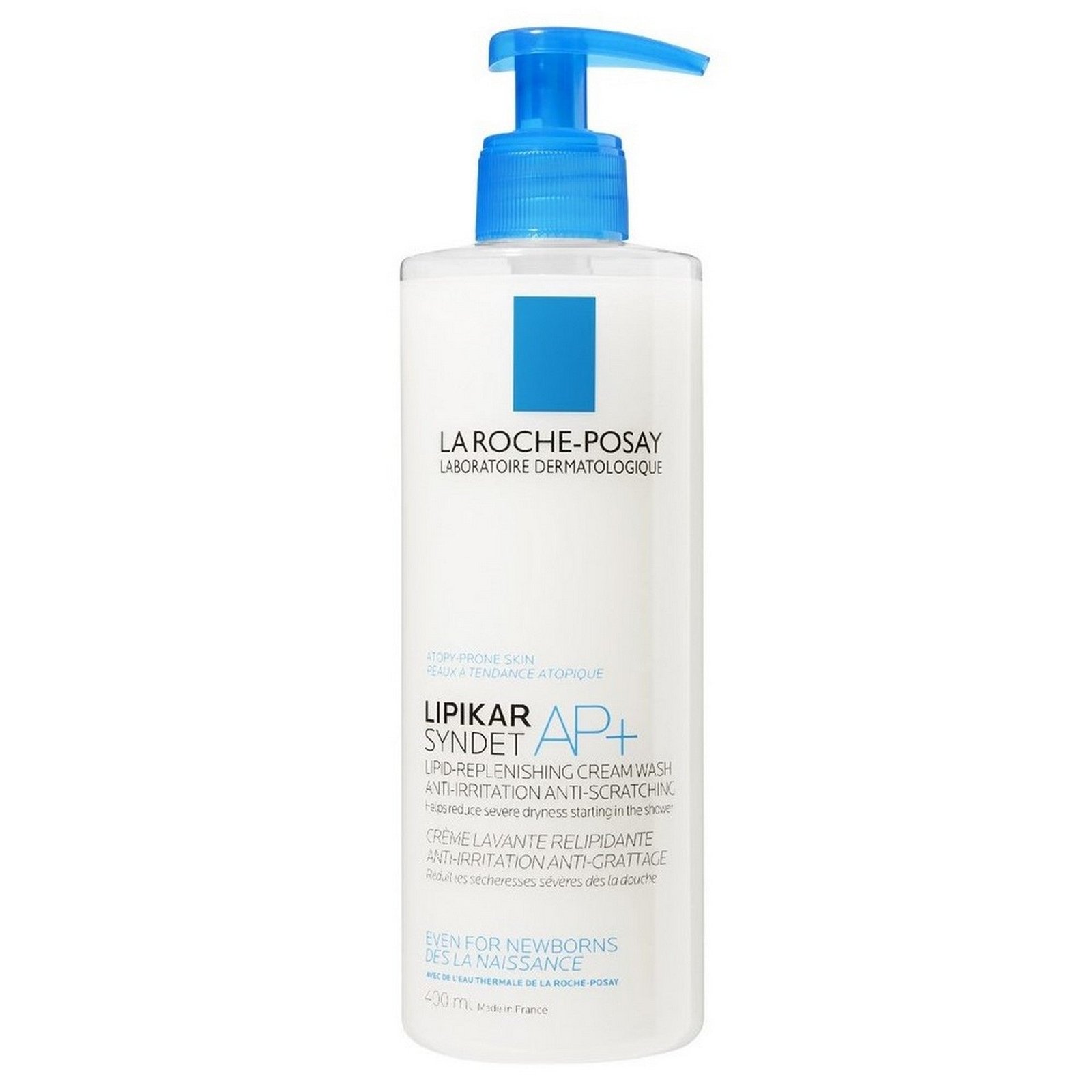
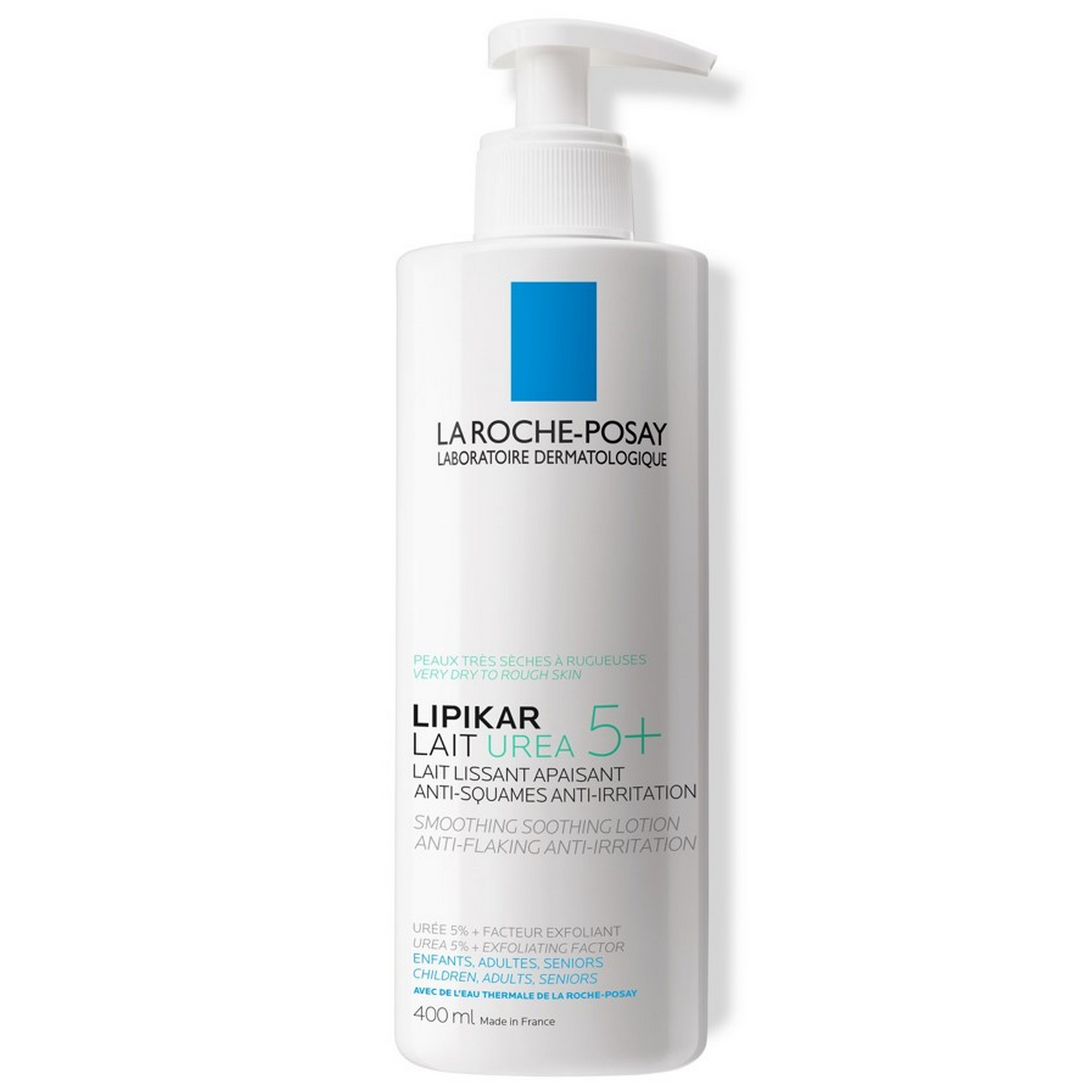
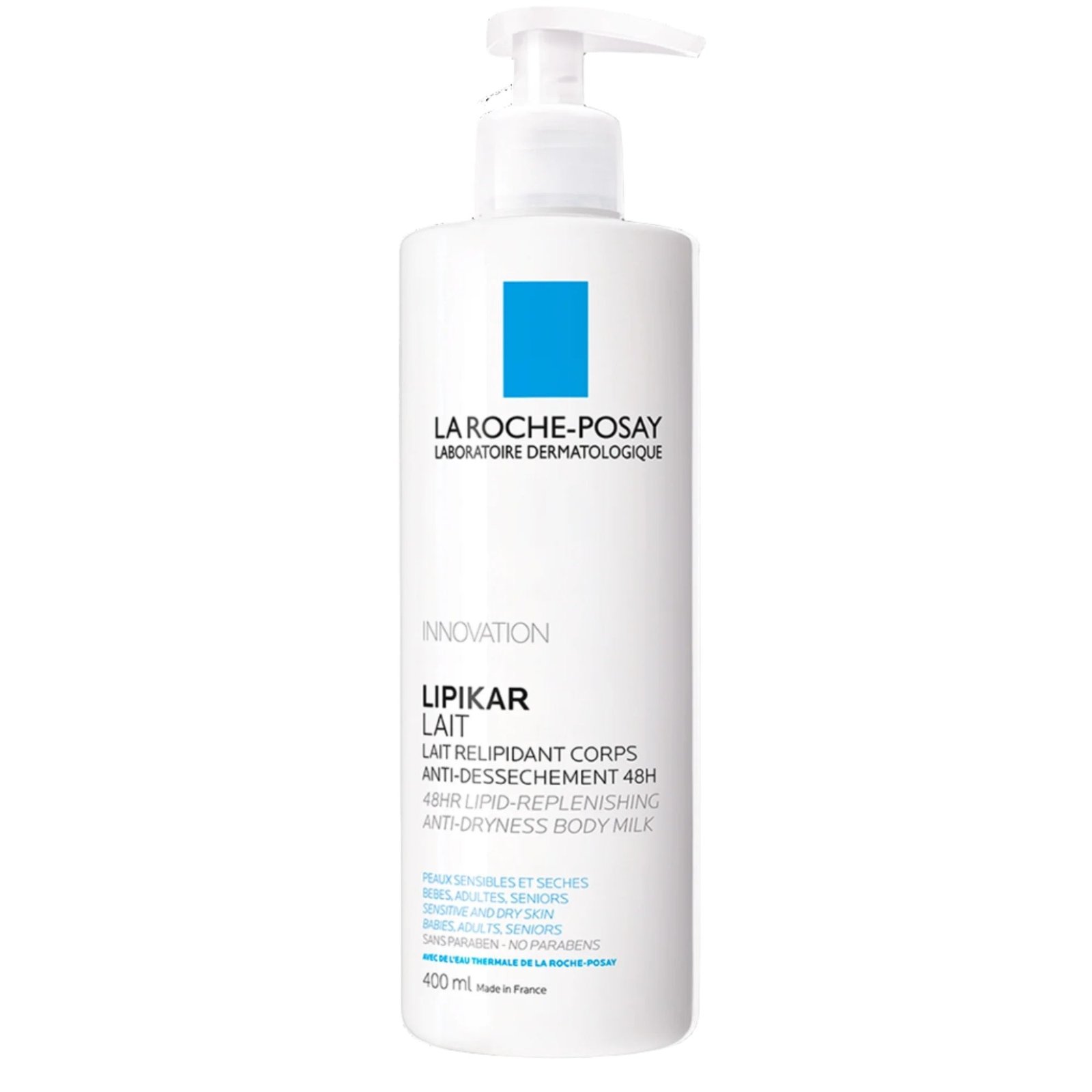
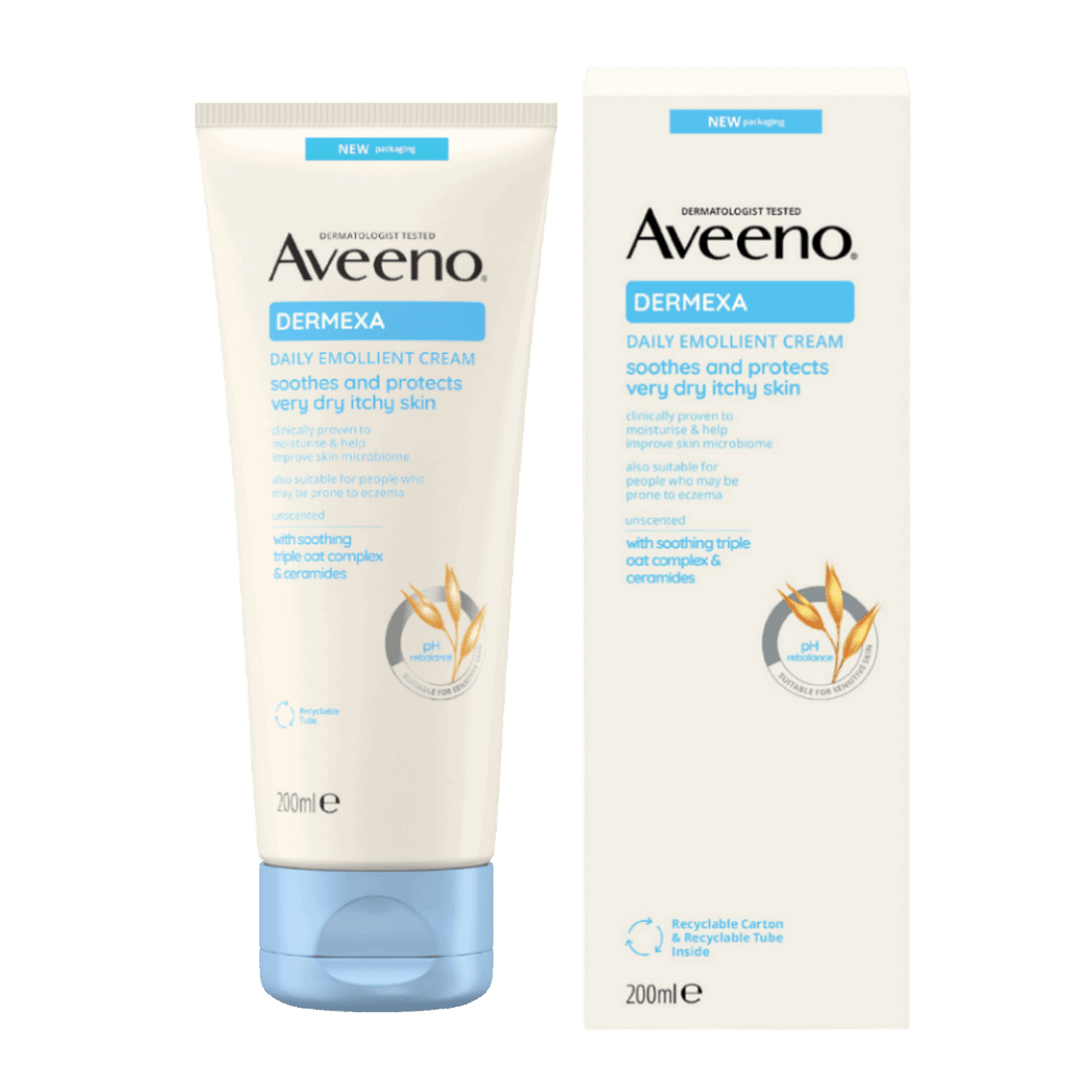
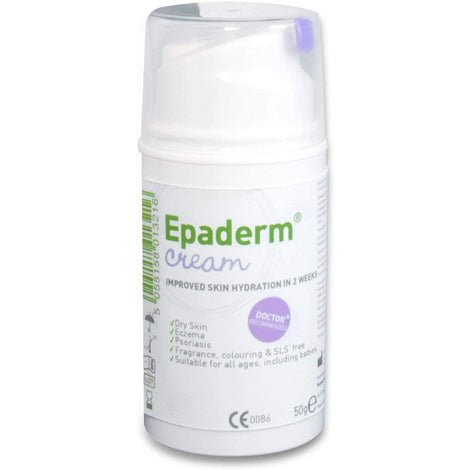
Choosing a moisturiser, and the La Roche-Posay Lipikar range
The right moisturiser is honestly the one the person will actually use every day. Thicker ones (balms and ointments) protect most but feel heavier. Lighter ones (lotions) are pleasant but need reapplying more often. A common plan is a lighter cream by day and a richer balm at night.
La Roche-Posay Lipikar is a popular, well tolerated range built for eczema prone and very dry skin, so here is the simple difference between the main ones:
| Product | What it is | Good for |
|---|---|---|
| Lipikar Balm AP+M (€26) | The rich, everyday repair balm | The hero. Very dry, itchy, eczema prone skin. Soothes and rebuilds the barrier |
| Lipikar Syndet AP+ (€21) | A creamy wash, a soap substitute | Cleansing without stripping the skin. Use in the shower instead of soap |
| Lipikar Lait Urea 5+ (€27.50) | A lotion with urea | Rougher, thicker, very dry or scaly skin that needs extra smoothing |
| Lipikar Lotion (€21.50) | A light everyday body lotion | General dry skin and easy daily use over larger areas |
| Epaderm Cream (€3.75) | A no frills emollient that also works as a soap substitute | The simplest, lowest cost daily option, and a gentle wash instead of soap |
Prefer great value? Aveeno Dermexa (colloidal oat and ceramides) and Aveeno Baby are excellent everyday choices too. Browse the full Aveeno range. For the simplest, lowest cost option, Epaderm Cream is a no frills emollient that also works as a soap substitute. Newer moisturisers that add ceramides are worth looking out for, because topping up that missing mortar has been shown to strengthen the barrier.3
When it flares: calming the fire
Moisturiser keeps the blinds closed, but once a patch is red and inflamed you often need to calm it down. A short course of a topical steroid, like hydrocortisone 1 percent for mild cases, does exactly that, ask our pharmacist for advice on using it alongside your moisturiser. A few sensible rules apply:
- Use it on the red patches only, thinly, for a few days, not as a daily moisturiser.
- Be cautious on the face and with babies and young children. Ask us first.
- If mild steroids are not settling it, that is a reason to see the GP, not to keep going alone.
What sets it off: triggers
Triggers are simply the things that get through those open blinds and stir up the skin. Everyone is different, but common ones are soap and bubble baths, heat and sweat, wool and rough fabrics, cold dry weather, stress, and sometimes pet hair or dust. You do not need to hunt down every trigger, just notice any obvious pattern and go gentle.
What is new in eczema care
For most people, the moisturiser and short steroid plan works well. But for moderate to severe eczema that does not settle, treatment has genuinely leapt forward in the last couple of years, and it is worth knowing what your doctor can now offer:
- Injection treatments Such as dupilumab, which calm the specific part of the immune system driving eczema.4
- Tablets called JAK inhibitors (for example abrocitinib and upadacitinib) that can reduce itch and clear skin quickly in severe cases.4
- New steroid free creams Approved in 2024, such as tapinarof and roflumilast, giving more options for sensitive areas.5
- Steroid-free ointments like Protopic (tacrolimus), an anti-inflammatory that’s handy for delicate areas such as the face and eyelids, where steroids aren’t ideal.
These are prescription treatments guided by a doctor or dermatologist, but the message is hopeful: nobody needs to just put up with severe eczema any more.
- The skin is cracked, weeping, crusted or looks infected.
- It is not improving after a week or two of good moisturising, or it keeps coming back.
- It is widespread, on a baby, or badly disturbing sleep.
- You are not sure it is eczema at all. We are always happy to take a look.
The bottom line
Eczema is a barrier that leaks, like blinds stuck open. Put the protective layer back on every day with a good moisturiser, wash gently, calm the flares when they come, and keep going even when the skin looks clear. Do that, and most eczema becomes very manageable. Not sure where to start? Pop in and our pharmacist will build you a simple plan in a minute or two.
General information for education and staff training, not a substitute for individual medical advice. Always speak to your pharmacist or GP about what is right for you or your child.
References
- NICE and NICE CKS. Atopic eczema: emollients are first line for all severities, used every day for moisturising and washing. nice.org.uk.
- Reviews of filaggrin and the skin barrier in atopic dermatitis: filaggrin loss of function and reduced barrier proteins increase water loss and allergen entry. 2023 to 2025.
- Topical physiologic lipids (ceramides) rebalance the stratum corneum and strengthen skin barrier function in skin prone to atopic dermatitis. 2024 to 2025.
- American Academy of Dermatology guidelines (2024): biologics such as dupilumab and JAK inhibitors (abrocitinib, upadacitinib) for moderate to severe atopic dermatitis.
- New topical non steroid treatments approved in 2024: tapinarof (Vtama) and roflumilast (Zoryve) creams for atopic dermatitis.