
Magnesium is having a real moment. It is in sleep gummies, muscle sprays, calm drinks and half the supplements on the shelf. Some of the hype runs ahead of the evidence, but magnesium genuinely matters: it is involved in over 300 reactions in your body, from muscles and nerves to energy and bones. The trick is knowing which form to pick, because that matters far more than the milligrams on the front.
Find the right one for you
Not sure where to start? This quick tool points you to a sensible form, and every product it mentions is in the range below.
What magnesium actually does
Magnesium is a workhorse mineral. Backed by EU-authorised science, it contributes to normal muscle function, normal energy-yielding metabolism, the reduction of tiredness and fatigue, the normal functioning of the nervous system, normal psychological function and the maintenance of normal bones and teeth. In plain terms, it helps your muscles relax, your nerves fire properly, your body make energy, and your mind stay on an even keel.
Might you be low?
A lot of people run a little short, because modern diets and processed food deliver less than they used to. Adults need roughly 300 to 400 mg a day [1]. Good food sources are nuts, seeds, wholegrains, beans and lentils, leafy greens and even a little dark chocolate. Signs you might be low include muscle cramps or twitches, tiredness, poor sleep and feeling wired but tired. If in doubt, start with food, and a supplement can help fill the gap.
The forms explained, this is the important bit
This is where most people go wrong, buying on price or milligrams alone. Here is what each common form is mainly used for.
| Form | Mainly used for | Good to know |
|---|---|---|
| Bisglycinate (glycinate) | Sleep, calm, muscle relaxation | Very well absorbed and gentle on the stomach |
| Citrate | Regularity and general top-up | Well absorbed, with a mild laxative effect |
| Oxide | Short-term constipation | Cheap but poorly absorbed, strong laxative effect |
| Malate | Energy and muscle | Bound to malic acid, often used for daytime |
| Marine / from seawater | A natural everyday source | Provides a spread of minerals |
| Taurate | Heart and blood pressure | Bound to taurine |
What the evidence says, by use
Sleep. Small studies, mostly in older or low-level adults, suggest magnesium can improve sleep quality, though the overall evidence is modest [2]. A gentle form like bisglycinate in the evening is the usual pick.
Muscle cramps. Here we are honest with people. A Cochrane review found magnesium is unlikely to help everyday cramps in older adults, though it may help some pregnancy-related cramps [3]. Plenty of people still find it useful, so it can be worth a fair trial.
Migraine. This is one of the stronger uses. Neurology guidelines rate magnesium as probably effective for preventing migraine, usually at higher daily doses taken under guidance [4].
Blood pressure. Pooled trials show magnesium produces a small reduction in blood pressure, on the order of a couple of points [5]. Helpful as part of the bigger picture, not a treatment on its own.
Energy, stress and mood. Because magnesium contributes to normal energy metabolism, the nervous system and psychological function, it is a sensible support if you are run down or stretched, especially if your intake is low.
The range we stock, grouped by what you need
Tap to browse the magnesium range we stock
Here is our magnesium range, sorted by the reason people usually reach for one. Prices and stock are live.
For sleep, calm and cramps (bisglycinate)
Gentle, well-absorbed magnesium bisglycinate, the go-to for winding down and muscle relaxation.
 PrizMAG Magnesium Bisglycinate Capsules 90S€23.95View product
 Prizmag Magnesium Bisglycinate 150 Capsules, Gentle on Stomach€34.50View product
For energy and every day
All-rounders for tiredness and daily cover, including Revive Active with added B6.
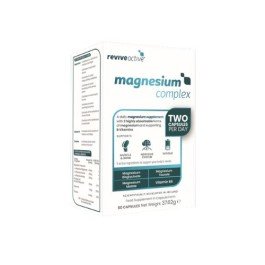 Revive Active Magnesium Complex 60 capsules€23.95View product
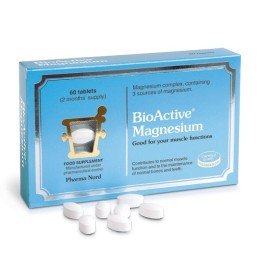 Pharma Nord BioActive Magnesium Tablets 60’s€11.75View product
For regularity and easy absorption (citrate)
Citrate forms are well absorbed and gently help things move.
 Magnesium Verla Granules 20 Sachets€10.95View product
 MAG365 Magnesium Powder Unflavoured, 150g€22.95View product
 Solgar Magnesium Citrate, 60 TabletsOut of stockView product
For bone health (with calcium)
Magnesium works alongside calcium to maintain normal bones.

How to choose, our quick checklist
- Start with the reason. Sleep, cramps, regularity or a simple top-up, each points to a different form.
- Look at the form, not just the milligrams. A well-absorbed 200 mg can beat a poorly-absorbed 400 mg.
- Go gentle to start. Too much, too soon, especially oxide or citrate, can loosen your bowels.
- Give it two to four weeks. Then judge whether it is actually helping.

What our staff say at the counter
- The 30 second version: The milligrams matter less than the form. For sleep and calm, magnesium bisglycinate like PrizMAG. For energy, a complex like Revive Active. For regularity, a citrate like Magnesium Verla. For a simple daily top-up, Pharma Nord. Tell us what you want it for and we will match the form.
- Our most asked-for pick: By a mile, magnesium bisglycinate for sleep and winding down, because it is well absorbed and easy on the stomach.
- The honest bit on cramps: The evidence is mixed, so we will not oversell it. It helps some people and not others, and it is worth a fair trial to find out.
- Go easy at first: If a magnesium loosens your bowels, the dose is too high or the form is not right for you, so it is worth choosing the right form from the start, and our pharmacists are always happy to help you get it right.
- We will flag interactions: Magnesium can block some antibiotics, thyroid tablets and osteoporosis medicines if taken together, so we will tell you how many hours to leave between them.
Can you take too much?
From food, no, your body handles it. From supplements, yes, if you overdo it. The most common sign is loosened bowels or cramping, especially with oxide or citrate. The upper level for magnesium from supplements is about 250 mg a day for most adults, on top of what you get from food [6], so there is no need to megadose.
The bottom line
Magnesium is genuinely useful, and a few of its roles are rock solid. The mistake is grabbing whichever tub has the biggest number on it. Pick the form that fits what you need, start gently, give it a fair few weeks, and ask us if you are not sure. That is exactly what we are here for.
References
- European Food Safety Authority (EFSA). Dietary reference values and authorised health claims for magnesium.
- Systematic reviews of magnesium supplementation and sleep quality (for example Mah and Pitre, 2021).
- Garrison SR, et al. Magnesium for skeletal muscle cramps. Cochrane Database of Systematic Reviews. 2020.
- American Academy of Neurology and American Headache Society. Guideline on preventive treatment of migraine (magnesium rated probably effective). 2012.
- Zhang X, et al. Effects of magnesium supplementation on blood pressure: a meta-analysis. Hypertension. 2016 (34 trials).
- European Food Safety Authority (EFSA). Tolerable upper intake level for supplemental magnesium (250 mg per day).
This article is general information reviewed by our pharmacy team, not individual medical advice. If you have a medical condition, take regular medication, or are pregnant, check with us or your GP before starting a supplement.