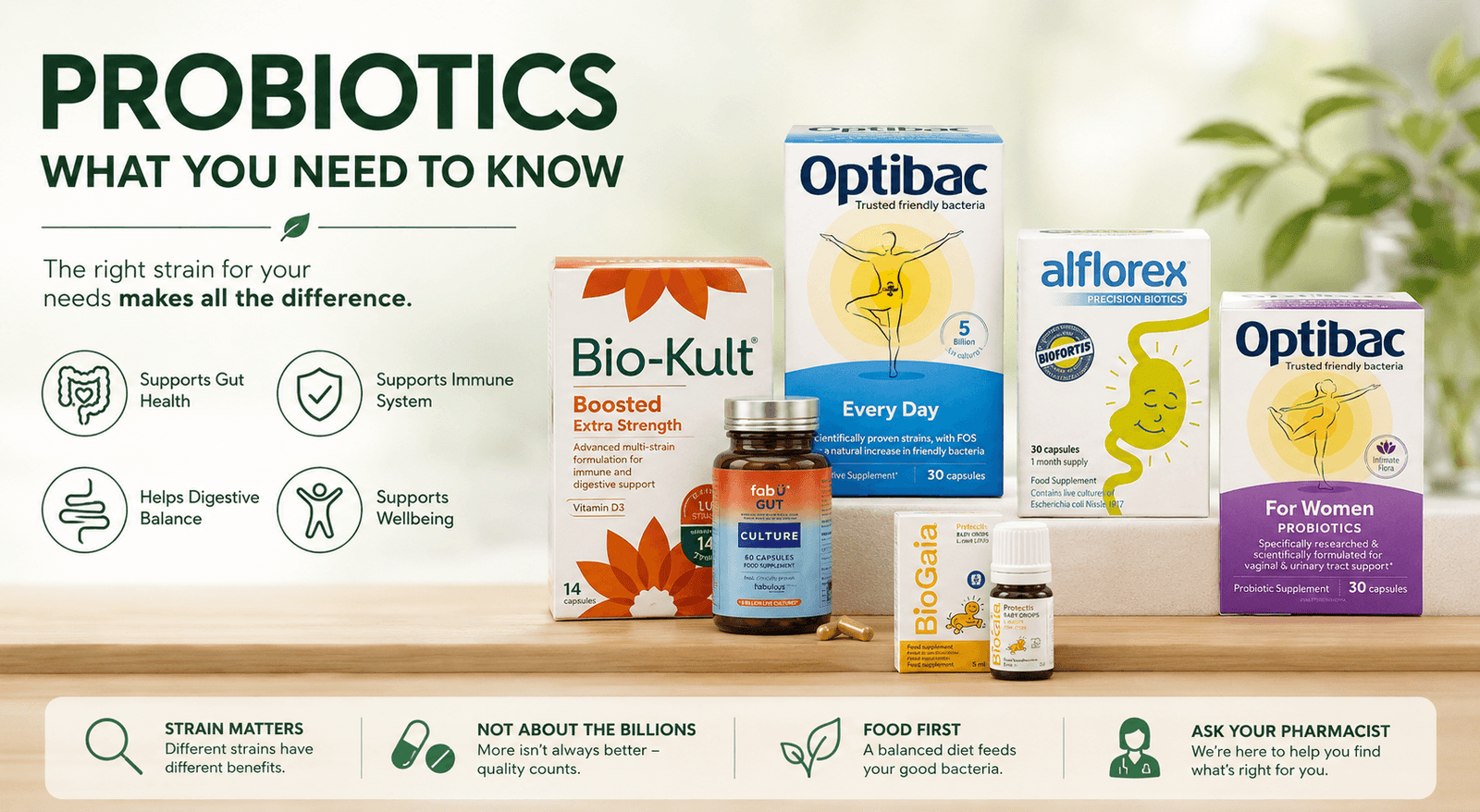
When someone leans on the counter and asks “which probiotic should I take?”, the honest answer starts with a question back: what do you want it to do? There is no single right probiotic. The reason you are taking it, the exact strain in the box, and the dose that was actually studied all matter far more than the biggest “billions” number on the front.
Find the right one for you
Not sure where to start? This quick tool points you in a sensible direction, and every product it mentions is stocked below.
So what actually is a probiotic?
A probiotic is a live microorganism that, taken in a big enough amount, can give a health benefit. The key word is specific. A label that just says "Lactobacillus" or "friendly bacteria" does not tell you much. Ideally it names the genus, species and strain, for example Bifidobacterium longum 35624. Two strains from the same family can behave completely differently, so evidence for one does not automatically carry over to another [1].
Two related words get mixed up. A prebiotic is a food for your gut microbes, usually certain fibres. A synbiotic is a combination of the two. They are not the same thing as a probiotic.
Why the "billions" number can fool you
CFU means colony forming units, a lab estimate of how many live microbes are in a dose. A bigger number looks stronger, but probiotics do not work like a painkiller where more milligrams means more effect. Some studied strains work at surprisingly low counts. The World Gastroenterology Organisation points out that Bifidobacterium longum 35624 showed benefit in IBS at just 100 million CFU a day, while other formulas were tested at hundreds of billions [1]. The useful question is not "how many billions", it is "was this exact strain studied for my problem, at a dose like this one?".
What the evidence really says, by use
IBS and ongoing tummy trouble. This is where people reach for probiotics most, and also where the evidence is messiest. A 2023 review pulled together 82 trials and over 10,000 people. Some probiotics helped some symptoms, but the certainty was often low and results varied a lot between products [2]. A newer 2026 review found an average improvement in symptom scores but concluded we still need better research to be confident [3]. The sensible approach, and the one NICE recommends, is to pick one product, take it at the label dose for at least four weeks, and track whether it actually helps. If nothing changes, stop [4].
Taking antibiotics. This is one of the stronger areas. A 2025 analysis of 15 trials and 7,427 adults found probiotics cut the relative risk of antibiotic related diarrhoea by about 40 percent [5]. That is a relative figure, not a promise, and the strain and timing still matter, but it is a genuinely reasonable reason to consider one.
Constipation. A 2024 review of 17 studies and 1,256 adults found probiotics added just under one extra bowel movement a week on average, though the evidence quality was low [6]. For most people, fibre, fluids and moving more do more of the heavy lifting.
Babies and children. European paediatric guidance is deliberately strain specific. For a tummy bug or to lower the risk of antibiotic related diarrhoea, it supports particular strains such as Saccharomyces boulardii, Lacticaseibacillus rhamnosus GG or Limosilactobacillus reuteri DSM 17938, rather than any generic children's product [7]. Always check with us or your GP for little ones.
Everyday "gut health" in healthy adults. There is no good evidence that every healthy person needs a daily probiotic for life. If you have no particular symptom, a good foundation is a varied diet rich in vegetables, fruit, wholegrains, beans and pulses, and you can add a probiotic when you have a specific reason. Irish HSE guidance points people towards roughly 30 g of fibre a day [8].
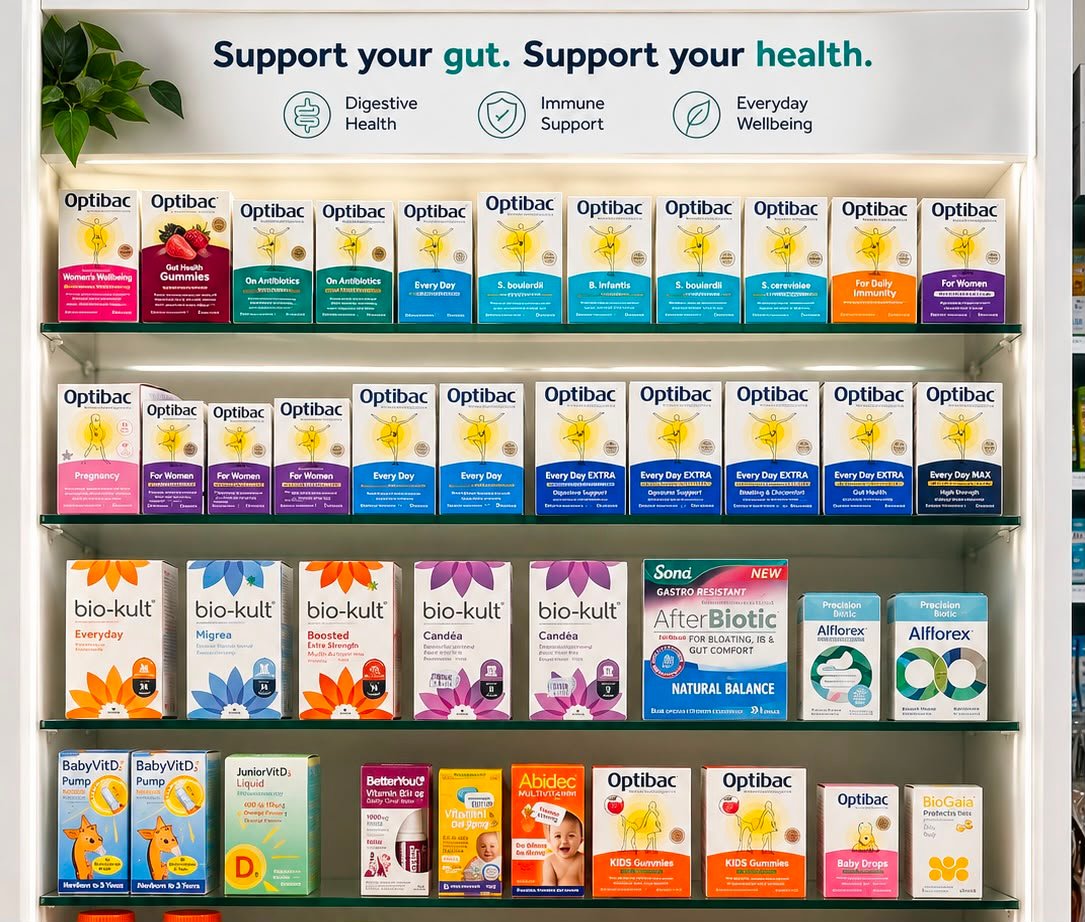
The range we stock, grouped by what you need
Here is our full probiotic range, sorted by the reason people usually reach for one. Prices and stock are live.
Everyday gut health
Simple daily multi-strain options, from great value to higher strength, including the Irish-made FabU and a liquid option.
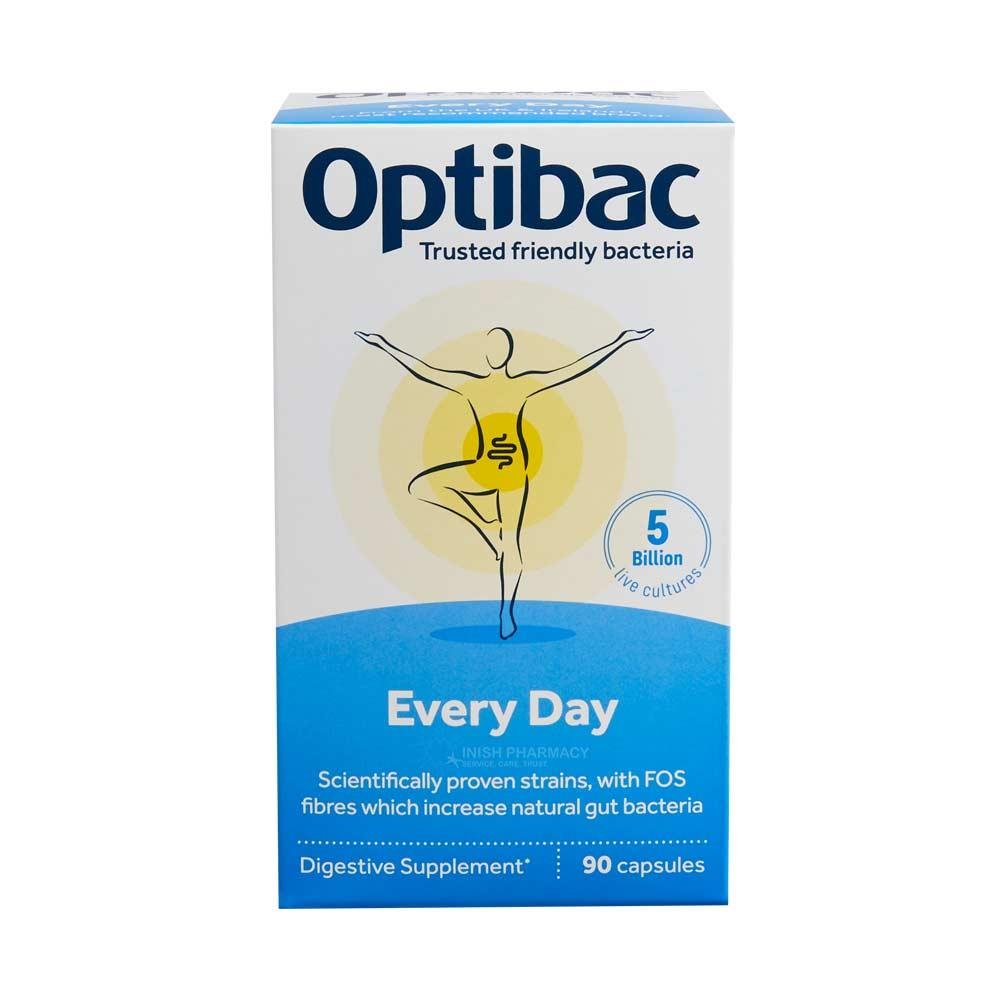 OptiBac Probiotics Daily Wellbeing 30 CapsulesOut of stockView product
 OptiBac Every Day EXTRA Capsules 30's, Daily Digestive Health Support€33.30View product
 Bio Kult Everyday Advanced Multi-Strain 30 Capsules€10.95View product
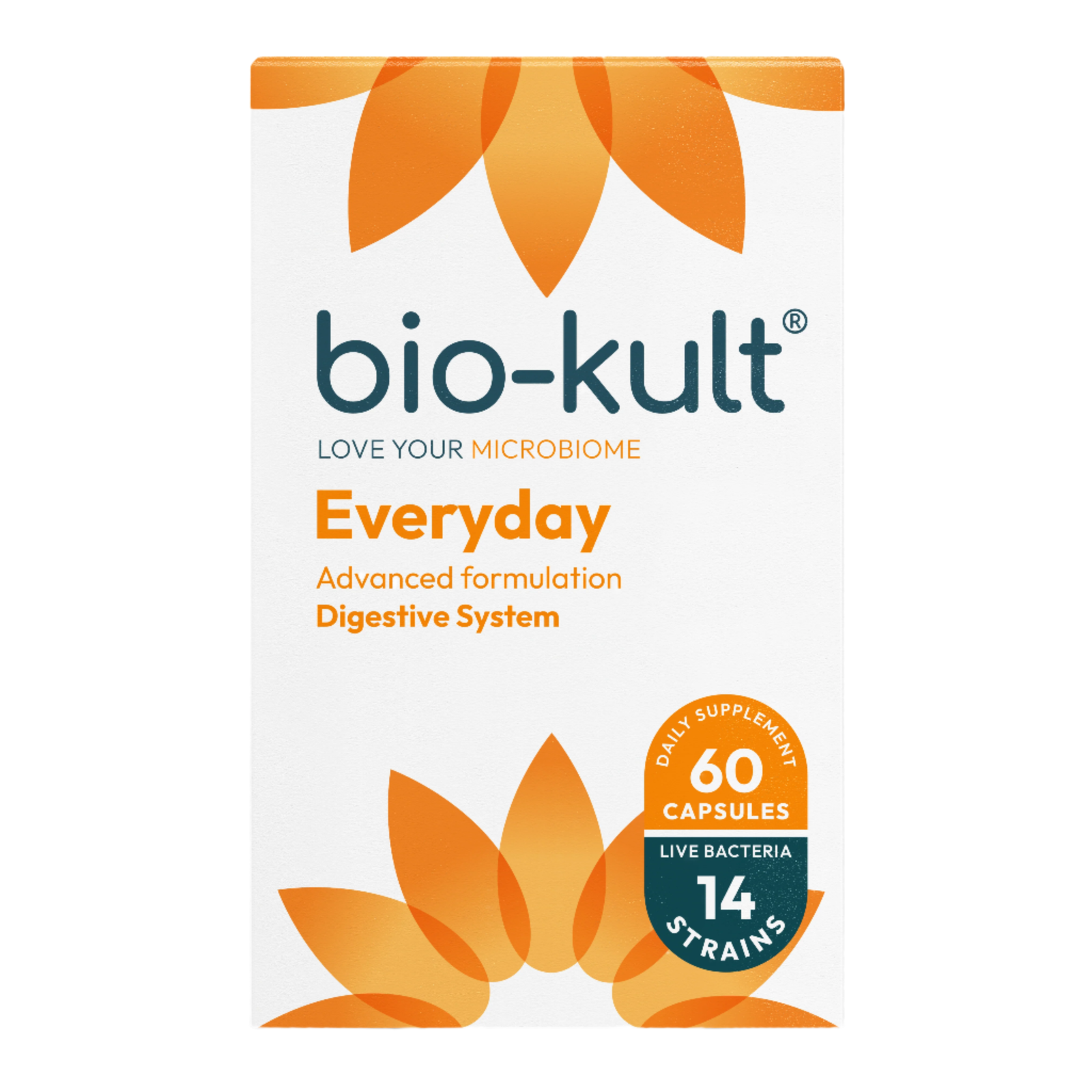 Bio Kult Everyday Advanced Multi-Strain 60 Capsules€19.95View product
 FabU Gut Culture Capsules 60 Capsules€26.95View product
 SWEDISH NUTRA ENCAPSULATED PROBIOTICS 500ML€25.50View product
For IBS and ongoing gut symptoms
Alflorex contains the single Bifidobacterium longum 35624 strain that has been studied specifically in IBS. Give any probiotic a fair four week trial.
- One single, heavily researched strain. Alflorex is built on Bifidobacterium longum 35624, a strain developed by scientists in Cork (APC Microbiome Ireland at UCC) and one of the most studied probiotic strains in the world for IBS.
- The trial evidence is real. In a landmark study of about 360 women with IBS, this exact strain taken daily for four weeks significantly eased abdominal pain, bloating and bowel habits compared with a dummy capsule [10].
- It works at a tiny dose. The effective amount was just 100 million CFU a day, a fraction of the billions on many boxes, which shows again that the strain matters far more than the number [1].
- Simple to take. One capsule a day, no fridge needed. Give it a fair four week run and see whether your symptoms settle.
On or after antibiotics, and for travel
A robust multi-strain, taken a couple of hours apart from your antibiotic.
 OptiBac For Those On Antibiotics 10 Capsules€12.45View product
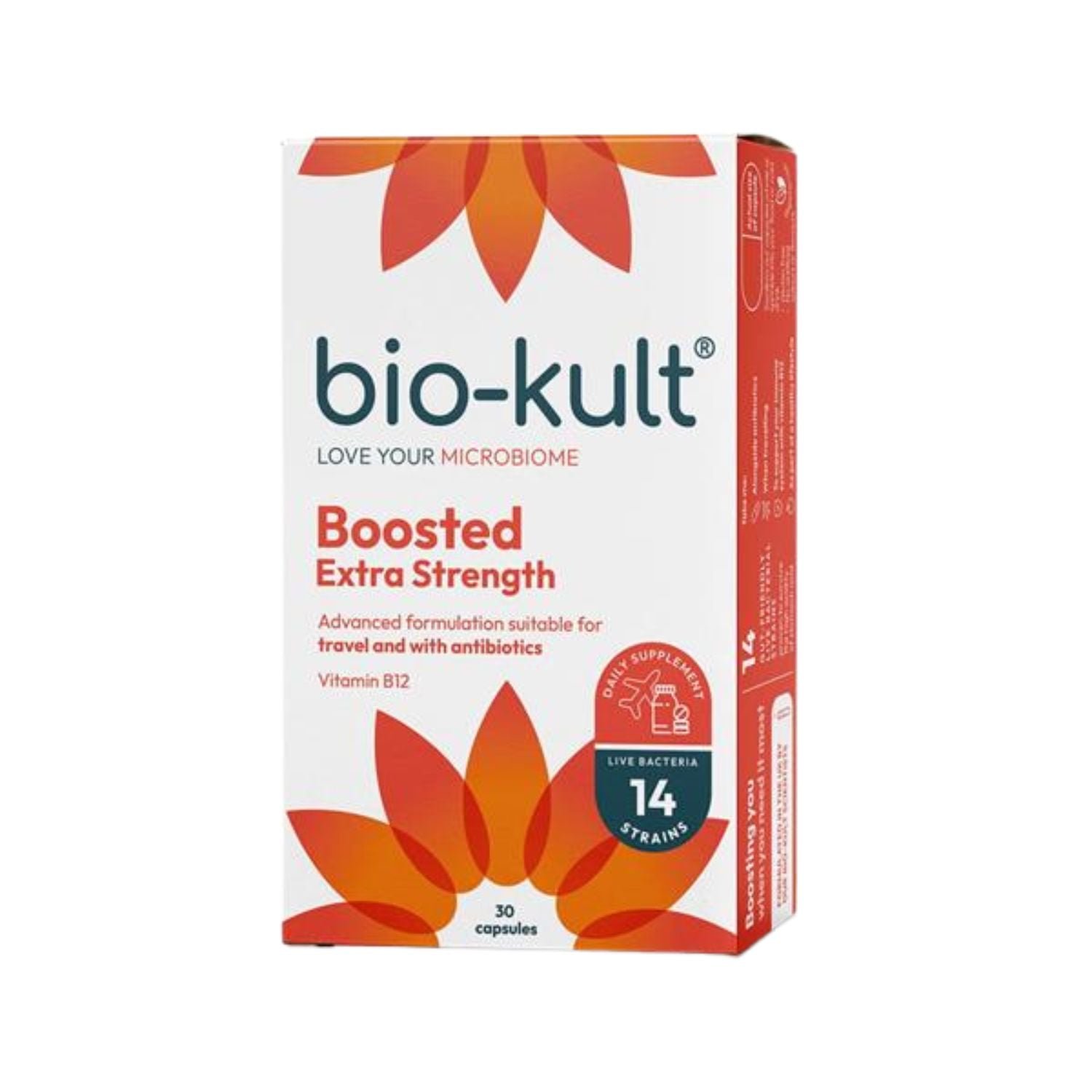 Bio Kult Boosted Extra Strength Probiotics€25.95View product
Women's, intimate and urinary balance
Lactobacillus based options chosen with women's intimate and urinary flora in mind, plus Bio Kult Pro-Cyan, which pairs a probiotic with cranberry and is popular with people who get UTIs often. For the full picture on UTIs, see our cystitis and UTI guide.
 OptiBac Intimate Flora For Women 30 Capsules, Vaginal Health Support€25.90View product
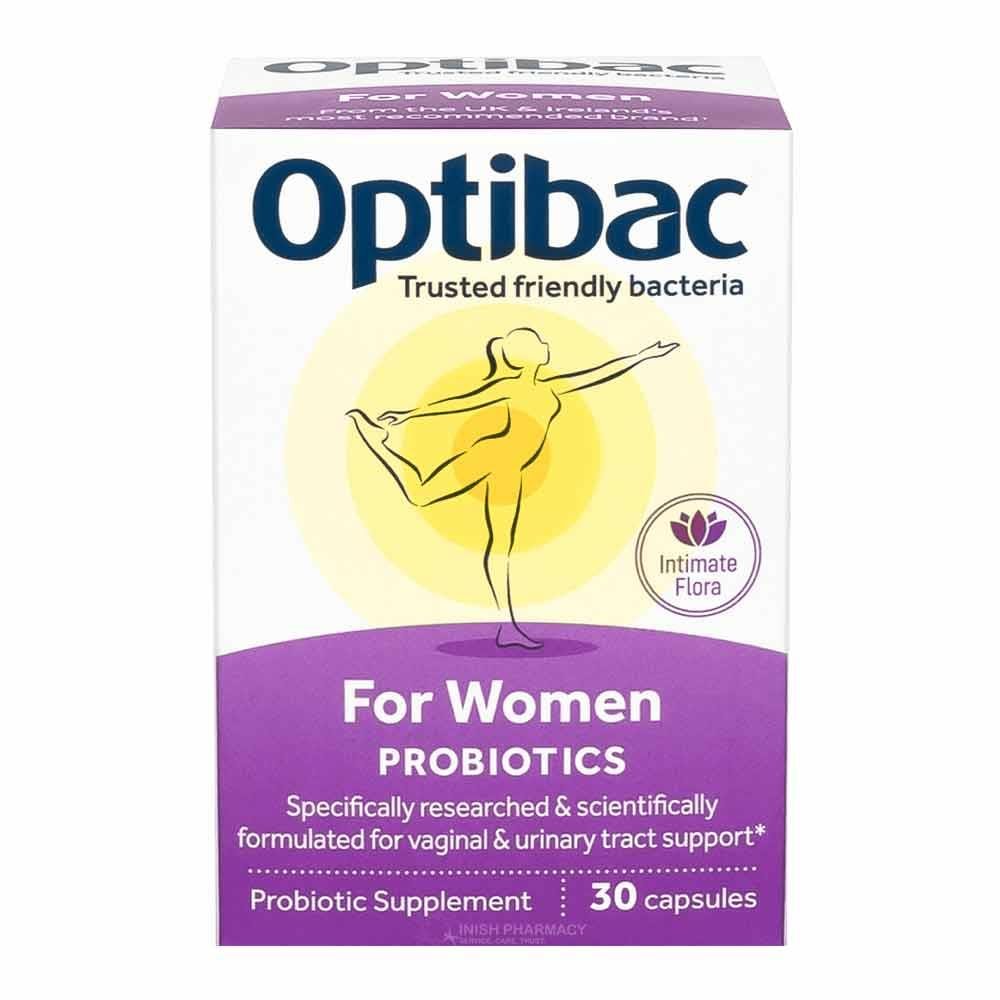 OptiBac For Women 30 Capsules€19.95View product
 OptiBac Women’s Wellbeing Probiotic + Vitamins Supplement 30 Capsules€19.55View product
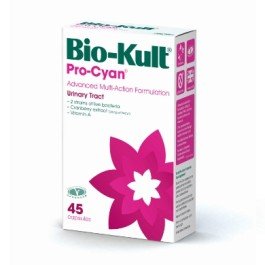 Bio Kult Pro Cyan€17.95View product
Pregnancy
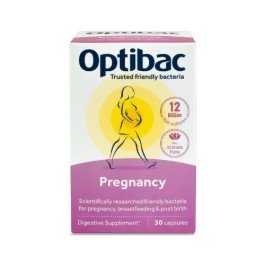
Formulated for use during and after pregnancy. Always check with your GP or midwife first.
Babies and children
Infant drops and easy sachets made for younger tummies. For babies, only ever use a product designed for infants.
 BioGaia Protectis Baby Drops 5ml, Infant Probiotic Supplement€22.55View product
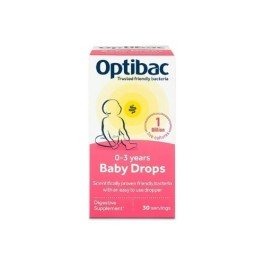 OptiBac For Your Baby Dropper 10ml, Infant Probiotic Supplement€15.90View product
 OptiBac Babies & Children 30 Sachets€24.95View product
Targeted formulas
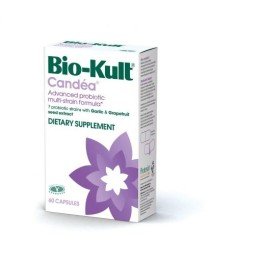
Bio Kult Migrea (chosen by some with the gut and head in mind) and Bio Kult Candea.

How to choose, our quick checklist
- Start with the reason. Pick for a specific goal, not a vague promise of "gut health".
- Look for the strain. Genus, species and strain if you can, not just "friendly bacteria".
- Match the dose to the research, not the marketing. Ignore the race to the highest billions.
- Give it a fair go. Four weeks at the label dose, then judge honestly.
- If it is not the right fit, review it with us. After a fair trial, we can look at switching strain or approach rather than carrying on with something that is not working for you.
What our staff say at the counter
- The 30 second version: The number of billions on the front of the box matters less than most people think. The right probiotic depends on the job. For everyday balance, a daily multi-strain like OptiBac or Bio Kult. For IBS, the single-strain Alflorex. Alongside antibiotics, a robust multi-strain such as Bio Kult Boosted. For women’s intimate and urinary health, the OptiBac intimate range or Bio Kult Pro-Cyan. And for babies, an infant drop like BioGaia. Tell us your goal and we will match you to the strain that fits.
- Our most asked-for pick: For IBS, people do well to try Alflorex, because it is a single, well studied strain. Give it a full four weeks before you decide.
- With antibiotics: OptiBac For Those On Antibiotics is designed to be taken at the same time as your antibiotic, which makes it simple to use. A broad multi-strain like Bio Kult Boosted, taken a couple of hours apart, is another well backed option. For reference, the strains with the strongest trial evidence against antibiotic-related diarrhoea are Saccharomyces boulardii and Lactobacillus rhamnosus GG, so tell us your situation and we will match the approach to you.
- For women and for UTI-prone customers: We will point you to the OptiBac intimate range, or Bio Kult Pro-Cyan with cranberry, and we will talk you through our UTI guide too.
- For babies: Only ever an infant product like BioGaia drops, and check with us or the GP first.
- If it is not working: We will not just tell you to keep going and hope. After a fair four week trial we will look at whether a different strain, the timing, or something else in your gut health is the better answer for you. Getting the right match is the whole point.
Do probiotics have side effects?
For most healthy people they are well tolerated, though a bit of temporary gas or bloating can happen as your gut settles. They are not completely risk free though. The Food Safety Authority of Ireland notes rare reports of serious infections, mainly in people who are already medically vulnerable [9]. It is worth checking with your doctor or pharmacist first if you are significantly immunocompromised, have a central line, have a seriously impaired gut barrier, are very unwell, or are caring for a premature or high-risk infant.
The bottom line
Probiotics are not a gimmick, but they are not interchangeable either. There is real evidence for specific strains in specific situations. The mistake is assuming the priciest box, the longest list of bacteria, or the biggest number of billions must be the right one. Ask instead: is there evidence for this exact probiotic, for what I actually need? And if you are not sure, that is exactly what we are here for.
References
- World Gastroenterology Organisation. Probiotics and Prebiotics: Global Guideline. 2023.
- Systematic review and meta-analysis of probiotics in irritable bowel syndrome. Gastroenterology. 2023 (82 randomised trials, 10,332 adults).
- Systematic review of probiotics in IBS. 2026 (40 studies; improvement in symptom severity, certainty still low).
- NICE. Irritable bowel syndrome in adults (four week probiotic trial guidance).
- Meta-analysis of probiotics for antibiotic-associated diarrhoea in adults. 2025 (15 trials, 7,427 participants; RR 0.60).
- Systematic review and meta-analysis of probiotics for functional constipation. BMJ Open. 2024 (17 studies, 1,256 adults).
- ESPGHAN. Position paper on probiotics for acute gastroenteritis and antibiotic-associated diarrhoea in children. 2023.
- HSE. Healthy eating and fibre guidance, Ireland.
- Food Safety Authority of Ireland (FSAI). Safety assessment of probiotics. 2024.
- Whorwell PJ, et al. Efficacy of an encapsulated probiotic Bifidobacterium infantis 35624 in women with irritable bowel syndrome. American Journal of Gastroenterology. 2006 (about 360 women; the 100 million CFU dose eased symptoms over four weeks).
This article is general information reviewed by our pharmacy team, not individual medical advice, and is not intended as a health claim for any specific product. Probiotic evidence and EU guidance continue to evolve. If you have a medical condition or are unsure, ask us or your GP.
Probiotics we stock
The researched strains covered in this guide, all in stock in Portlaoise.
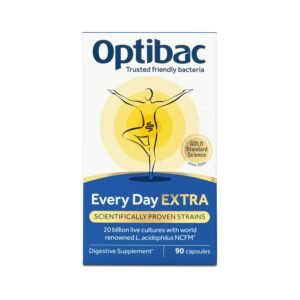 OptiBac Every Day EXTRA Capsules 30's, Daily Digestive Health SupportExtra strength daily formula€33.30View product
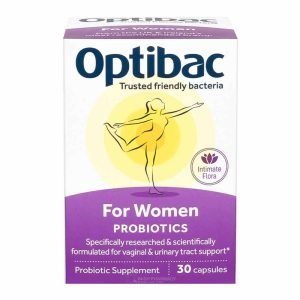 OptiBac For Women 30 CapsulesFor intimate flora and thrush prevention€19.95View product
 OptiBac For Those On Antibiotics 10 CapsulesFor use during antibiotics€12.45View product
 OptiBac Babies & Children 30 SachetsSachets for babies and children€24.95View product
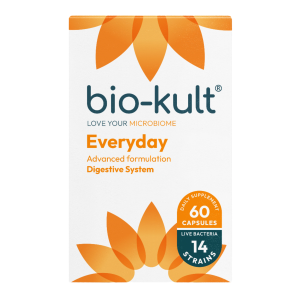 Bio Kult Everyday Advanced Multi-Strain 60 CapsulesMulti-strain, no fridge needed€19.95View product
Medicines are sold subject to a short pharmacist questionnaire at checkout. Ask our pharmacist on WhatsApp if you are unsure what suits you.