
Tired all the time, short of breath on the stairs, paler than usual? Low iron is one of the most common reasons, especially for women with heavy periods and during pregnancy. Here is how to spot low iron, how your GP tests for it, which iron suits which situation, and how to take it so it works, from the pharmacists at Laois Pharmacy in Portlaoise.
In 30 seconds
- Common signs: tiredness, shortness of breath, noticeable heartbeats and pale skin. A GP blood test confirms it.
- Treatment-strength iron (Ferrograd, Galfer) is a medicine. Take it when a GP has confirmed low iron, usually for about 6 months.
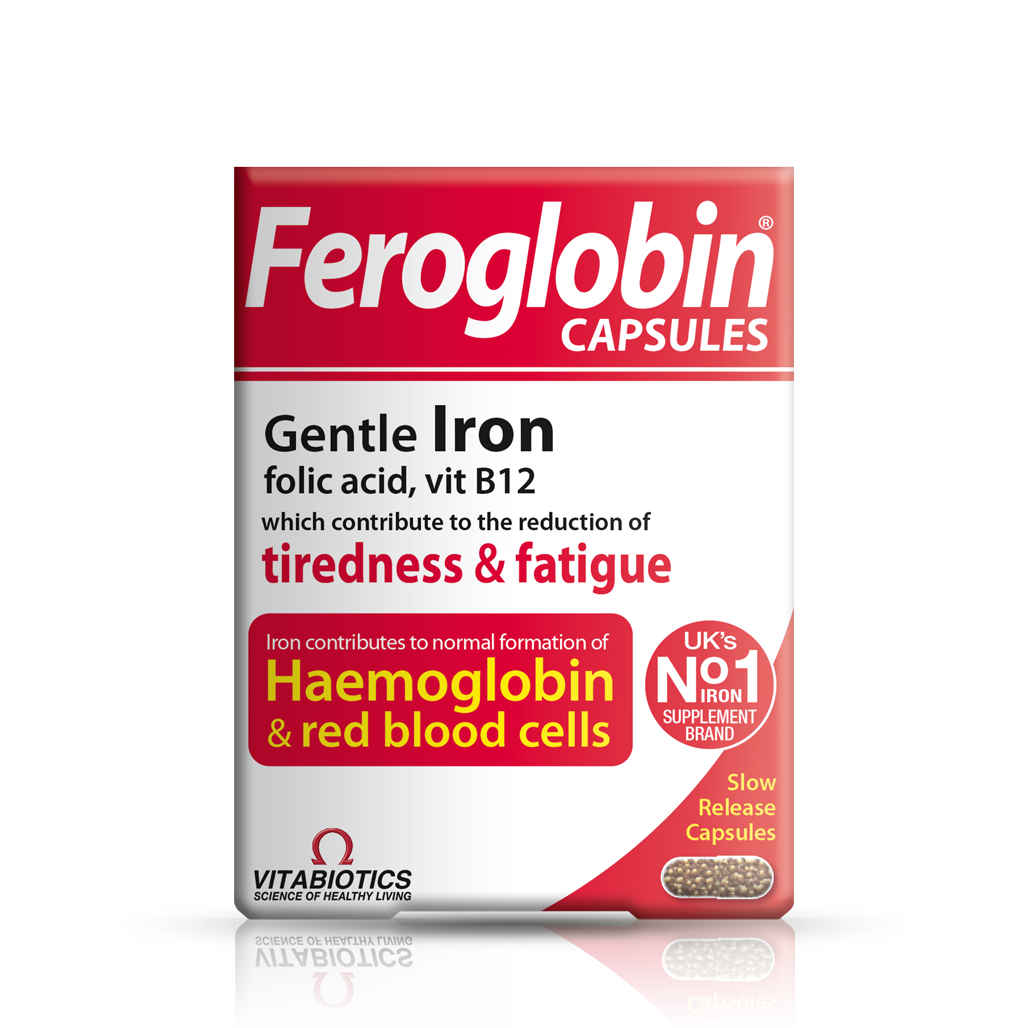
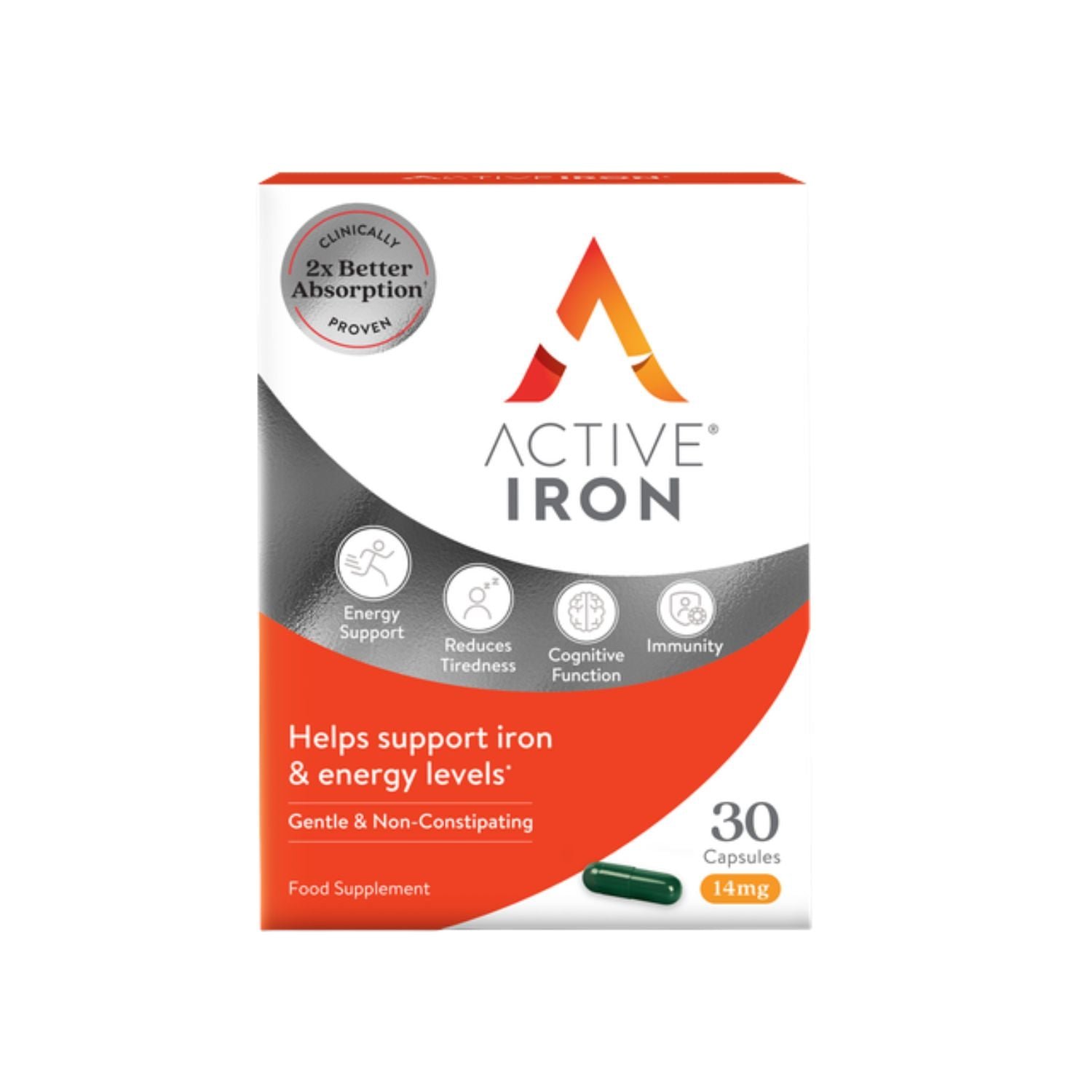
- Lower-dose and liquid irons (Spatone, Floradix, Feroglobin, Active Iron) suit people topping up or who cannot tolerate tablets.
- Take iron on an empty stomach with orange juice or vitamin C if you can. Leave 2 hours before tea, coffee, dairy or eggs.
- Black stools are normal on iron. Keep every iron product out of children’s reach: an overdose can be fatal.
Signs you might be low in iron, and why
Iron makes haemoglobin, the part of red blood cells that carries oxygen. When it runs low you develop iron deficiency anaemia. The HSE lists tiredness and lack of energy, shortness of breath, noticeable heartbeats and pale skin as the main symptoms. Less common signs include headaches, a sore tongue, hair loss, cravings for ice, spoon-shaped nails and restless legs.
Heavy periods and pregnancy are the most common causes. Iron can also run low because of bleeding in the stomach or bowel, from regular anti-inflammatory painkillers such as ibuprofen and aspirin, stomach ulcers, inflammation of the bowel, piles and, less often, bowel or stomach cancer. That is why new anaemia in a man, or in a woman whose periods have stopped, always needs a GP.
Get tested before you treat
A full blood count at your GP checks your haemoglobin and also picks up other anaemias, such as vitamin B12 or folate deficiency, which iron will not fix. Once the cause is known your GP will recommend treatment and repeat the blood test over the following months. For reference, the HSE says adults need 8.7mg of iron a day from food (14.8mg for women aged 19 to 50), that 17mg or less a day from a supplement is unlikely to cause harm, and that higher doses should be taken on GP advice.
Which iron supplement to take
1. Treatment-strength iron: a pharmacy medicine
These give around 100mg of iron per dose, the level GPs use to treat confirmed iron deficiency anaemia for about 6 months. They are sold in the pharmacy after a few questions and are not recommended under 12. Ferrograd 325mg is ferrous sulfate in a prolonged-release tablet giving 105mg of iron: one a day, swallowed whole, before or with food depending on your stomach. Ferrograd C adds 500mg of vitamin C, which helps absorption. Galfer capsules are ferrous fumarate 305mg, about 100mg of iron: one a day to prevent low iron or one twice a day to treat it, unless your doctor says otherwise.
2. Lower-dose and liquid iron: for topping up
These give less iron per dose, so they are less likely to upset the stomach. Spatone is iron-rich spa water in sachets with vitamin C, often used from the teenage years and in pregnancy with GP guidance. Floradix is a liquid with iron gluconate, B vitamins and vitamin C, taken before meals. Feroglobin, Galfer liquid and Active Iron are other lower-dose options, described in the cards below.
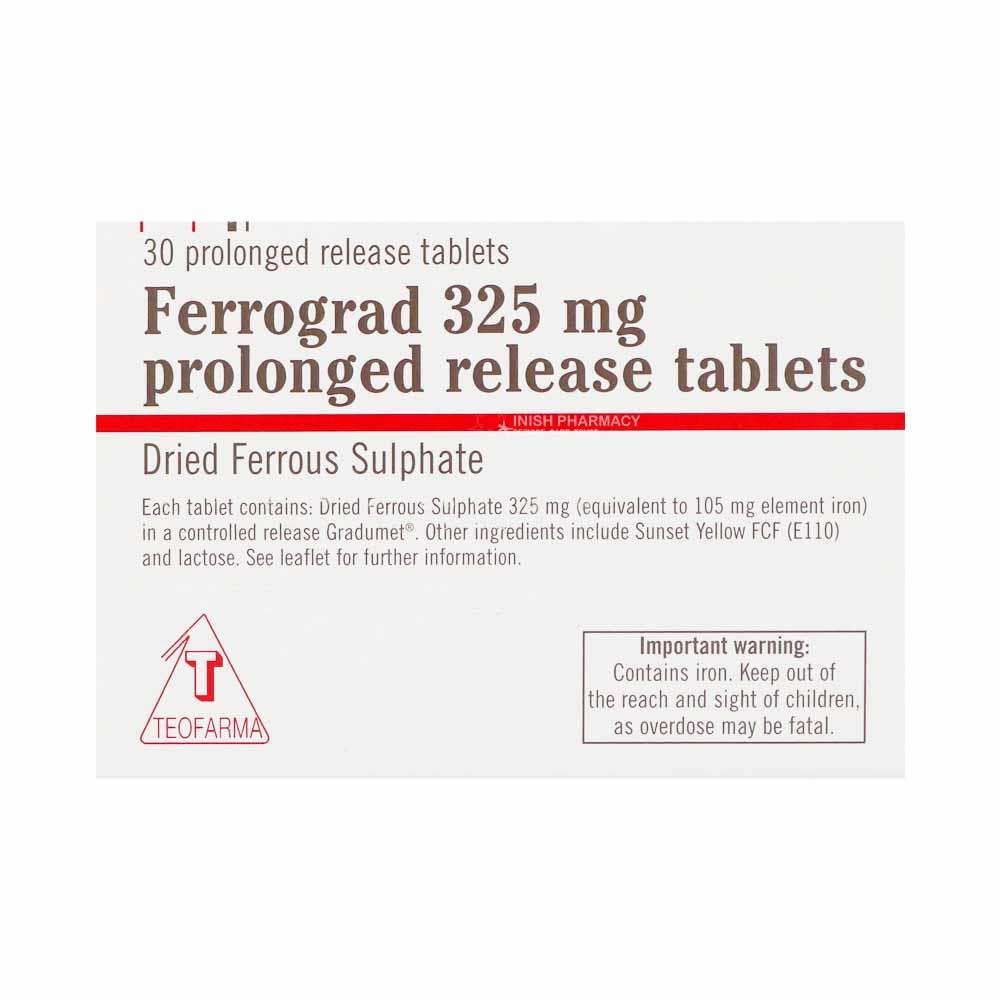 Ferrograd 325mg, 30
Prolonged-release ferrous sulfate, 105mg iron. Pharmacy medicine, 12+.
€3.75
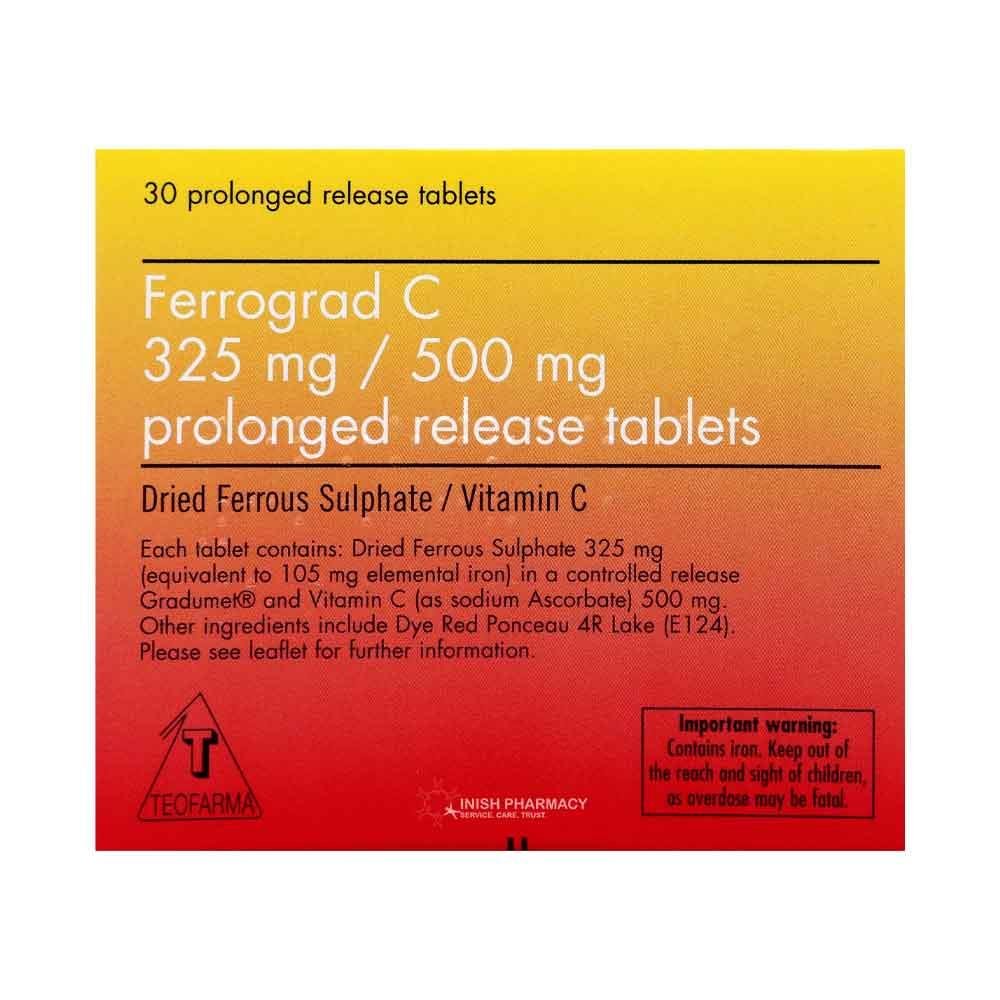 Ferrograd C, 30
The same iron with 500mg vitamin C. The product page shows live stock.
€7.55
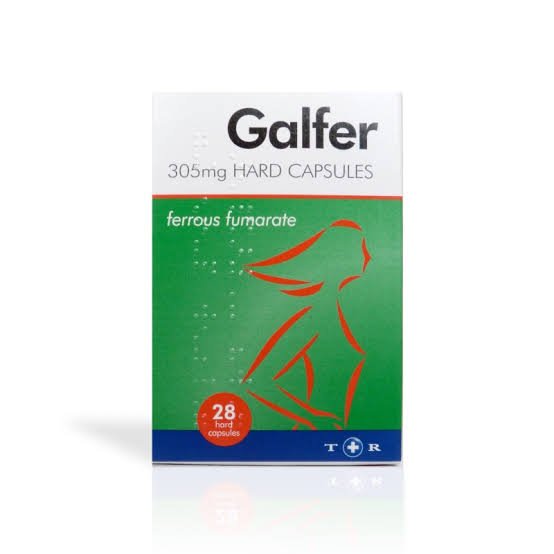 Galfer capsules 305mg, 28
Ferrous fumarate, about 100mg iron. Pharmacy medicine, 12+.
€3.00
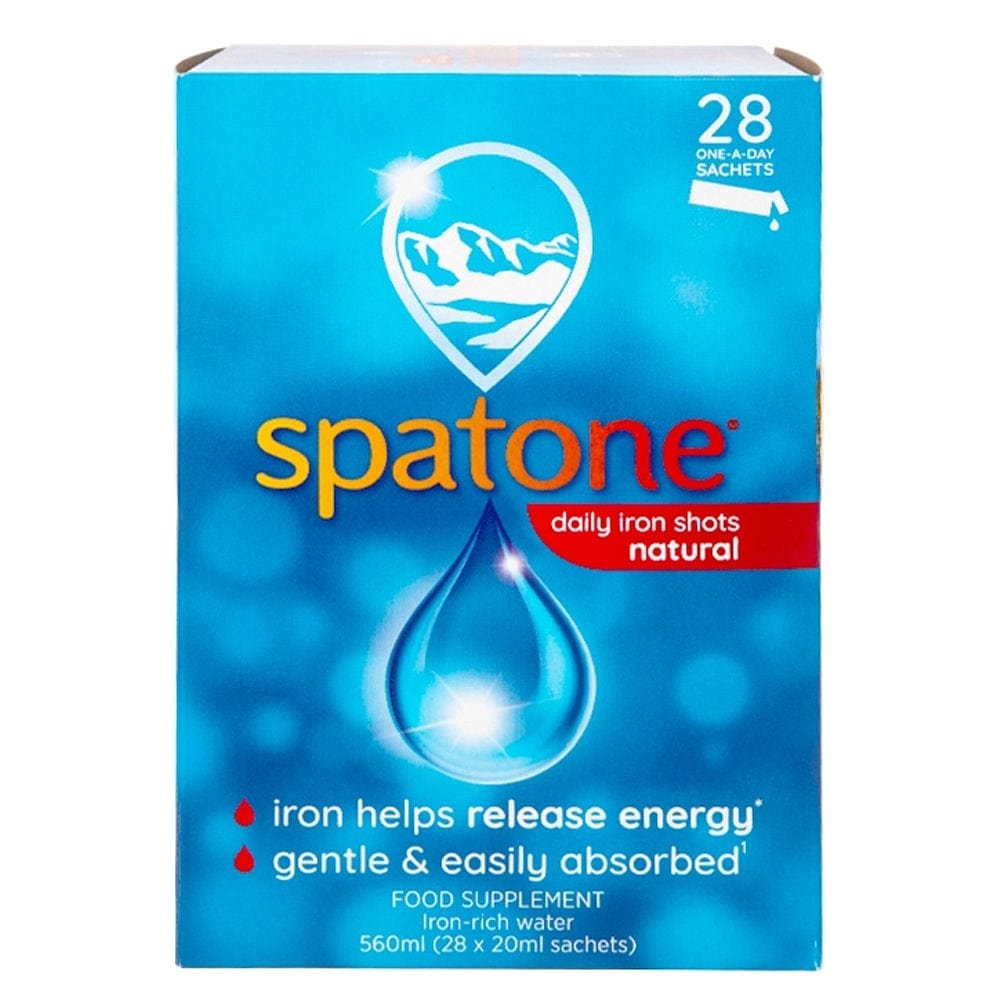


Browse all iron and mineral supplements, or everything from Galfer and Active Iron.
How to take iron so it works
- Empty stomach if you can. Iron is absorbed most easily 30 minutes before food or 2 hours after. If it upsets your stomach, take it with or just after a meal instead.
- Add vitamin C, and keep tea, coffee, dairy and eggs 2 hours away. Orange juice or a vitamin C tablet helps absorption. Tea, coffee, milk, eggs, wholegrain cereals, antacids and calcium block it.
- Swallow tablets whole. Sucking or chewing them can cause mouth ulcers and stain teeth.
- Space it from other medicines. Iron interferes with tetracycline antibiotics such as doxycycline, with ciprofloxacin, levothyroxine and bisphosphonates, and with zinc or magnesium supplements. Leave at least 2 hours and ask us about your own medicines.
- Give it time. Most people feel better after 3 to 4 weeks, but it takes 2 to 4 months to work fully.
Side effects, and when to see a GP
Iron commonly causes constipation or diarrhoea, stomach discomfort, heartburn, nausea and black stools. The black colour is harmless and expected. Taking the tablet with food, more fibre and plenty of water usually sort out constipation. If side effects persist, ask us about a prolonged-release tablet or a lower-dose liquid. The HSE says to keep taking iron and talk to your GP rather than stop.
See a GP if you have the symptoms of anaemia and have not had a blood test; if you are a man, or a woman past the menopause, with new anaemia; if you are pregnant or planning a pregnancy; if you have taken iron for 4 weeks or more and feel no better; or if you have another type of anaemia or a condition such as haemochromatosis. Untreated, iron deficiency anaemia makes you more prone to infection and can strain the heart.
Not sure which iron suits you?
Tell us your blood results, your other medicines and what has upset your stomach before. Our pharmacists will point you to the right strength and form, in the pharmacy or on WhatsApp.
Iron tablets: common questions
Can I buy iron tablets over the counter in Ireland?
Yes. Ferrograd and Galfer are pharmacy medicines sold after a few questions, and lower-dose irons such as Spatone, Floradix and Feroglobin are food supplements. The HSE advises a GP blood test before taking treatment-strength iron.
Which iron tablet is easiest on the stomach?
Side effects rise with the dose. Prolonged-release tablets such as Ferrograd tend to cause fewer problems than standard tablets. Liquid and low-dose irons such as Spatone, Floradix or Active Iron are gentler again but give less iron, so they suit topping up rather than treating confirmed anaemia.
How long do iron tablets take to work?
Most people start to feel better after 3 to 4 weeks, but it takes 2 to 4 months for iron to work fully. For iron deficiency anaemia, treatment usually continues for about 6 months to rebuild your iron stores.
Is Ferrograd C better than plain Ferrograd?
Both contain the same prolonged-release ferrous sulfate giving 105mg of iron. Ferrograd C adds 500mg of vitamin C, which helps the gut absorb iron. Plain Ferrograd taken with a glass of orange juice gives a similar result.
Can I take iron in pregnancy?
Pregnancy is one of the most common causes of low iron, and supplements are often needed. Your GP or midwife will check your bloods and advise the right product and dose. Avoid liver as a food source in pregnancy.
Sources
- HSE, Iron deficiency anaemia. www2.hse.ie.
- HSE, Vitamins and minerals: iron. www2.hse.ie.
- NHS, Iron deficiency anaemia. nhs.uk.
- NHS, Ferrous sulfate: about, how and when to take it, side effects, other medicines.
- Ferrograd 325 mg and Ferrograd C prolonged release tablets, SmPC (UK emc; Irish leaflet to be confirmed). Ferrograd, Ferrograd C.
General information for people in Ireland, not a substitute for advice about your own health. Always read the label and the leaflet, and ask our pharmacists or your GP.