

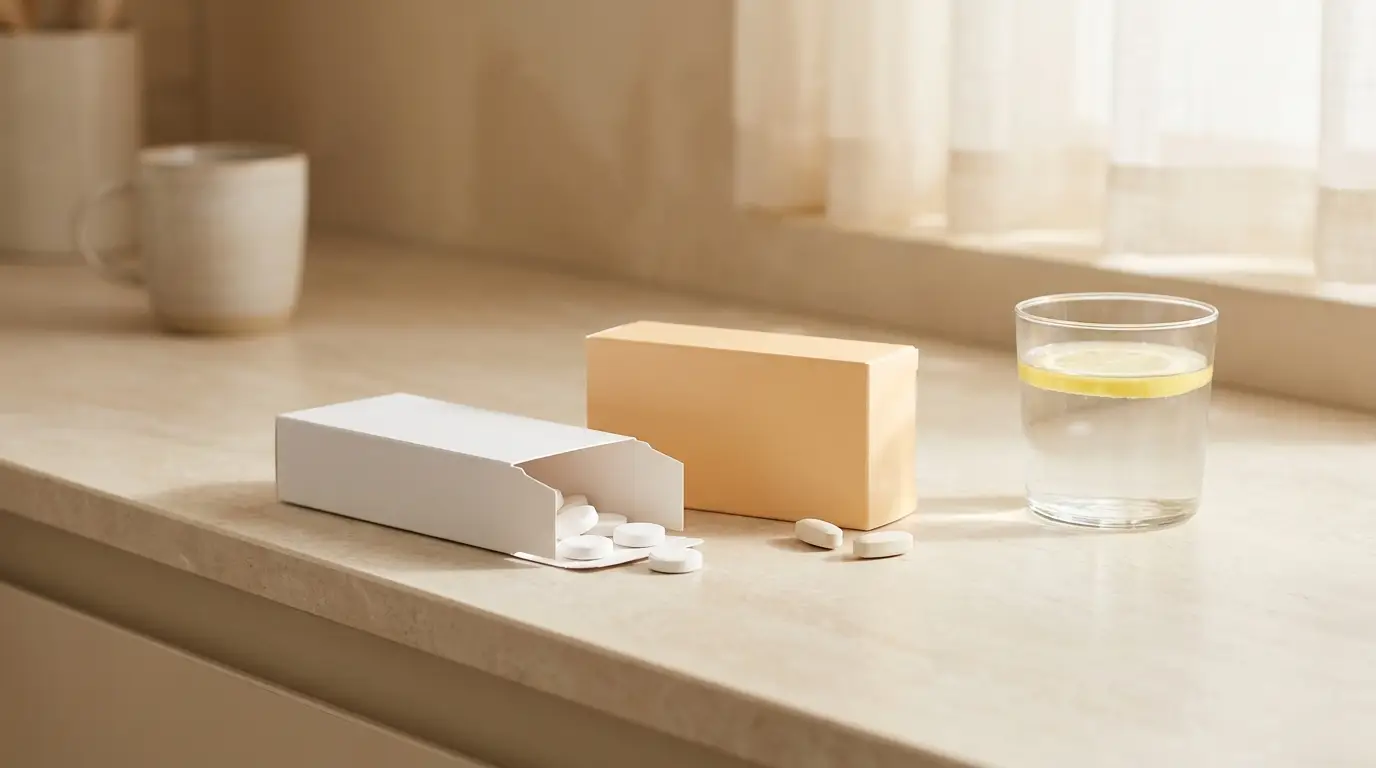
Yes, most adults can safely take paracetamol and ibuprofen together. They’re different medicines that work in different ways, they don’t interact with each other, and combining (or alternating) them often controls pain and fever better than either alone. But the details matter, so here’s exactly how to do it right, from the pharmacists at Laois Pharmacy in Portlaoise.
Show me the safe way
Who is the pain relief for?
Paracetamol: 500mg–1g per dose, up to 4 times in 24 hours. Never more than 4g (8 × 500mg tablets) in a day.
Ibuprofen: 200–400mg per dose, up to 3 times in 24 hours, always with or after food.
A common pattern for bad pain or fever: paracetamol at 8am–2pm–8pm, ibuprofen with breakfast, dinner and supper, so something is always working.
Skip the ibuprofen and ask us first if you have a stomach ulcer, kidney problems, are on blood thinners, have aspirin-sensitive asthma, or are pregnant.
Read our full child fever guide, including the warning signs that mean it’s a doctor visit, not a pharmacy one.
Why the combination works
Paracetamol works mainly in the brain on how you perceive pain and on your temperature set-point. Ibuprofen is an anti-inflammatory, it works at the site of the problem, reducing the swelling and inflammation that cause the pain. Because the mechanisms don’t overlap, the effects add together without the risks adding together.
The mistakes we see most
- Doubling up on hidden paracetamol. Solpadeine, Panadol Cold & Flu, Lemsip and many combination remedies already contain paracetamol. Adding more tablets on top is how accidental overdoses happen, always check the box, or ask us.
- Ibuprofen on an empty stomach, hard on the stomach lining. Take it with food, every time.
- Running both at full dose for days on end. These are short-term tools. Pain that needs constant maximum doses beyond a few days needs a diagnosis, talk to us or your GP.
Not sure what’s safe with your other medicines?
Painkillers interact with blood thinners, blood pressure tablets and more. Tell us what you take, checking takes our pharmacists two minutes and it’s free.
Pain relief you can buy from us today
The everyday painkillers our pharmacists reach for, with delivery across Ireland.
 Panadol Pain Relief Tablets Paracetamol 500mg 24sParacetamol for pain and fever, gentle on the stomach€4.95View product
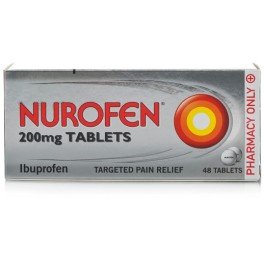 Nurofen Ibuprofen 200mg Tablets 48'sIbuprofen 200mg for inflammation, swelling and period pain€9.95View product
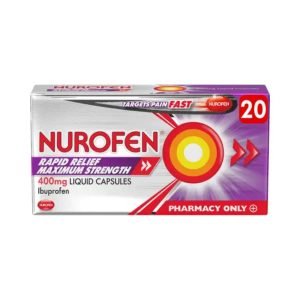 Nurofen Rapid Relief 400mg Tablets, 20sIbuprofen 400mg for stronger, faster relief€9.95View product
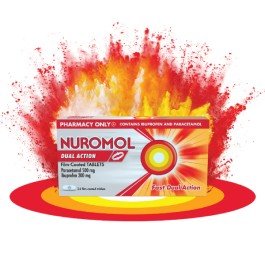 Nuromol Dual Action Pain Relief 200mg/500mg Tablets 24 packParacetamol and ibuprofen in one tablet€15.50View product
 Pfizer Paracetamol 500mg Film-Coated Tablets, 12 TabletsBudget paracetamol, same active ingredient€2.05View product
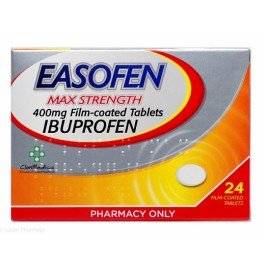 Easofen 400mg Max Strength Ibuprofen - 24 TabletsMaximum strength ibuprofen 400mg€10.95View product
Medicines are sold subject to a short pharmacist questionnaire at checkout. Free delivery on orders over €75. Ask our pharmacist on WhatsApp if you are unsure what suits you.
Paracetamol & ibuprofen FAQs
Can I take paracetamol and ibuprofen at the same time?
Yes, for most adults it’s safe to take them together or staggered, as long as you stay within each medicine’s own daily maximum. Take ibuprofen with food.
How far apart should I space them?
They don’t need to be spaced from each other. Some people take both together; others stagger them a few hours apart so pain relief never fully wears off. Both approaches are fine.
Who shouldn’t take ibuprofen?
People with stomach ulcers, significant kidney problems, aspirin-sensitive asthma, those on blood thinners, and women who are pregnant should avoid ibuprofen unless a doctor says otherwise. Paracetamol is usually the safer choice, ask us.
Can children have paracetamol and ibuprofen together?
Not routinely. Use one at a time, dosed by age and weight, and only consider switching if the first hasn’t worked. See our child fever guide for the full approach and red flags.
Reviewed by Deirdre O’Donovan MPSI, pharmacist (registered since 1981), Laois Pharmacy, Portlaoise, July 2026. This is general guidance, not a substitute for personal advice, ask our pharmacists about your own situation.
\n
Related reading: Ibuprofen or Paracetamol: Which Should You Take?


Pingback: Ibuprofen or Paracetamol: Which Should You Take? - Laois Pharmacy