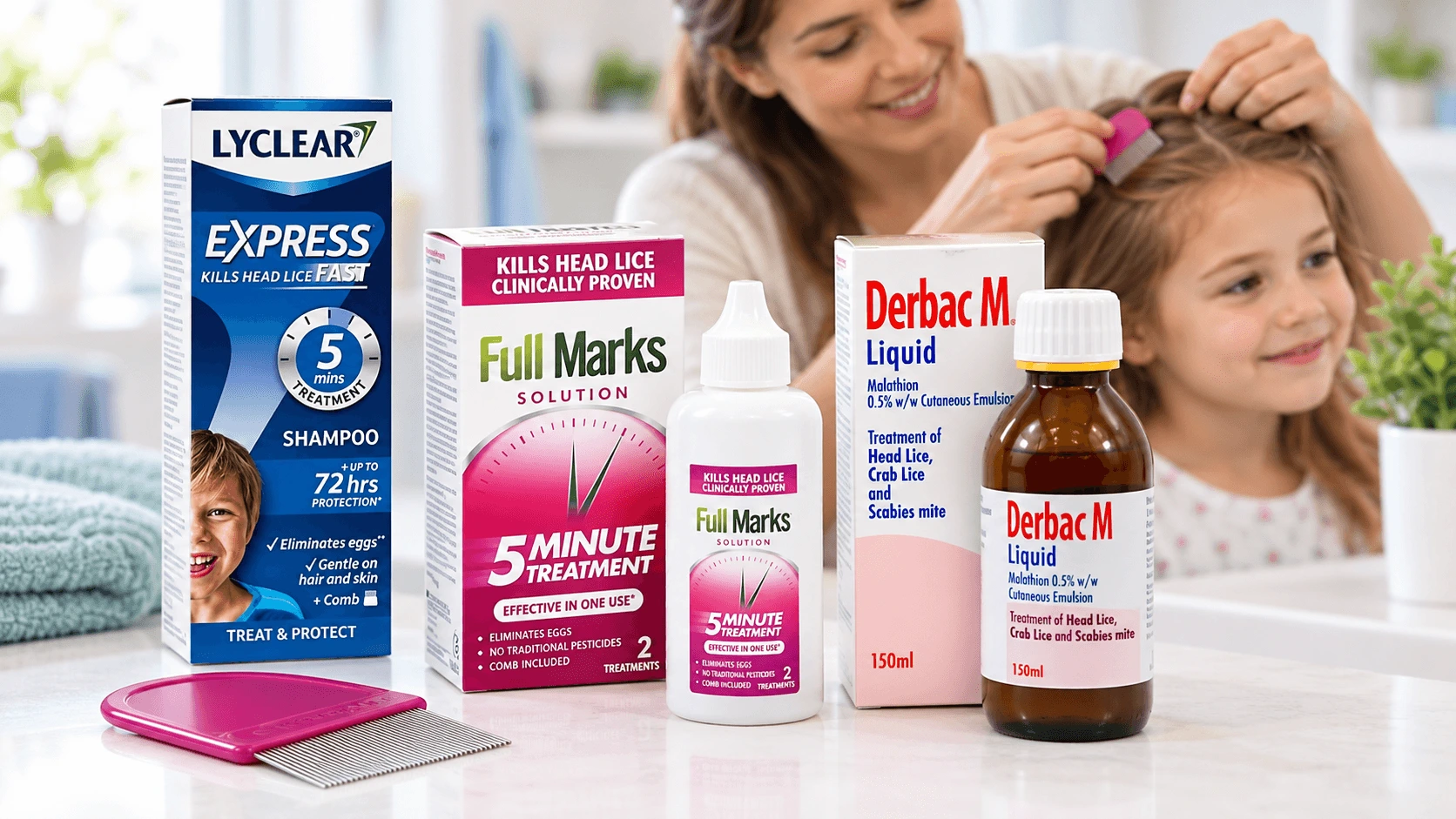
How to get rid of head lice and nits: a simple guide for parents
Found head lice or nits? Here's how to check with a nit comb, which treatment to use, a simple 2 week plan and what to do if they keep coming back.


Found head lice or nits? Here's how to check with a nit comb, which treatment to use, a simple 2 week plan and what to do if they keep coming back.
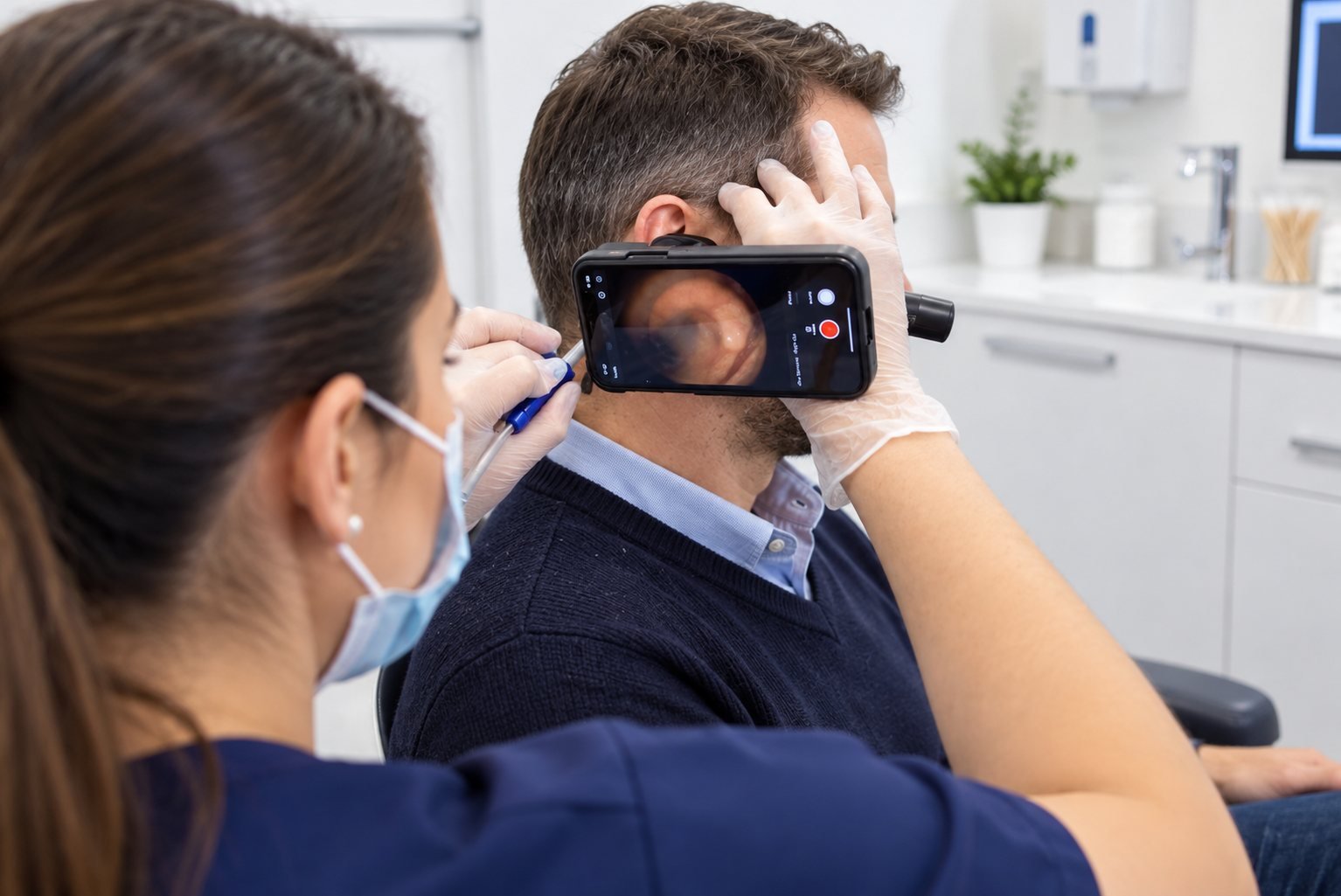
A plain-English walk through a microsuction appointment, from softening the wax at home and the health questions to the suction itself, how it feels and what to do afterwards.
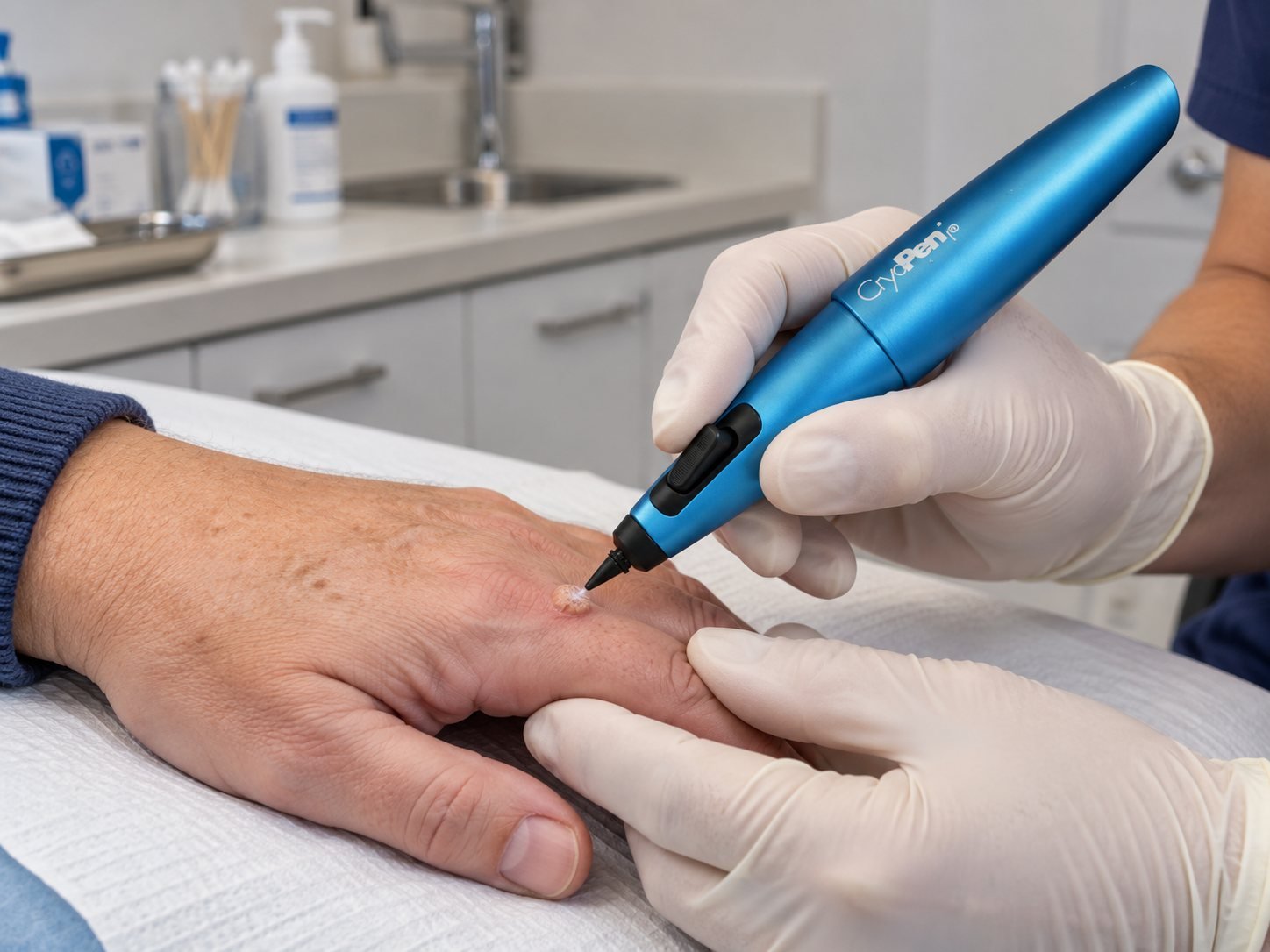
A home wart freeze spray and freezing at the pharmacy both use cold to treat warts, but they differ in temperature, checks and who can use them, so here is what the evidence says.
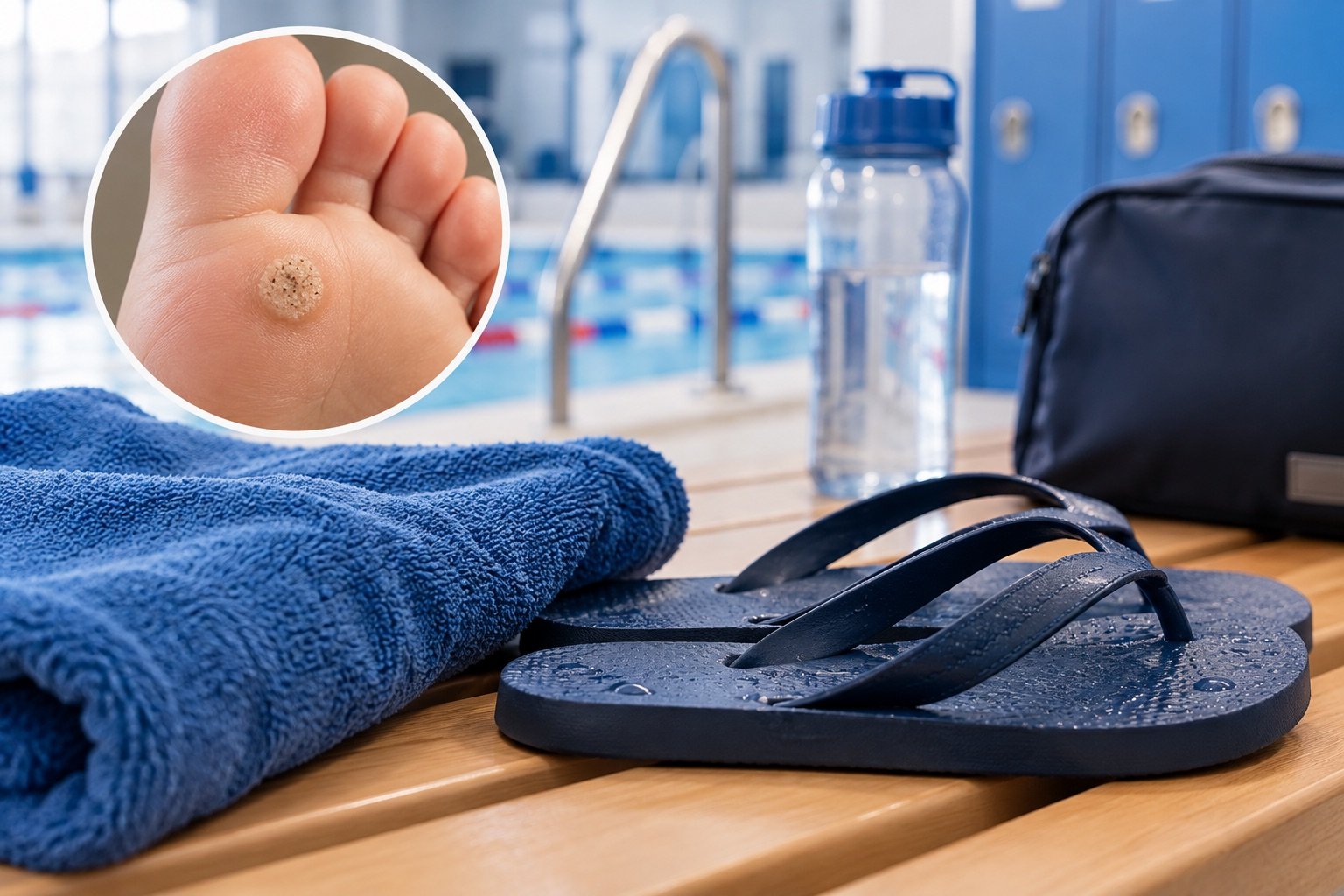
A hard, sore spot on your foot could be a verruca, a corn or a callus, and this guide shows you the simple signs that tell them apart and what to do about each one.
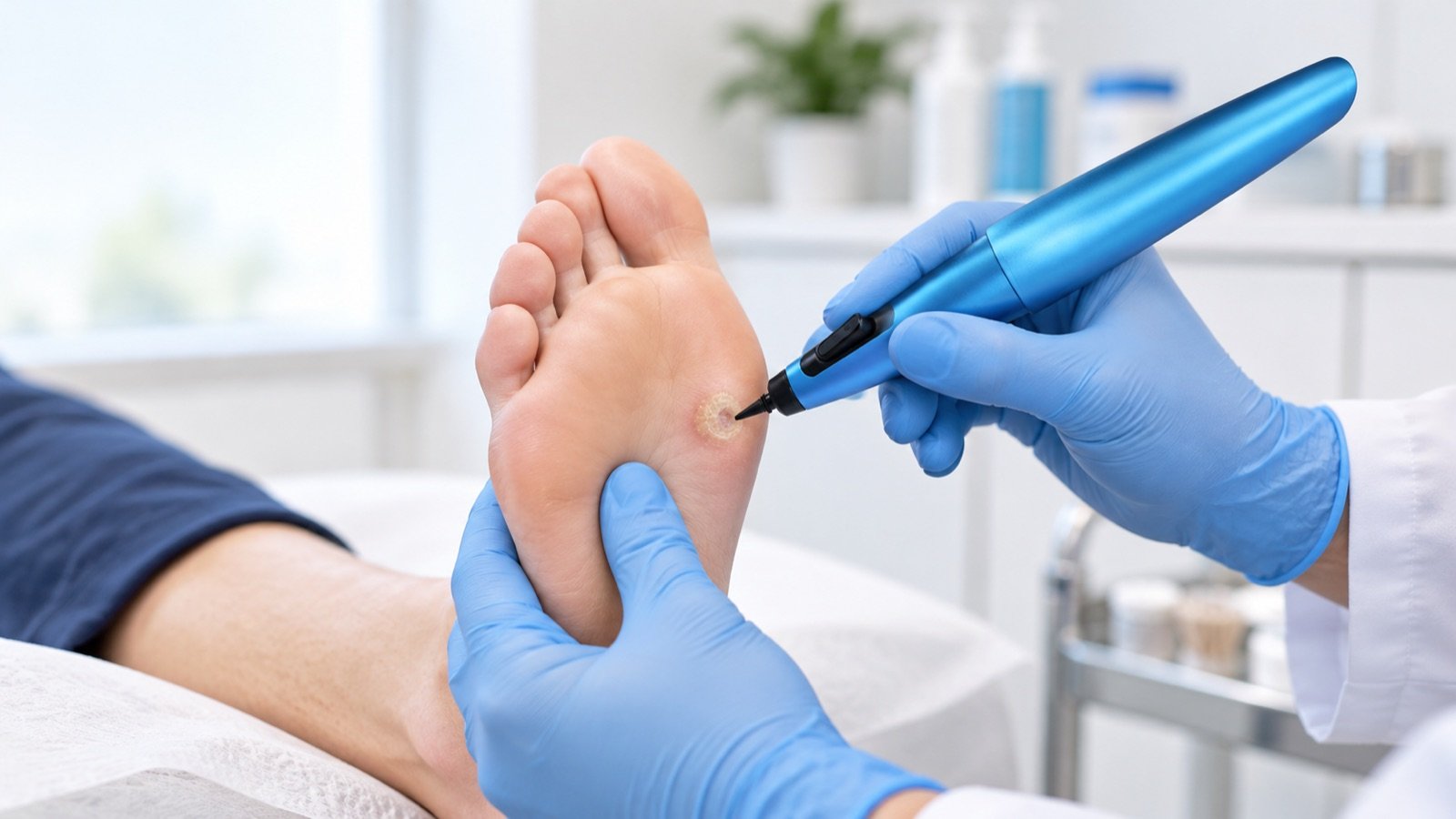
Most warts and verrucas need more than one freezing session, usually two to four weeks apart. This guide explains why, what the guidance says and when to review the plan.
Most warts on hands go away on their own in time, and when you do want to treat one, salicylic acid and freezing have the strongest evidence, though both take patience.
Verrucas usually go away on their own in time, and research suggests salicylic acid and freezing work about equally well. Here is how the options compare, so you can choose the verruca treatment that suits you.
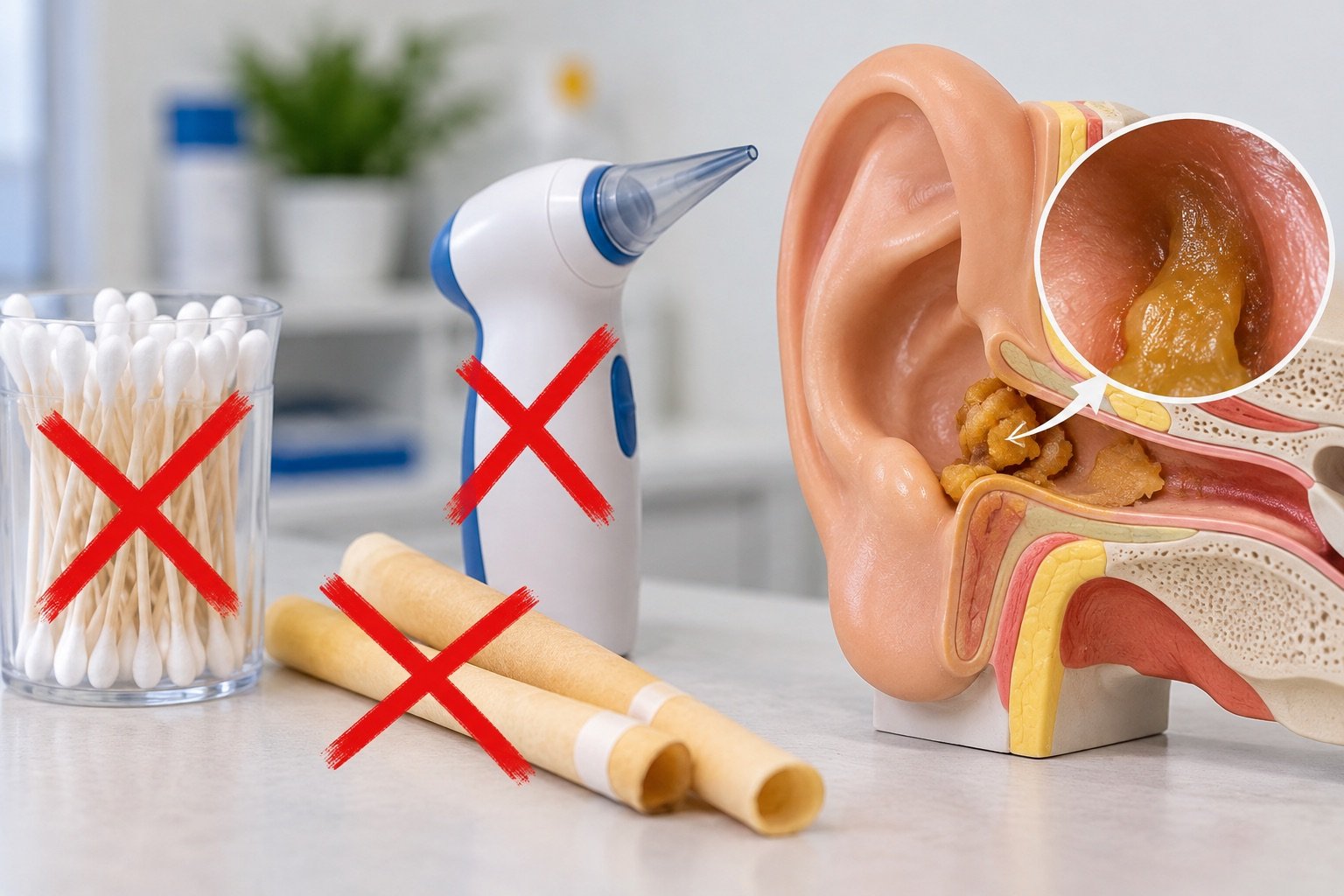
Cotton buds can push ear wax deeper, and there is no evidence that ear candles or home ear vacuums get rid of it. Here is what the HSE advises instead and when wax needs removing.
Simple habits at home, at the pool and in school that help stop warts and verrucas spreading, what the guidance says about swimming and PE, and when to see your GP.

Hearing aids can push ear wax further into the ear, so here is how to keep your aids clear, use softening drops the right way and know when to get your ears checked.